The Fascinating World of Creature Art
Art allows us to express our imagination. It bridges the gap between reality and fantasy. For many fans, the universe of pocket monsters provides endless inspiration. Engaging in a pokemon drawing session is more than just a hobby. It is a way to connect with a beloved franchise. Furthermore, it helps develop essential artistic skills. You might be a beginner holding a pencil for the first time. Alternatively, you might be an experienced artist looking for new subjects. This journey offers something for everyone. We will explore the fundamentals of art through the lens of these iconic creatures.
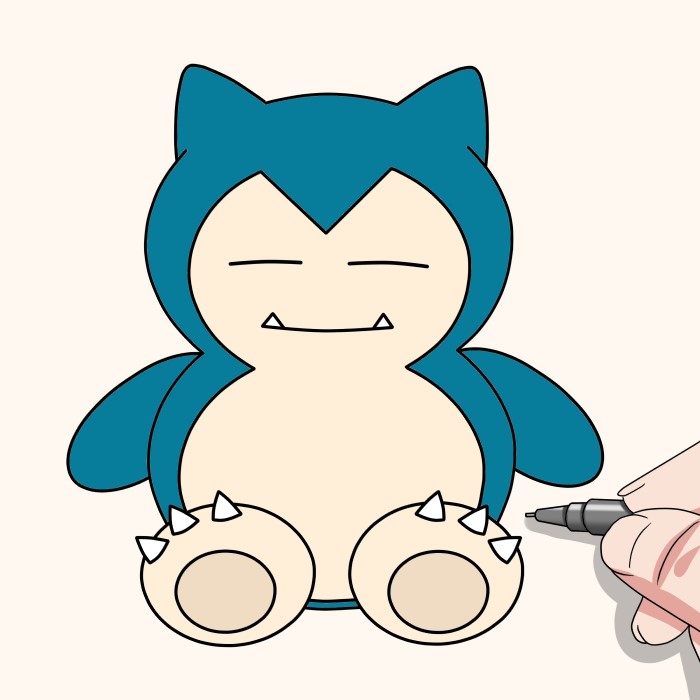
The popularity of these characters has not faded. It has grown steadily over decades. Therefore, learning to draw them connects you with a global community. You can share your work online. You can impress your friends. Moreover, the act of pokemon drawing improves focus. It reduces stress. It is a therapeutic activity for people of all ages. This article serves as a comprehensive guide. We will break down complex designs into manageable steps. Consequently, you will gain confidence in your abilities.
We must understand the basics before we proceed. Every great masterpiece starts with a simple line. The characters we love are built on geometric foundations. Recognizing these shapes is the first step to success. In the following sections, we will delve into specific techniques. We will discuss tools, proportions, and shading. You will learn how to capture the essence of each creature. So, grab your sketchbook. Prepare to unlock your creativity. The world of art is waiting for you. Let us embark on this artistic adventure together.
Understanding the Geometry Behind Character Design
Great art relies on strong foundations. Character design is no exception. When you look at a complex creature, you might feel overwhelmed. However, you can simplify it. Most characters are built from basic geometric shapes. Circles, squares, and triangles form the skeleton of the drawing. This technique is called “construction.” It is a fundamental skill for any artist.
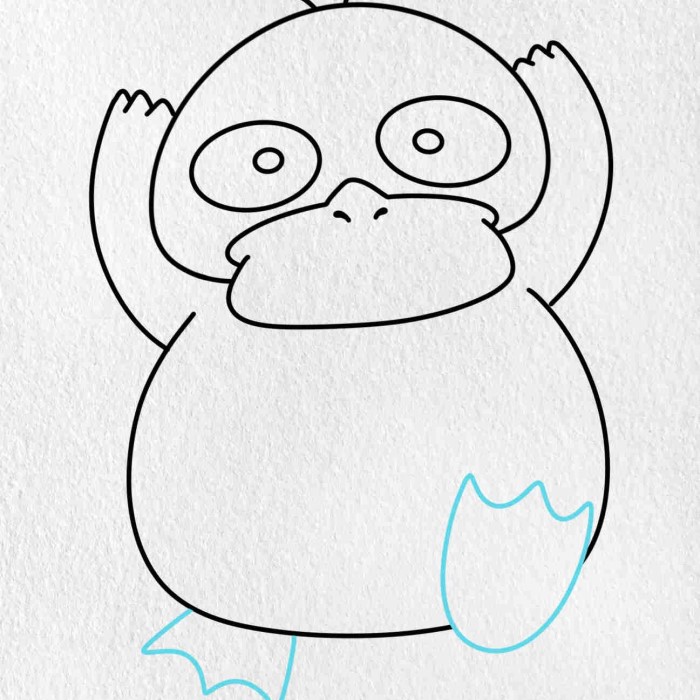
Let us consider the anatomy of a popular electric mouse. His head is a sphere. His body is an oval. These simple forms define his overall shape. Consequently, you should start every sketch with light, geometric lines. Do not worry about details yet. Focus on the placement and size of these primary shapes. This stage creates the structure. It ensures your character looks balanced. If the structure is wrong, the final pokemon drawing will look off.
Furthermore, this geometric approach aids in perspective. You can rotate a cube or a sphere in space. This allows you to draw the character from different angles. You can draw them flying, running, or sleeping. Therefore, mastering 3D shapes is crucial. It gives your drawings volume. It makes them pop off the page. Many beginners skip this step. They jump straight into outlines. This often leads to flat or distorted drawings.
In addition, consider the center lines. These imaginary lines help you place facial features symmetrically. They wrap around the geometric form. Consequently, you know exactly where to place the eyes and mouth. This adds stability to your sketch. Understanding geometry transforms your art. It changes it from a flat image into a three-dimensional object. So, practice drawing spheres and cubes daily. It is the secret to professional-looking art.
Essential Tools for Your Artistic Journey
An artist is only as good as their tools. You do not need expensive equipment to start. However, having the right materials makes the process smoother. There are two main categories of tools: traditional and digital. Each has its own advantages. Traditional tools include pencils, paper, and erasers. Digital tools include tablets and styluses. Choosing the right medium depends on your preference.
For traditional artists, a simple HB pencil is a great starting point. It creates medium-toned lines. You might also want a softer pencil, like a 2B or 4B. These create darker, richer lines. They are perfect for shading. Additionally, high-quality paper is important. Thin paper can tear easily. It might not hold up to erasing. Therefore, invest in a sturdy sketchbook. A kneaded eraser is also essential. It lifts graphite off the paper without damaging the surface. It can be molded into any shape. This allows for precise erasing.
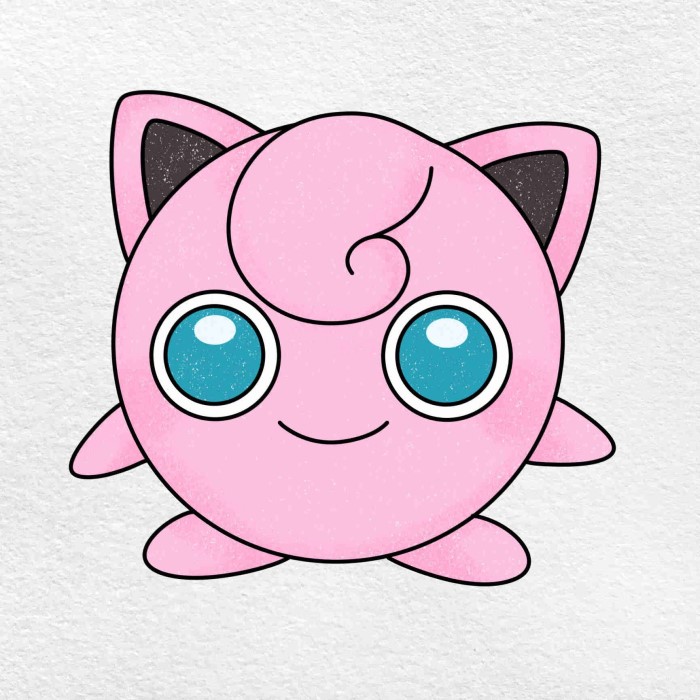
On the other hand, digital art offers flexibility. You have unlimited “undos.” This takes the pressure off making mistakes. Programs like Procreate or Photoshop offer various brushes. You can mimic traditional media. Or you can create entirely new textures. A pokemon drawing tablet connects to your computer. Alternatively, you can use a standalone tablet. Consequently, digital art is very portable. You can create art anywhere without carrying a bag of supplies.
Moreover, reference images are a crucial tool. You should collect pictures of the characters you want to draw. Studying these images helps you understand their design. You see how the official artists render specific details. Never trace these images directly. Instead, use them to learn. Observe the proportions. Understand the color palette. Thus, reference images act as your teacher. They guide you toward accuracy.
Mastering Proportions and Dynamic Poses
Proportions define the character’s identity. A cute character typically has a large head and small body. A tough character might have broad shoulders and a smaller head. These ratios communicate personality. Therefore, getting them right is critical. If you draw the head too small, the character might look like an adult rather than a child-like creature. You must measure carefully.
Start by mapping out the heights. How many “heads” tall is the character? For example, the famous yellow mouse is roughly two heads tall. The head takes up half of his total height. Consequently, you should draw a vertical line. Mark the halfway point. Then, draw the head in the top half. The body fits in the bottom half. This simple measurement ensures accuracy. It keeps your pokemon drawing consistent with the official design.
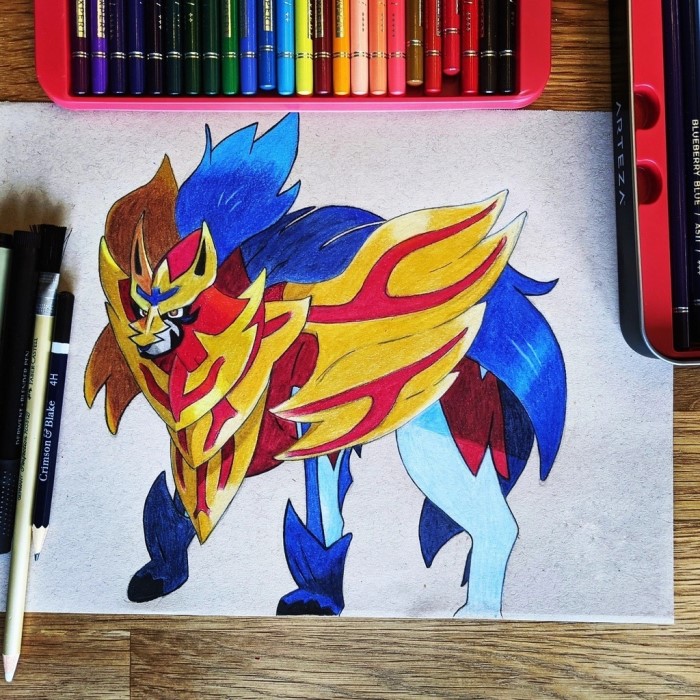
Furthermore, we must discuss dynamic poses. Standing straight is boring. Action makes art exciting. To create action, you need a “line of action.” This is an imaginary line that flows through the character’s body. It dictates the movement. For instance, a jumping character might have a curved line of action. This curve adds energy. Consequently, the pokemon drawing feels alive.
In addition, think about weight and balance. If a character is running, they lean forward. If they are punching, their weight shifts to one leg. Understanding physics adds realism. You can practice this by drawing stick figures in action. Do not worry about muscles or details yet. Just capture the movement. This is called “gesture drawing.” It trains your hand to be fluid. It prevents stiff drawings. Eventually, you will build the character’s volume on top of this gesture. This results in a lively, energetic illustration.
The Art of Inking and Line Weight
Once your sketch is complete, the next step is inking. Inking is the process of creating the final, permanent lines. It defines the drawing. It makes it crisp and clear. Many artists use fine-liner pens for this stage. Others use digital ink brushes. The goal is to create confident lines. Hesitant lines look scribbly. Therefore, practice drawing long, smooth strokes.
Line weight is a vital concept in inking. Not all lines should be the same thickness. Varying the thickness adds depth and interest. For example, the outline of the character is usually the thickest line. It separates the character from the background. Internal details, like fur texture, use thinner lines. Consequently, the drawing has hierarchy. It is easy to read.
Moreover, shadows affect line weight. The lines on the shadow side of the character are thicker. The lines on the light side are thinner. This creates an illusion of form without even shading. It is a subtle but powerful technique. You are essentially pokemon drawing the shadow within the line itself. Therefore, think about your light source before you ink.
In addition, be mindful of line breaks. Sometimes, leaving a small gap in a line can make the drawing feel lighter. It allows the white of the paper to breathe. This is often used where two shapes overlap. For instance, where an arm crosses the body. A thick, unbroken black line can flatten the image. Therefore, strategic breaks add volume. They suggest a connection between forms. Inking requires patience. Do not rush it. Let the ink dry before erasing your pencil sketch. This prevents smudging. Clean lines are the hallmark of a professional illustration.
Understanding Color Theory and Rendering
Color brings your character to life. The world of these creatures is vibrant and saturated. Understanding color theory helps you choose the right shades. Most characters have specific color palettes. For instance, the fire lizard is orange and red. The water turtle is blue and brown. Sticking to these colors makes the character recognizable. However, you can experiment with shading.
Shading gives the drawing volume. It turns a circle into a sphere. To shade correctly, you must determine the light source. Where is the light coming from? Is it from the top right? Is it from the front? Once you know this, you can add shadows. Shadows are always on the opposite side of the light source. Consequently, the rendering process becomes logical.
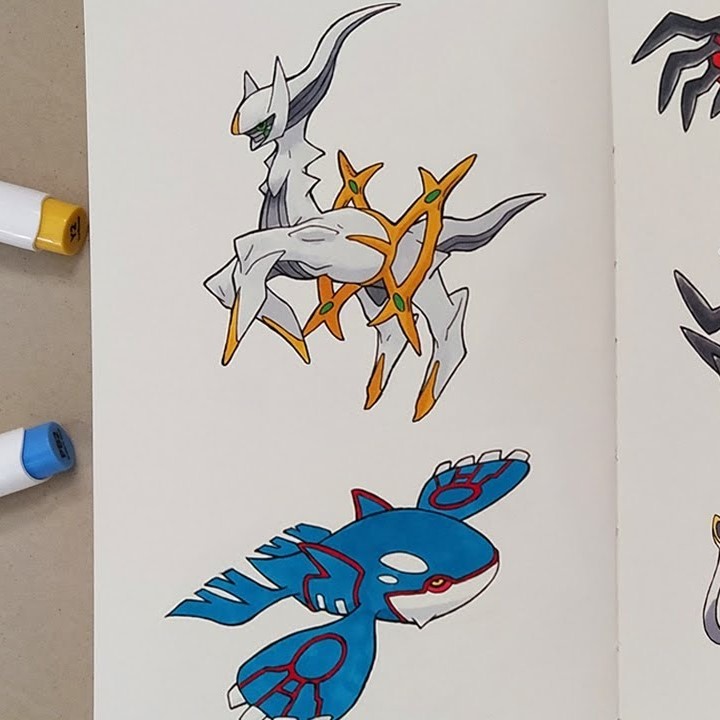
Furthermore, consider the temperature of colors. Warm colors advance. Cool colors recede. You can use warm colors for highlights and cool colors for shadows. This adds depth. For example, a green creature might have yellow-green highlights. It might have blue-green shadows. This contrast makes the colors pop. It looks more natural than just using light green and dark green.
In addition, think about texture. Your coloring technique should reflect this. Use short, directional strokes for fur. Use smooth gradients for scales. Digital artists often use texture brushes to achieve this effect. Traditional artists use blending techniques. Layering colors is also effective. Start with a base color. Then, add layers of shadow and highlight. This builds richness. Color is a playground. Do not be afraid to experiment. But always respect the light source.
Drawing Cute Chibi Variations
One popular style in the fan community is the “chibi” style. Chibi means “short” or “small” in Japanese. It refers to a style where the character is super deformed. The head is massive. The body is tiny. This style exaggerates the cuteness. It is very popular for stickers and emojis. Therefore, learning this style is fun and useful.
The proportions for chibi art are different. Usually, the character is one or two heads tall. The head is the dominant feature. The eyes are huge and low on the face. Consequently, the features are crowded together. This creates a child-like appearance. The body is often simplified. Hands and feet might be small nubs. Details are minimized. You focus on the silhouette.
Moreover, facial expressions are key in chibi art. The face is the center of emotion. Exaggerated expressions make the pokemon drawing funny or adorable. Large tears for crying. Puffed cheeks for anger. Sparkles for joy. Consequently, you should study facial anatomy. But push it to the extreme. Do not hold back. This is not the place for realism.
In addition, chibi art is forgiving. Because the body is so small, you do not need to worry about complex anatomy. The focus is on the shape of the head. You can draw almost any creature in this style. Try turning a fierce dragon into a cute chibi. It is a great exercise in simplification. You learn what features make the character unique. Then, you amplify them. This improves your design skills. It also produces very shareable artwork. Fans love seeing their favorite monsters in this adorable form.
Overcoming Creative Blocks and Finding Inspiration
Every artist faces a creative block. You sit down to draw, but your mind is blank. This is frustrating. However, it is normal. There are many strategies to overcome this hurdle. One method is to use random generators. There are websites that generate random creature names. You can try drawing that creature in a unique way. This forces you to think on your feet.
Another strategy is to change your environment. Go outside. Look at nature. Real animals are the inspiration for many designs. For instance, look at a squirrel. How would you turn it into a creature? What type would it be? Grass? Electric? Observing nature fuels your imagination. Consequently, you never run out of ideas. The world is full of textures, colors, and shapes.
Furthermore, participate in art challenges. Social media hosts events like “Inktober” or specific fan art weeks. These provide daily prompts. They give you a specific task. This removes the pressure of coming up with an idea. You just have to execute it. Additionally, seeing other artists’ interpretations of the same prompt is inspiring. It shows you different perspectives.
In addition, do not be afraid to copy the masters. We mentioned using reference images earlier. You can also do “master studies.” Pick an official artwork you admire. Try to replicate it exactly. Analyze their line weight. Study their color choices. This is not about stealing style. It is about understanding their process. You learn by osmosis. Over time, these lessons will integrate into your own unique style. Creativity is a muscle. You must exercise it regularly.
Conclusion
The journey of art is endless. There is always something new to learn. We have covered the basics of geometry and proportions. We explored inking, coloring, and chibi styles. You now have a roadmap for your artistic development. Remember that every expert was once a beginner. Patience is your greatest ally. Do not get discouraged by mistakes. They are part of the process.
Creating art is a rewarding experience. It allows you to express your passion. It connects you with a vibrant community. Whether you prefer traditional pencils or digital screens, the principles remain the same. Practice consistently. Analyze the designs you love. Most importantly, have fun with it. The world of creativity is vast. It is waiting for your unique contribution.
So, pick up your pencil today. Start with a simple circle. Add an ear. Draw a tail. Before you know it, you will have created something wonderful. Your skills will grow with every stroke. Embrace the challenge. Enjoy the process. We hope this guide has inspired you to start your next pokemon drawing project. Let your imagination run wild. Happy drawing!