Introduction to the World of Kazoos
The kazoo is often seen as a simple toy. However, it holds a special place in music history. It is accessible to everyone. You do not need years of practice. Furthermore, you do not need to read music. The barrier to entry is incredibly low. This makes it a perfect instrument for children and adults alike. Many people underestimate the kazoo. They think it is just a noisemaker. Conversely, it is a legitimate membrane flute. It adds a unique buzzing texture to any song. Learning how to play a kazoo opens up a world of fun. It allows you to engage with music instantly. Moreover, it is incredibly affordable. You can find one at almost any toy store.
Consequently, it is an ideal starting point for aspiring musicians. The sound is distinctive. It is recognizable immediately. Therefore, understanding this instrument is the first step. We will explore its mechanics and history. Then, we will dive into the playing techniques. Get ready to make some noise.
The Fascinating History of the Kazoo
To appreciate the instrument, we must look back. The kazoo has a rich history. It originated in the United States. Specifically, it dates back to the 19th century. An African American man named Alabama Vest is often credited with the concept. He collaborated with a German clockmaker named Thaddeus Von Clegg. Together, they created the “Down South Submarine.” This was the precursor to the modern kazoo. Furthermore, the instrument was popularized at the Georgia State Fair in the 1850s. It quickly became a sensation.
Consequently, mass production began in the early 20th century. The Original American Kazoo Company was founded in 1916. They are still in business today. Therefore, the kazoo is a piece of Americana. It has been used in jug bands and skiffle groups. Even classical composers have written parts for the kazoo. It is not just a toy. It is a cultural artifact. Thus, when you pick one up, you hold a piece of history.
The Science Behind the Buzz
How to play a kazoo? How does this small device create such a big sound? The answer lies in physics. Specifically, it involves vibrating membranes. Unlike a flute or recorder, you do not blow into a kazoo. Instead, your voice creates the energy. The kazoo is a membrane flute. It has a small opening. This opening is covered by a membrane. Traditionally, this was animal skin or paper. Today, it is usually plastic. When you hum into the instrument, the sound waves hit the membrane. Consequently, the membrane vibrates. This vibration changes the quality of your voice.
It adds a buzzing timbre. This is known as a “nasal” tone. Furthermore, the pitch is determined by your voice. The instrument itself does not change the pitch. It only changes the tone color. Therefore, the player is the instrument. The kazoo simply amplifies and modifies the sound. Understanding this distinction is crucial. It explains why you must hum, not blow. Thus, the science is simple yet fascinating.

Choosing the Right Kazoo for You
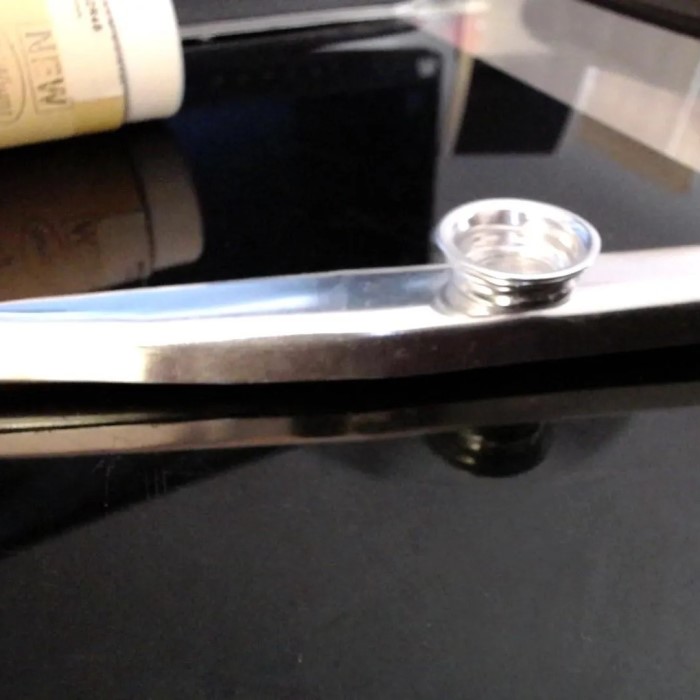
How to play a kazoo? Not all kazoos are created equal. There are several types available. The most common material is plastic. Plastic kazoos are durable and cheap. They are excellent for beginners and children. Moreover, they are often waterproof. This makes them easy to clean. However, there are also metal kazoos. Metal kazoos are generally more robust. They often produce a brighter, sharper sound. Consequently, many professional musicians prefer metal. Additionally, there are wooden kazoos. These offer a warmer, mellower tone.
They are less common but very beautiful. Another consideration is the membrane. Some kazoos have fixed membranes. Others allow you to change the paper. This is useful for maintenance. Therefore, you should consider your needs. If you are buying for a classroom, plastic is best. If you want a collector’s item, look for wood or metal. The size also matters. Standard kazoos are the most popular. But there are also trumpet kazoos. These have a flared bell. They look like miniature trumpets. They produce a louder sound. Thus, choose wisely based on your preferences.
How to Play a Kazoo: The 5 Easy Steps
Now, we arrive at the core of the lesson. Here is your guide on how to play a kazoo.
- Step 1: Hum, Do Not Blow. This is the most common mistake. Beginners often blow air into the hole. This produces no sound. Instead, you must use your vocal cords. Try saying “do” or “too” or “buzz.” You need a steady stream of sound.
- Step 2: Position the Instrument. Place the kazoo gently in your mouth. Do not bite it. Your lips should seal around the large end. The small end should point away from you.
- Step 3: Find the Membrane. Locate the small hole on the top or side. This is where the magic happens. Make sure your fingers or lips do not cover this hole completely.
- Step 4: Experiment with Sound. Start humming a simple tune. “Mary Had a Little Lamb” is a good choice. You will hear the buzzing sound start to emerge. If it does not work, try changing your pitch. Higher pitches often vibrate the membrane more easily.
- Step 5: Articulate Clearly. Use your tongue to separate notes. Say “tu” or “du” to create distinct sounds. This makes the melody clear. Consequently, your playing will sound musical, not just noisy. Practice these steps slowly. Soon, it will become second nature.
Advanced Techniques for Better Sound
Once you master the basics, you can improve. There are ways to enhance your performance. First, consider your breath control. You need consistent air pressure. Furthermore, you need to manage your saliva. Too much moisture can clog the membrane. Therefore, swallow often and play with a dry mouth. Another technique involves vowel sounds. The shape of your mouth changes the tone. Try saying “Ah” while playing. Then, try saying “Oo.” You will hear a difference. Consequently, you can manipulate the tone to match the song’s mood.
Additionally, you can try “kazoo beatboxing.” This involves humming a bass line and rhythm simultaneously. It creates a complex, layered sound. Moreover, you can cover and uncover the sound hole rapidly. This creates a “wah-wah” effect. It sounds like a muted trumpet. These techniques add variety. They transform the kazoo from a toy into a musical tool. Therefore, experiment freely. Find your unique style. The possibilities are surprisingly vast.

Maintenance and Care for Your Instrument
Taking care of your kazoo is essential. It ensures longevity. Furthermore, it ensures sanitary conditions. The membrane is the most delicate part. It can wear out over time. In plastic kazoos, the membrane is often permanent. If it breaks, you might need a new kazoo. However, some higher-end models allow replacement. You can use wax paper or plastic wrap. Cut a small square and replace the old one. Additionally, cleaning is vital. You introduce moisture every time you play. This moisture can harbor bacteria.
Therefore, you should clean your kazoo regularly. For plastic models, warm soapy water works well. Let it air dry completely. Do not use boiling water. It might melt the plastic. For metal kazoos, you can take them apart. This allows for a more thorough cleaning. Moreover, store your kazoo in a dry place. Do not leave it in a hot car. Heat can warp the plastic or affect the membrane. Consequently, a little care goes a long way. Treat it with respect. It will provide years of enjoyment.
The Social Benefits of Playing the Kazoo
Music brings people together. The kazoo is particularly good at this. It is an inherently social instrument. It is non-intimidating. Therefore, it breaks the ice at parties. You can form a kazoo band. Everyone can participate. There is no steep learning curve. Consequently, it fosters inclusivity. Children who struggle with complex instruments often shine with the kazoo. It builds confidence. They can play a melody quickly.
Furthermore, it teaches rhythm and pitch. It is an educational tool disguised as fun. Moreover, playing in a group improves listening skills. You must stay in time with others. You must also blend your volume. This teaches teamwork. Thus, the kazoo is more than a solo activity. It is a community builder. It encourages laughter and collaboration. In a world of screens, this is valuable. It connects us in real-time. So, share your new skill. Teach a friend. Spread the joy of music.
Frequently Asked Questions About Kazoos
Beginners often have specific questions. Here are answers to the most common queries.
Are you supposed to hum into a kazoo?
Yes, absolutely. This is the most important rule. You must hum to make a sound. Blowing air will not work. The sound waves from your voice vibrate the membrane. Consequently, the kazoo produces its characteristic buzzing noise. Try humming a tune you know well.
Is the kazoo hard to learn?
No, it is one of the easiest instruments. You can learn the basics in minutes. However, mastering advanced techniques takes practice. You need breath control and clear articulation. Therefore, it is easy to start but offers depth for improvement. Anyone can do it.
Which end of the kazoo do you hum into?
You hum into the large, round end. This is the mouthpiece. The small, pointed end is where the sound comes out. Furthermore, ensure the small hole on the side or top is exposed. This is the membrane hole. Covering it will silence the instrument.
Can anyone play kazoo?
Almost anyone can play. It is also great for seniors. However, it does require vocalization. Therefore, you must be able to hum. People with severe speech impairments might find it challenging. But for the vast majority, it is an accessible joy.
Conclusion: Your Musical Journey Begins
We have explored the history and science. We have discussed types and techniques. Now, you know how to play a kazoo. This small instrument offers big fun. It is a gateway into the world of music. Whether you are a parent, a teacher, or a hobbyist, the kazoo has something to offer. It is affordable, durable, and easy to learn. Furthermore, it encourages creativity. You can experiment with different sounds and songs.

The steps are simple. Hum, position, and play. But the enjoyment is endless. Therefore, pick up your kazoo today. Start practicing. You will soon be buzzing along to your favorite tunes. Remember, music does not always have to be serious. Sometimes, it is just about having a good time. The kazoo perfectly captures that spirit. Enjoy your new musical adventure.