The art of folding paper airplanes has evolved significantly over the years. What was once a simple childhood pastime has now become a precise science. Enthusiasts around the world continually search for the perfect design. They want speed, distance, and stability. Consequently, the quest for the fastest paper airplane has led to incredible innovations in paper engineering. We are now in 2026, and the standards have risen. New folding techniques challenge our understanding of aerodynamics.
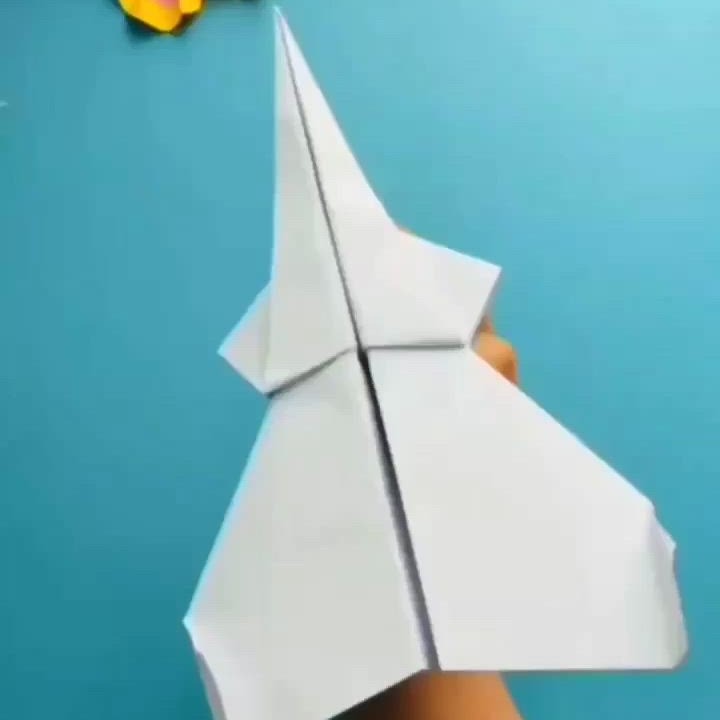
Furthermore, the materials used today are far more advanced than standard notebook paper. This guide explores the cutting-edge designs that dominate the skies. We will delve into the principles of flight. You will learn how to tweak your folds for maximum velocity. Additionally, we will look at the common mistakes that slow down your aircraft. Whether you are a beginner or a seasoned folder, there is something new to learn. So, grab your paper and prepare for takeoff. The sky is no longer the limit; it is your runway.
The Science of Aerodynamics
Understanding aerodynamics is crucial for creating speed. A plane does not fly by magic; it flies by physics. Four main forces act on an aircraft in flight. These are lift, weight, thrust, and drag. To build the fastest paper airplane, you must manage these forces perfectly. Firstly, let us consider drag. Drag is the resistance of the air against the plane. Speed demands a reduction in drag. Therefore, sleek and pointed designs are essential. A bulky nose creates too much resistance. Consequently, the plane slows down rapidly after launch.
- Lift: This force keeps the plane in the air. It is generated by the wings. However, for speed, lift must be balanced. Too much lift creates drag. Too little lift causes a crash.
- Thrust: This is the forward force. In your case, your arm provides the thrust. A strong launch requires a strong structure. The plane must be rigid enough to handle the force.
- Gravity: This pulls the plane down. You can counter gravity with speed. Therefore, the plane must maintain momentum.
Moreover, the center of gravity is a vital concept. The plane needs a heavy nose to cut through the wind. If the tail is too heavy, the plane will backflip. Therefore, folding the nose over multiple times adds weight. This weight stabilizes the flight path. Additionally, the dihedral angle is important. This is the angle between the wings and the body. An upward “V” shape provides stability. However, a flatter profile often increases speed. You must find the perfect balance. Consequently, a scientific approach yields the best results. Every fold changes the aerodynamic profile. Understanding this makes you a better engineer. You are not just folding paper; you are shaping the air.
Essential Folding Techniques
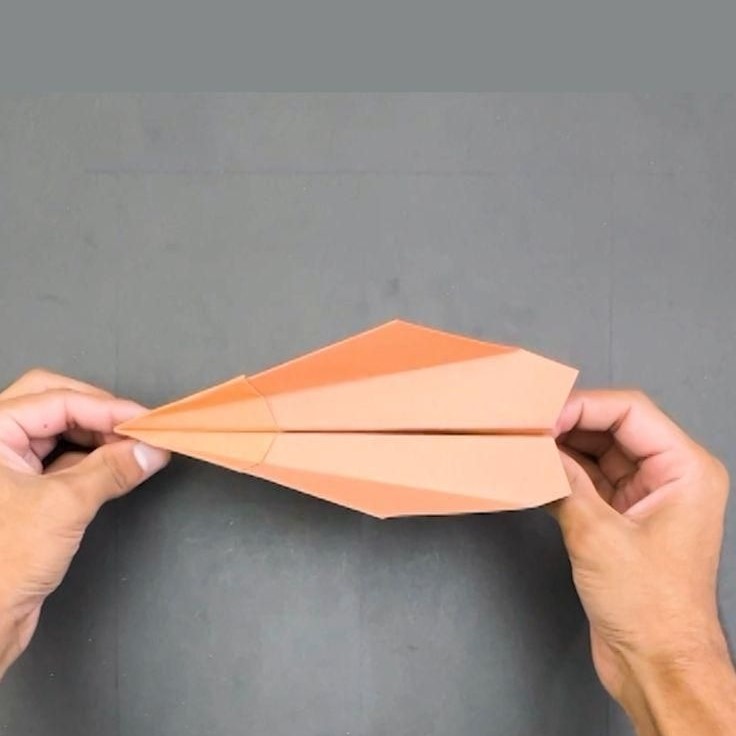
Precision is the secret to speed. A sloppy fold will result in a sloppy flight. Therefore, you must be meticulous with every crease. Accuracy is not just about aesthetics; it is about performance. Start with a flat surface. A table or a hard floor works best. You need to press down hard on each fold. Use your fingernail or a ruler to make the creases sharp. Sharp creases reduce air resistance. Consequently, the air flows smoothly over the wings.
- Symmetry: The left and right sides must be identical. If they are not, the plane will veer off course. This results in a loss of speed. Therefore, take your time to align the edges perfectly.
- The Center Line: Always start by folding the paper in half lengthwise. This creates a reference line. Unfold it and use it as a guide for subsequent folds. It ensures everything stays centered.
- The Lock: Some advanced designs use lock folds. These secure the wings to the body. This prevents the plane from unfolding during a high-speed launch. It adds structural integrity.
Furthermore, do not rush the process. Speed in folding does not equal speed in flying. Patience is a virtue here. Check your work after every step. If a corner is misaligned, unfold it and do it again. Consequently, your dedication will show in the air. A well-folded plane looks crisp and professional. Moreover, the paper memory is important. Once a crease is made, the paper remembers it. Therefore, make sure the memory is a good one. Bad creases cannot be undone completely. Sometimes, it is better to start over with a fresh sheet. This discipline separates the amateurs from the pros. The fastest paper airplane is always the result of careful craftsmanship.
The Dart: A Classic Speed Demon
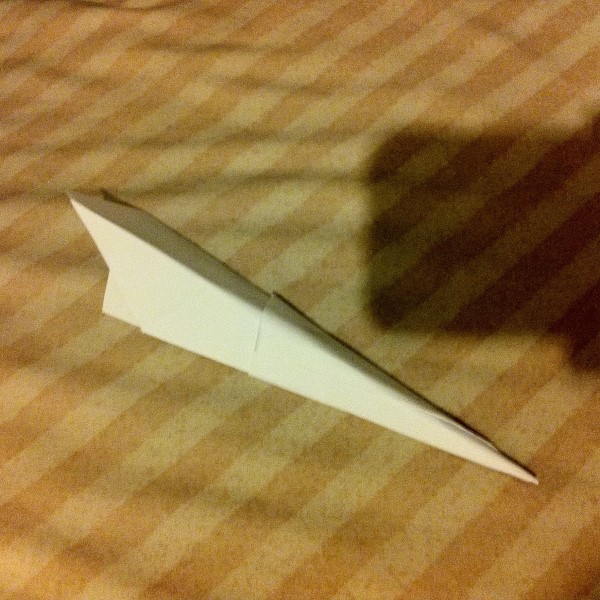
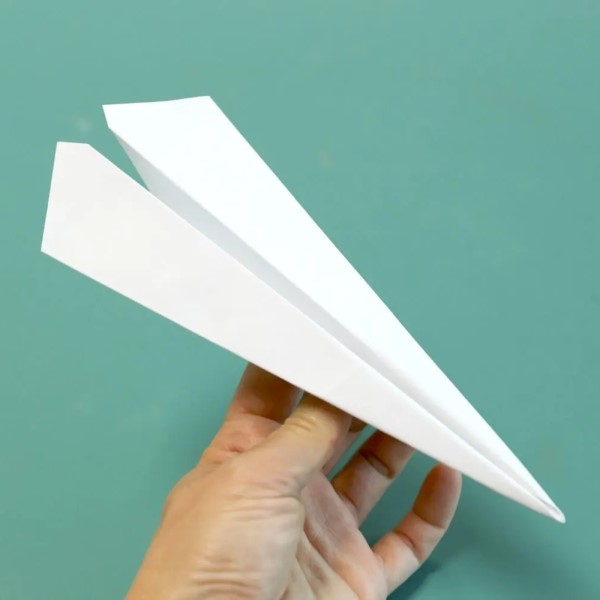
When people think of speed, they often picture the Dart. This is the quintessential fast paper plane. It is known for its sharp nose and long body. The design prioritizes thrust over lift. Therefore, it cuts through the air like a missile. It is one of the easiest planes to fold. However, simple does not mean ineffective. To begin, fold the paper in half lengthwise. Then, fold the top corners to the center line. You have created a triangle top. Next, fold the triangle top down. The point should meet the bottom edge of the paper.
- Reinforcing the Nose: Fold the top corners to the center again. This creates a super sharp point. It also adds layers of paper to the front. This weight is crucial for forward momentum.
- The Body: Fold the plane in half along the original center line. This locks the wings together.
- The Wings: Fold the wings down. Make them align with the bottom edge of the body. The wings should be narrow. This reduces drag significantly.
Furthermore, the Dart is very versatile. You can adjust the wings slightly upwards. This helps it glide after the initial thrust. However, for pure speed, keep the wings flat. It is designed for a straight, fast trajectory. Consequently, it is perfect for outdoor flying. The wind has less effect on its narrow profile. Additionally, it handles a strong throw very well. The rigid body prevents it from fluttering. This design has stood the test of time. It remains a favorite among enthusiasts. In 2026, it is still a top contender. It proves that complexity is not required for performance. The Dart is a testament to pure, unadulterated speed.
The Nakamura Lock: Stability Meets Speed
While the Dart is fast, it lacks stability in wind. Enter the Nakamura Lock. This design is a perfect hybrid. It offers the speed of a dart with the glide of a glider. Consequently, it is often cited as one of the best all-around paper planes. The “lock” in the name refers to a clever fold. It secures the wings in place. This prevents the plane from opening up mid-flight. To start, fold the top corner to the opposite edge. Then unfold and repeat on the other side. This creates an “X” crease.
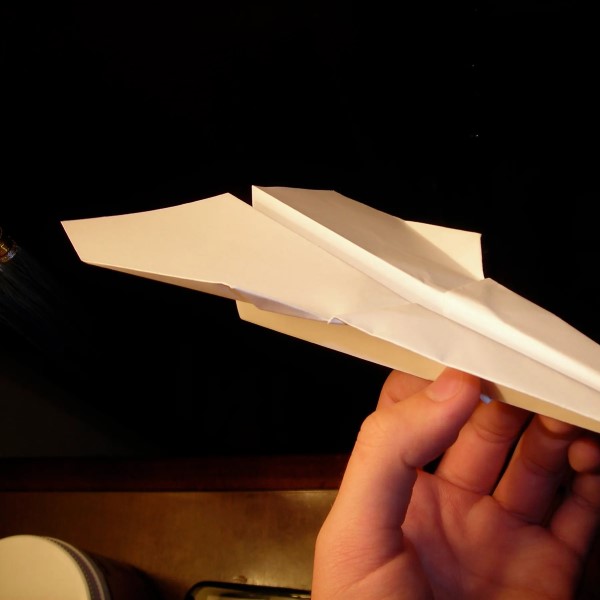
- The Lock Mechanism: Fold the top down along the horizontal part of the “X”. Then, fold the top corners to the center. This looks similar to the Dart start. However, you then fold the pointed top down. It locks the flaps in place.
- Wing Area: The Nakamura Lock has wider wings than the Dart. This provides more lift. Therefore, it stays in the air longer. It combines speed with distance.
- Adjustments: You can fold the winglets up at the ends. These vertical stabilizers reduce wobble. They keep the flight path straight.
Furthermore, this design is exceptionally resilient. It handles wind gusts better than most. Therefore, it is a great choice for distance competitions. The heavy nose and locked wings create a stable platform. You can throw it as hard as you want. It will not fold under the pressure. Consequently, it is a favorite for beginners and experts alike. It teaches the importance of structural integrity. The locking fold is a game-changer. It uses the paper’s own tension to hold its shape. This is a sophisticated concept in origami. In the world of the fastest paper airplane, the Nakamura Lock is a legend.
The Suzanne: The Record Breaker
If you want to talk about records, you must mention the Suzanne. This plane was designed by John Collins, also known as “The Paper Airplane Guy.” It holds the world record for distance. While distance is the goal, speed is a requirement. The Suzanne uses a complex folding pattern. It maximizes the potential energy of the throw. Consequently, it converts speed into distance efficiently. The design features a rectangular body with wings that taper. It looks more like a glider than a dart. However, do not let the looks fool you.
- Construction: The Suzanne requires precise folding. It uses folds that lock the entire structure. There is no excess paper. Every part serves a purpose.
- Aerodynamics: The wings have a slight curve. This mimics the airfoil of a real aircraft. It generates lift even at high speeds. Therefore, it does not lose altitude quickly.
- Launch: This plane requires a specific throw. It needs a high angle of attack. You throw it upward, and it glides for a long time. The initial launch speed is immense.
Furthermore, the Suzanne revolutionized paper aviation. It showed that paper planes are serious engineering. The design takes time to master. You might need several attempts to fold it correctly. However, the reward is a plane that flies like magic. It stays in the air for what seems like forever. Additionally, the design allows for fine-tuning. You can adjust the trailing edges of the wings. This controls the pitch and roll. Consequently, you can dial in the perfect flight path. In 2026, the Suzanne remains the gold standard. It is the benchmark for all high-performance paper aircraft. It represents the pinnacle of folding technology.
Advanced Launching Strategies
A perfect plane is useless without a good throw. You must learn how to generate power. The throw is just as important as the fold. Different planes require different launch styles. For a dart, you need a straight, fast throw. Imagine you are throwing a spear. You step forward and extend your arm fully. The release point is critical. Releasing too early or too late changes the trajectory. Therefore, practice your timing. For a glider like the Suzanne, the throw is different. You need more height. You throw it upwards at a 45-degree angle.
- The Fastball: Use this for the Dart. Grip the plane by the thickest part of the body. Throw with maximum force. Keep the arm straight. This minimizes spin.
- The Sky Throw: Use this for gliders. Run a few steps to generate momentum. Then, release the plane upward. The plane catches the air and glides.
- The Straight Edge: Ensure your wrist is straight. A bent wrist adds unwanted rotation. This rotation kills speed. Therefore, keep your motion fluid and linear.
Furthermore, consider the environment. Wind plays a huge role. Flying against the wind can create lift. However, it also creates drag. Flying with the wind increases ground speed. Therefore, choose your direction wisely. In 2026, indoor facilities for paper plane contests are common. They eliminate wind variables. Consequently, you can focus purely on technique. Your body mechanics matter. Use your legs and torso. Do not just use your arm. A full-body motion generates more power. This transfers energy into the plane. The fastest paper airplane needs a pilot who knows how to fly it. Mastering the launch is half the battle.
Materials and Paper Selection
Paper is not just paper. The type of paper you use changes everything. Standard A4 or letter paper is 80 gsm (grams per square meter). This is fine for general flying. However, for speed, you might want something different. Heavier paper, like 100 gsm, adds weight. This increases momentum. Therefore, the plane flies faster. But it also falls faster. Conversely, lighter paper, like 60 gsm, floats better. However, it cannot handle a hard throw. The paper will buckle.
- Cardstock: This is thick paper. It is great for darts. It provides a very rigid structure. However, it is hard to fold. You need strong hands to make sharp creases.
- Construction Paper: Avoid this. It is too rough. The texture creates drag. It also absorbs moisture from the air. This makes the plane heavy and unbalanced.
- Smoothness: Choose paper with a smooth finish. Smooth paper reduces friction. Consequently, air flows over it faster. Glossy paper works well but can be slippery to hold.
Furthermore, paper size matters. The standard rectangle is ideal for most designs. However, some designs work better with squares. You can also trim the paper. Some advanced folders cut their paper to custom sizes. They might make the paper narrower. This creates a thinner wing profile. Consequently, drag is reduced. Experiment with different types of paper. See what works best for your design. The interaction between weight and lift is delicate. Finding the right paper is like finding the right fuel. It unlocks the true potential of the design. In the pursuit of speed, every gram counts.
The Future of Paper Aviation
As we look forward, technology continues to merge with tradition. We are seeing bio-papers that are stronger and lighter. We are also seeing 3D printed templates that help with folding. However, the essence remains the same. It is about the joy of flight. The community is growing. Competitions are becoming more sophisticated. There are now categories for acrobatics and target landing. Yet, the need for speed remains the most popular category. People will always want to push the limits. They want to break records.
- Smart Paper: Imagine paper with embedded sensors. It could measure speed and distance. This data could help engineers refine designs. It is not as far-fetched as it sounds.
- Aerodynamic Studies: Universities are studying paper planes. They use wind tunnels and simulation software. This research helps us understand low-speed aerodynamics. The findings are applied to drones and UAVs.
- Community: The internet allows knowledge to spread fast. A new design can go viral in hours. This accelerates innovation. Consequently, designs are improving rapidly.
Therefore, the future is bright for paper aviators. The fastest paper airplane of tomorrow might look very different. But the principles of physics will remain constant. The thrill of seeing your creation soar never gets old.
FAQ: Your Questions Answered
What type of paper airplane flies the fastest?
The Dart is generally considered the fastest design. Its pointed nose and narrow body minimize drag. It cuts through the air efficiently. Therefore, it achieves the highest speeds over short distances.
How to make a world’s fastest paper airplane?
To make a world-class plane, use the “Suzanne” design. Focus on precision. Make sure every crease is sharp. Use a heavy paper stock for the nose. Furthermore, perfect your throwing technique. This combination creates record-breaking speed.
What is the Guinness world record for the fastest paper airplane?
The record for distance is often associated with speed. Joe Ayoob threw a plane designed by John Collins 69.14 meters. While there is a specific speed record, distance records often involve immense initial velocity. Therefore, these designs are the fastest gliders.
What paper airplane will fly the furthest?
The Suzanne is the record-holder for distance. It balances speed and lift perfectly. It uses a locking fold to maintain shape. Consequently, it glides long distances after the initial high-speed launch.
Conclusion
In conclusion, the world of paper aviation is exciting and dynamic. We have explored the science behind flight. We have looked at various designs, from the simple Dart to the complex Suzanne. Creating the fastest paper airplane requires patience, precision, and practice. Furthermore, choosing the right materials is vital. As technology advances, so do our opportunities to innovate. However, the core principles remain the same. Whether you are competing for a world record or just having fun with friends, the joy of flight is universal. We hope this guide inspires you to pick up a sheet of paper. Try these designs. Tweak them. Test them. You might just discover the next great innovation in flight. Happy flying!