Understanding the Modern Flea Challenge in 2026
Homeowners in 2026 face evolving challenges regarding household pests. Fleas remain a persistent nuisance for families with pets. These tiny insects cause itchy bites and potential health risks. Therefore, controlling them is a top priority for many. Modern technology offers various solutions for this age-old problem. Among these solutions, flea traps stand out as a non-toxic method. They provide a safe alternative to chemical sprays. Many pet owners worry about pesticides in their living spaces. Consequently, traps have become increasingly popular in recent years. You might wonder how these devices fit into a comprehensive pest control plan.
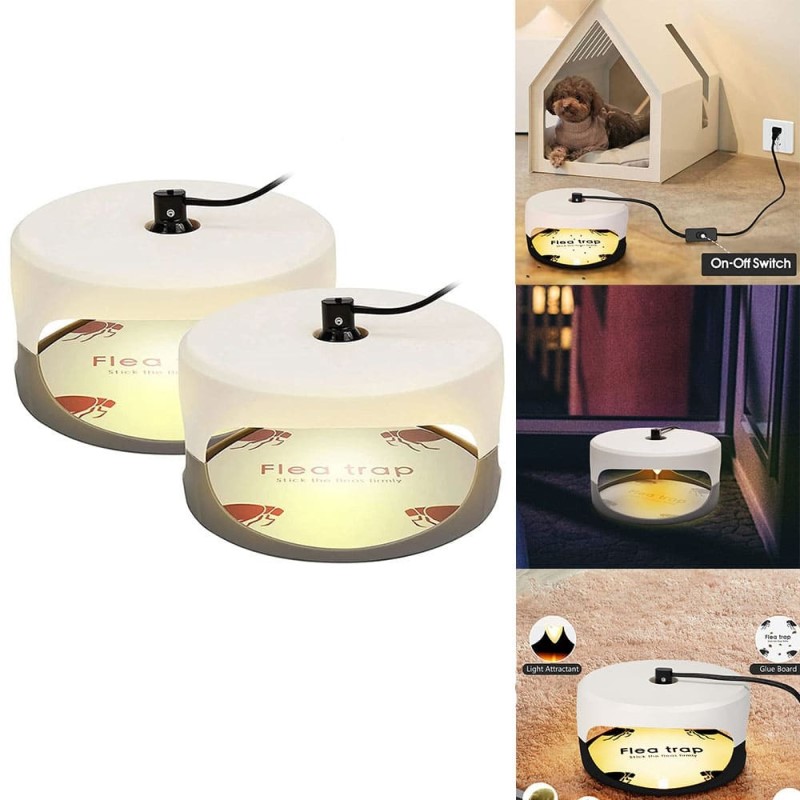
They serve as both a monitoring tool and a control method. Understanding their role is crucial for success. In addition, the rise of smart home technology has influenced pest control devices. Newer models feature improved efficiency and safer designs. However, the basic principle remains simple and effective. You must know your enemy to defeat them. Fleas are resilient creatures with a complex life cycle. A single trap cannot solve a massive infestation overnight. Instead, it is a vital part of a larger strategy. This article explores the science and strategy behind these devices. We will help you reclaim your home from unwanted guests. So, let us explore the essentials of modern flea control.
The Science Behind How Flea Traps Work
To use a trap effectively, you must understand its mechanism. Fleas are small, wingless insects that feed on blood. They locate their hosts through specific signals. The most effective traps exploit these natural behaviors. Primarily, they use light and heat to mimic a host animal. Fleas instinctively jump towards warmth and light. Therefore, the trap acts as a decoy. It tricks the flea into jumping into a sticky pad or a water bath. This method relies on the flea’s poor decision-making. When a flea senses potential food, it leaps without hesitation.
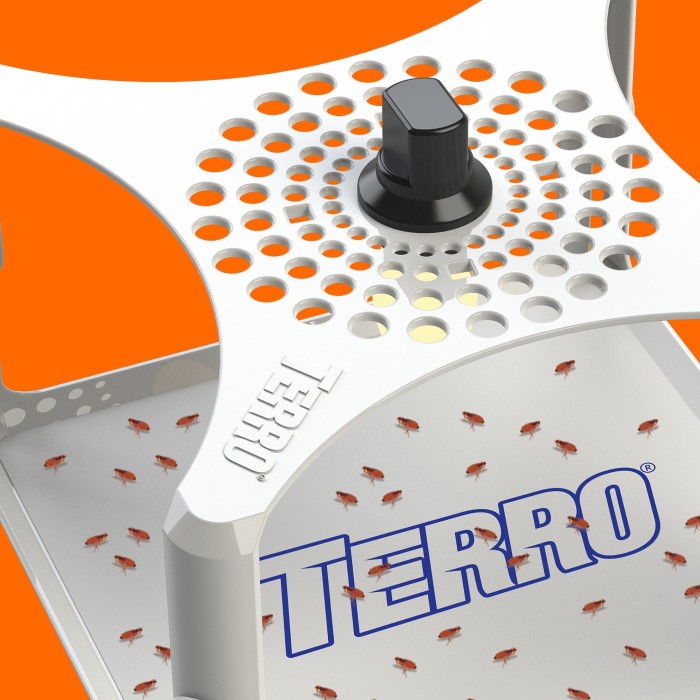
Consequently, the trap captures the flea before it finds your pet. Furthermore, many devices use a specific color of light. Green or yellow light seems to attract fleas more effectively. This is due to the way flea eyes perceive color. In contrast, red light is less effective. Some advanced models use a pulsating light. This mimics the movement of a breathing animal. The variation in signal strength increases the catch rate. Therefore, science drives the design of these tools. You are not just buying a gadget; you are using biological weaknesses against the pest. This knowledge empowers you to place the trap correctly. You will understand why location matters so much. Ultimately, a scientific approach yields better results than random placement.
Different Types of Traps Available Today
The market offers several distinct types of traps. Each type has its own advantages and disadvantages. The most common type is the electric flea trap. This device uses a light bulb and a sticky pad. You plug it into a wall outlet. The heat from the bulb attracts the fleas. They jump onto the sticky glue board below. Consequently, they cannot escape. This type is reusable and easy to maintain. You simply replace the glue board when it is full. Another option is the non-electric sticky trap. These often use a tea light candle or a small chemical heat source. However, they are generally less effective than electric models. In addition, there are water-based traps.
These are often favored by DIY enthusiasts. You create them using a bowl of water and a light source. The flea jumps towards the light and falls into the water. Dish soap in the water breaks the surface tension. As a result, the flea drowns. Each type suits different needs and budgets. Electric traps are more expensive upfront. However, they offer consistent performance. Sticky pads need regular replacement. Therefore, you should consider the long-term cost. Selecting the right trap is the first step towards a flea-free home. You should choose based on the severity of your infestation.
Strategic Placement for Maximum Efficiency
A trap is only as good as its location. You cannot simply place it anywhere and expect results. Fleas prefer humid, warm, and shaded areas. They avoid direct sunlight. Therefore, you should place your traps in areas where pets sleep. Carpets and rugs are prime habitats for flea larvae. Place the trap near these spots. However, do not hide it completely. The light must be visible to attract the pests. Furthermore, fleas cannot jump very high. They usually jump a few inches vertically. So, place the trap low to the ground. Ideally, the trap entrance should be at ground level. Raising the trap too high makes it ineffective. In addition, consider the traffic in your home.
Do not place traps where people frequently walk. They might get kicked or stepped on. Instead, choose corners and under furniture. These spots are dark and undisturbed. Consequently, fleas feel safe there. You can also move the trap every few days. This helps you locate the “hot spots” in your home. If one trap catches many fleas, keep it there. If it catches nothing, try a new spot. Strategic placement maximizes the effectiveness of your flea traps.
Integrating Traps with Other Control Methods
Flea traps are an excellent monitoring tool. However, they rarely solve a full-blown infestation alone. You must integrate them into a broader strategy. Vacuuming is perhaps the most critical companion activity. Vacuuming removes adult fleas, larvae, and eggs from carpets. It also stimulates pupae to emerge. Once they emerge, they are vulnerable to the trap. Therefore, vacuuming and trapping work hand in hand. You should also treat your pets directly. Consult a veterinarian for the best topical or oral medication. These treatments kill fleas on the animal. As a result, the animal stops bringing new fleas into the home. Furthermore, you might consider insect growth regulators (IGRs). These chemicals prevent flea larvae from maturing into adults.
They are safe for humans but devastating for the flea life cycle. You can spray IGRs in cracks and crevices. The trap will catch the adults, while the IGR stops the next generation. This multi-pronged approach is the most effective way to proceed. Relying solely on traps leads to frustration. You might catch dozens of fleas, but hundreds more remain hidden. Therefore, think of the trap as a surveillance camera. It tells you if the population is dropping or rising. Use it to gauge the success of your overall campaign.
Safety Considerations for Families and Pets
Safety is a major concern for any pest control method. Chemical sprays can leave residues on floors. Children and pets play on these floors. Thus, many people prefer mechanical traps. Flea traps are generally very safe. They do not release toxic fumes. However, there are still some safety rules to follow. Electric traps generate heat. Some models get quite warm to the touch. Therefore, keep them away from flammable materials. Do not place them near curtains or piles of paper. Additionally, the sticky pads are messy if touched. Keep them out of reach of curious toddlers.
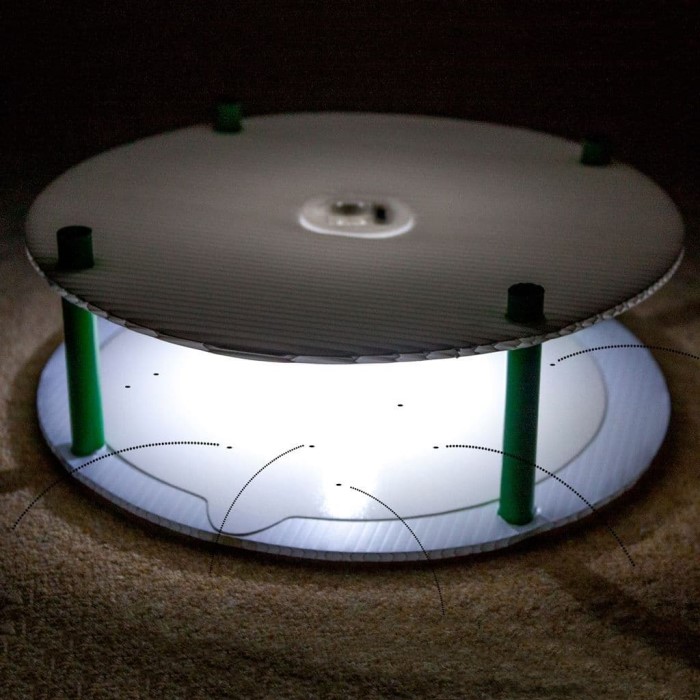
If a pet steps on a sticky pad, it can be difficult to clean. You might need a bit of vegetable oil to remove the glue. Consequently, place the trap inside a protective cage or under furniture. Water traps pose a drowning risk for small pets. A cat might try to drink the soapy water. This can cause stomach upset. So, monitor your pets around any new device. Always read the manufacturer’s instructions carefully. They provide specific safety warnings for that model. By following these guidelines, you ensure a safe environment. You can control pests without compromising your family’s health. Peace of mind is essential during a stressful infestation.
Step-by-Step Guide to Homemade Solutions
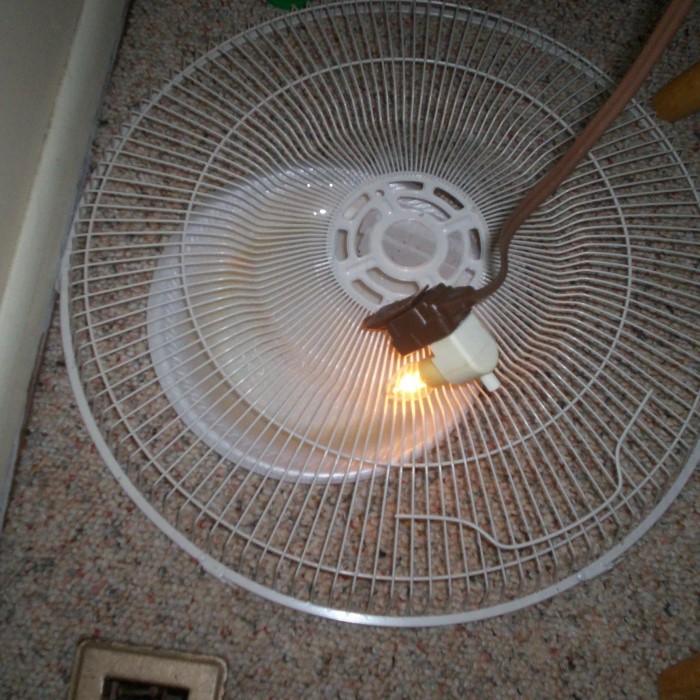
Commercial traps are effective, but you can make your own. Many homeowners prefer a DIY approach. It saves money and uses household items. Here is a simple guide to making a water trap. First, find a shallow bowl or plate. A baking dish works well. Second, fill it with water. Add a few drops of dish soap. Mix it gently. The soap reduces the surface tension of the water. Consequently, fleas sink immediately upon landing. Third, place the bowl on the floor. You need a light source above it. A small desk lamp works perfectly. Position the lamp so the bulb shines directly onto the water. The warmth and light will attract the fleas.
They will jump towards the light and fall into the water. However, be careful with electricity near water. Ensure the lamp is stable and cannot fall into the bowl. Furthermore, this trap works best at night. Turn off all other lights in the room. The trap becomes the only beacon. The next morning, you will see the results. This method is cheap and effective for monitoring. It is a great way to test if you have fleas. If you see fleas in the water, you know you have a problem. Then you can decide if you need a stronger commercial solution.
Maintenance and Monitoring for Long-Term Success
Installing a trap is not a one-time event. It requires ongoing maintenance to work properly. You must check the trap regularly. If you are using an electric trap, check the glue board. A board covered in dust or fur loses its stickiness. Similarly, a board full of fleas cannot catch more. Therefore, replace the glue board frequently. Most manufacturers recommend changing it every few weeks. If the infestation is heavy, you might need to change it weekly. Furthermore, check the light bulb. If the bulb burns out, the trap becomes useless. Keep spare bulbs on hand. In addition, clean the trap itself. Dust and debris can accumulate inside.
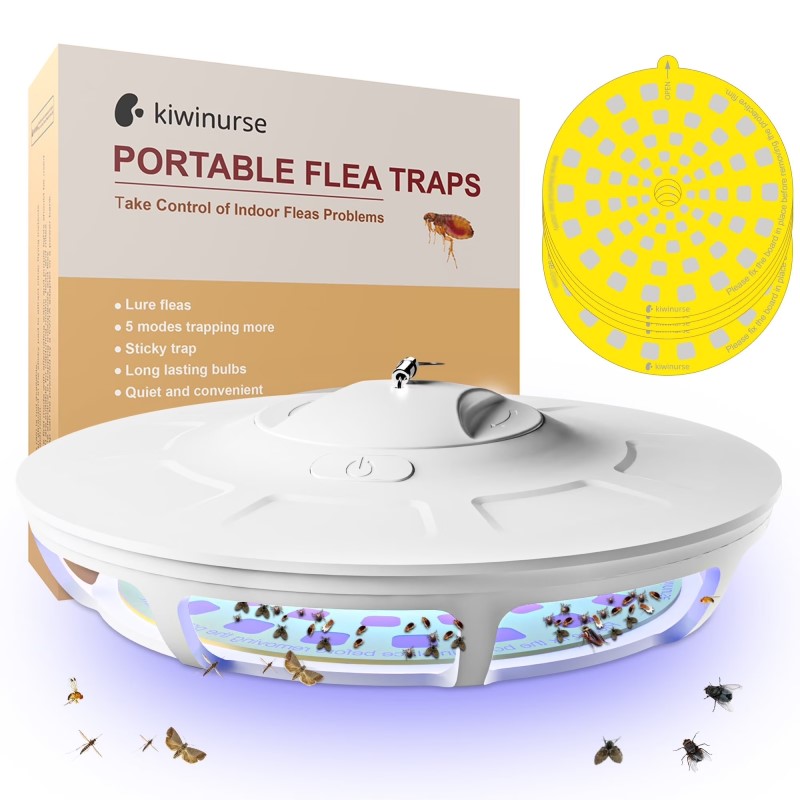
This might block the light or heat. Wipe it down with a dry cloth occasionally. Monitoring the catch numbers is also important. Keep a simple log. Note how many fleas you catch each day. You should see a downward trend over time. If the numbers stay high or increase, your control plan is not working. You might need to call a professional. However, if the trap stays empty, you are winning the battle. Consistency is the key to pest control. Do not stop too early. Continue trapping until you see no fleas for several weeks. This ensures the life cycle is broken completely.
FAQ
Do flea traps really work?
Yes, flea traps work effectively to capture adult fleas. They use heat and light to mimic a host animal. However, they work best as part of a larger control plan that includes treating pets and cleaning the home.
What kills 100% of fleas in the house?
It is very difficult to kill 100% of fleas instantly. A combination of methods is necessary for total elimination. Insect growth regulators (IGRs) combined with adulticides and thorough vacuuming usually provide the most complete results over time.
How do I make a homemade flea trap?
You can make a simple trap using a shallow dish of soapy water. Place it on the floor under a desk lamp. Turn off all other lights. The fleas will jump towards the light and drown in the water.
Why should you not squish fleas?
You should not squish fleas because their bodies are hard and slippery. It is difficult to crush them with fingers. Furthermore, squishing a female flea can release eggs into the environment, potentially worsening the infestation.
Conclusion: Taking Control of Your Home Environment
Battling a flea infestation is a stressful experience. However, with the right tools and knowledge, you can win. Flea traps offer a safe and effective way to reduce the population. They bridge the gap between chemical treatments and daily cleaning. We have explored the science behind them. We have also discussed types and placement strategies. Furthermore, we covered safety and maintenance. By following these tips, you protect your home and pets.
Remember that persistence is vital. Fleas are resilient, but they are not invincible. You must stay vigilant throughout the process. Combining traps with vacuuming and pet treatments yields the best results. As we move through 2026, let us embrace safer pest control methods. Your home should be a sanctuary, free from biting pests. Take action today. Set your traps, vacuum your floors, and treat your pets. A flea-free home is within your reach.