The Timeless Allure of Maritime Art
Maritime history has always captivated human imagination. The ocean represents mystery and adventure. Therefore, nautical themes remain popular in decor. One item stands out among the rest. It is the classic ship in a bottle. This object is a true conversation starter. It combines engineering with artistic beauty. Many people look at it with wonder.
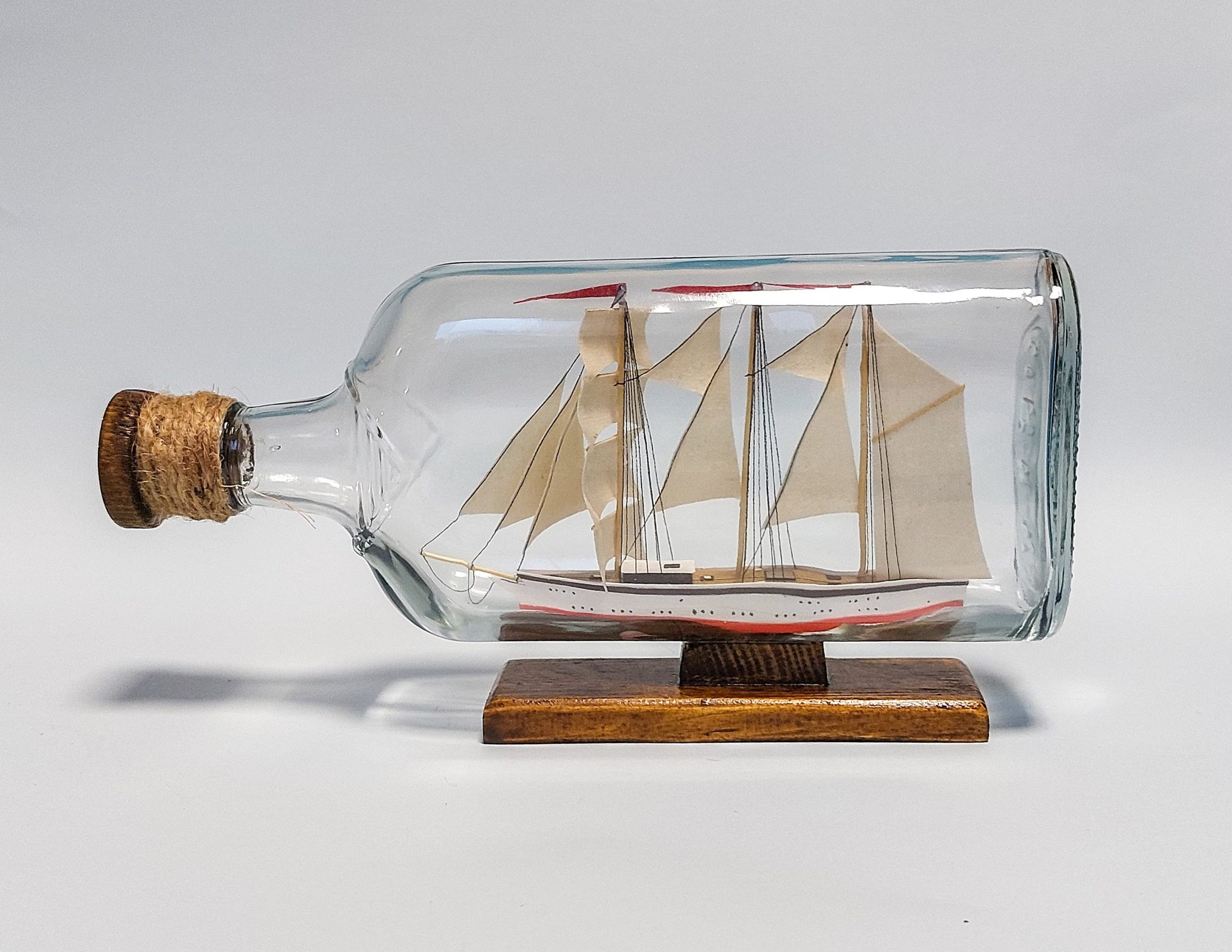
They often ask, “How did that get in there?” This sense of mystery adds to its charm. Consequently, it remains a beloved gift for collectors. It appeals to both young and old generations. The craftsmanship involved is immense. It represents patience and steady hands. In a fast-paced world, it slows us down. This article explores the secrets behind this art. We will dive into its history and techniques. You will gain a new appreciation for it.
A Glimpse into History
The origins of this craft are fascinating. Sailors were often the first creators. They spent long months at sea. They had limited resources and lots of time. Therefore, they needed a hobby. They used available materials like wood and glass. Old bottles were valuable resources. They crafted tiny ships with incredible detail. This was a way to pass the time. It was also a way to make extra money. Historians believe the craft started in the early 19th century.
The oldest known example dates back to 1784. It was found in Europe. As trade routes expanded, the art spread. Sailors sold these models in ports. Consequently, the tradition traveled the world. Different cultures added their own styles. For instance, some focused on specific ship types. Others focused on the bottle shapes. This history makes each item unique. It is a piece of maritime heritage. It connects us to those sailors of the past. Their legacy lives on through the glass.
The Ingenious Construction Process
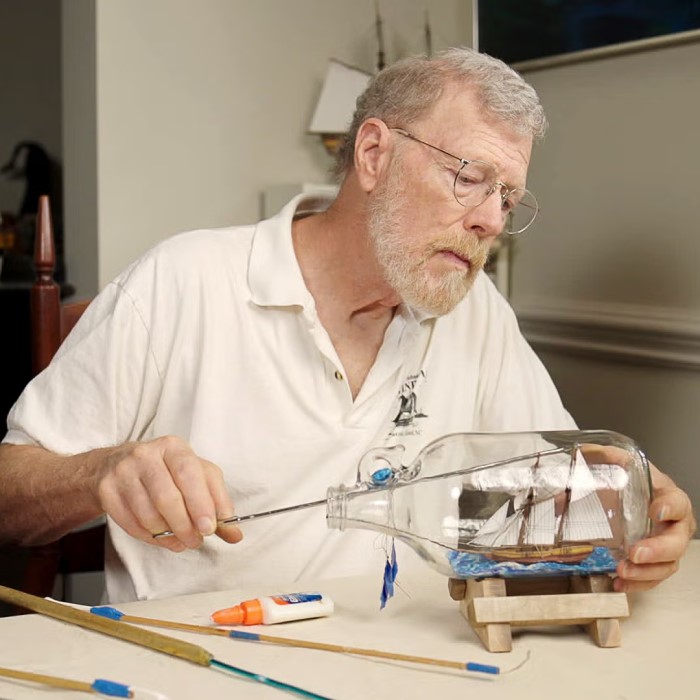
Many people wonder about the construction. How does a large ship fit through a small neck? The secret lies in clever engineering. The ship is not built inside the bottle. Instead, it is built outside. It is constructed to collapse or fold. The masts and rigging are hinged. They lay flat against the hull. This allows the ship to slide through the neck. Once inside, the magic happens. The builder uses long tools. These tools pull the masts upright.
They raise the sails into position. Threads are used to control the movement. Finally, the threads are cut or hidden. Glue secures everything in place. This process requires immense skill. It demands steady hands and patience. Consequently, the result looks impossible. It seems like the bottle was built around the ship. But the reality is reverse engineering. This clever trick has fooled people for centuries. It turns a model into a puzzle.
Essential Tools and Materials
Creating this masterpiece requires specific tools. You cannot just use your hands. First, you need a clear glass bottle. The shape affects the final display. A clean bottle with a smooth surface is best. Second, you need wood for the hull. Balsa wood is a popular choice. It is soft and easy to carve. Third, you need fabric for the sails. Silk or paper works well. You also need glue and paint. However, the most important items are the tools. Long-handled tweezers are essential. They help place small items inside. You also need specialized hooks.
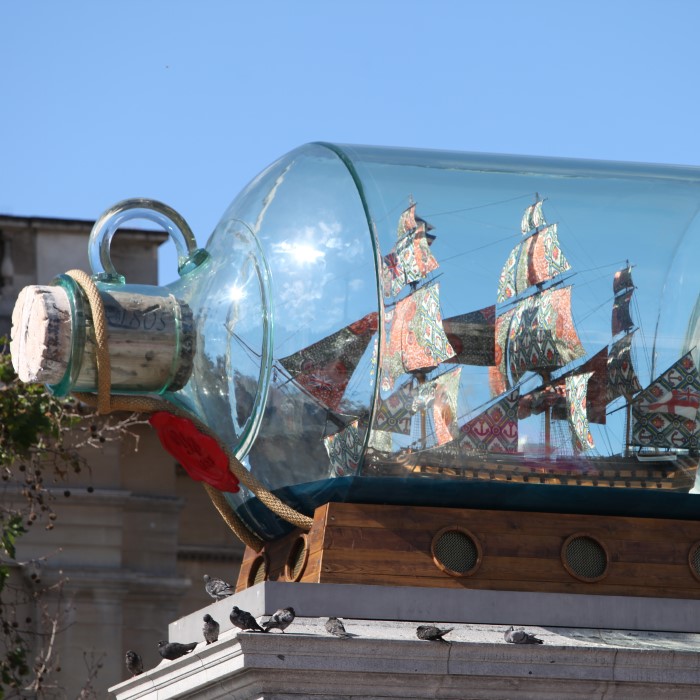
These pull the rigging lines. A long rod is useful for applying glue. Furthermore, good lighting is crucial. You must see every tiny detail. A magnifying glass helps too. Some builders use dental tools for precision. Everything must be on a small scale. The tools allow you to work remotely. You manipulate the ship through the narrow neck. Without these tools, the task is impossible. They are the extension of the artist’s fingers.
Choosing Your First Ship in a Bottle
Buying a model is exciting. You might want to start a collection. There are several factors to consider. First, look at the condition of the bottle. Ensure there are no cracks or chips. The glass should be clear. Cloudy glass hides the details. Next, examine the ship itself. Check the rigging carefully. Are the lines tight and straight? Loose rigging indicates poor quality. The sails should look natural. They should have a slight wave.
This mimics the wind. Furthermore, consider the type of ship. Do you like tall ships? Or do you prefer modern yachts? Historical vessels like the Cutty Sark are popular. Additionally, look at the base of the bottle. Some have a decorative stand. This adds to the display value. Finally, think about the size. A larger bottle offers more detail. But it requires more shelf space. A smaller bottle is easier to display. Choose one that speaks to you. It should match your personal taste and decor.
Step-by-Step Guide for Beginners
You might want to try building one. It is a rewarding hobby. Here is a simplified guide to start. First, select a simple kit. Do not start with a complex model. Choose a basic boat shape. Second, clean the bottle thoroughly. Dust will ruin the final look. Third, build the hull of the ship. Carve the wood to the correct scale. Paint the hull and let it dry. Next, prepare the masts. Attach the hinges to the masts. This allows them to fold down.
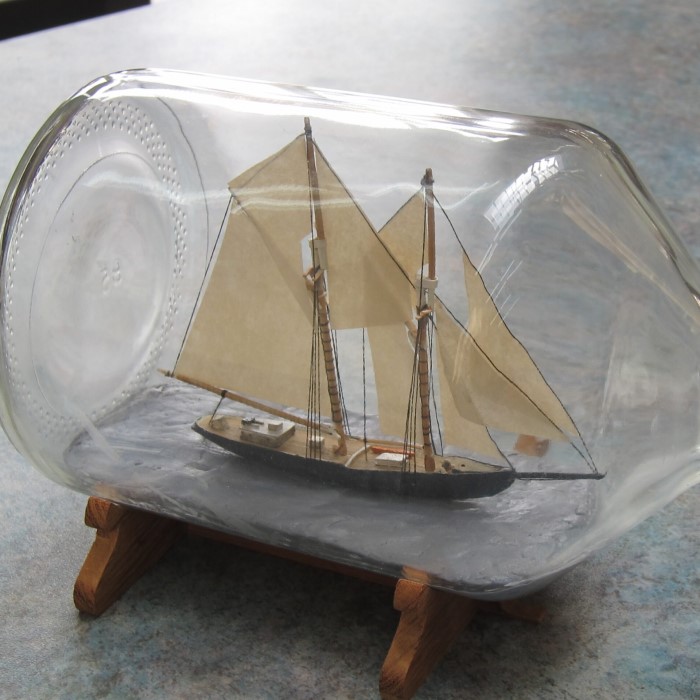
Thread the rigging lines carefully. These lines will raise the masts later. Then, slide the ship into the bottle. Use your long tools to position it. Once it is centered, pull the rigging lines. The masts will pop up into position. Finally, secure the ship to the glass. Use a drop of glue on the hull. Trim the excess thread. Seal the bottle with a cork or wax. Your first model is complete. Remember, patience is your best tool.
The Symbolism and Cultural Impact
These models are more than just toys. They hold deep symbolic meaning. They represent human ingenuity and patience. A ship in a bottle symbolizes protection. The bottle protects the ship from the storms outside. Therefore, it is often seen as a symbol of safety. It offers a sense of calm. The ship is safe in its glass harbor.
This makes it a popular gift for sailors. It is also great for loved ones traveling. Furthermore, it represents overcoming obstacles. The construction process is difficult. Completing one is a triumph. In culture, they often appear in movies and books. They are associated with mystery. Pirates and old captains are often depicted with them.
Preserving Your Maritime Treasure
Once you own one, you must care for it. These models are delicate. They require specific maintenance. First, keep it out of direct sunlight. UV rays can fade the paint. They can also make the glue brittle. The sails might turn yellow. Therefore, display it in a shaded area. Second, control the temperature. Extreme heat or cold is bad. Rapid changes can crack the glass. They can also loosen the rigging.
Try to keep the environment stable. Third, cleaning is important but tricky. Do not open the bottle. You might damage the ship. Use a soft cloth to clean the outside glass. For the inside, use compressed air. A gentle puff can remove dust. But be careful not to blow too hard. You do not want to snap the masts. Finally, handle it with care. The glass is fragile. Hold the bottle by the base. Never lift it by the neck. With proper care, your model will last a lifetime. It can become a family heirloom.
FAQ: Common Questions Answered
Q1: How do they get the ship inside the bottle?
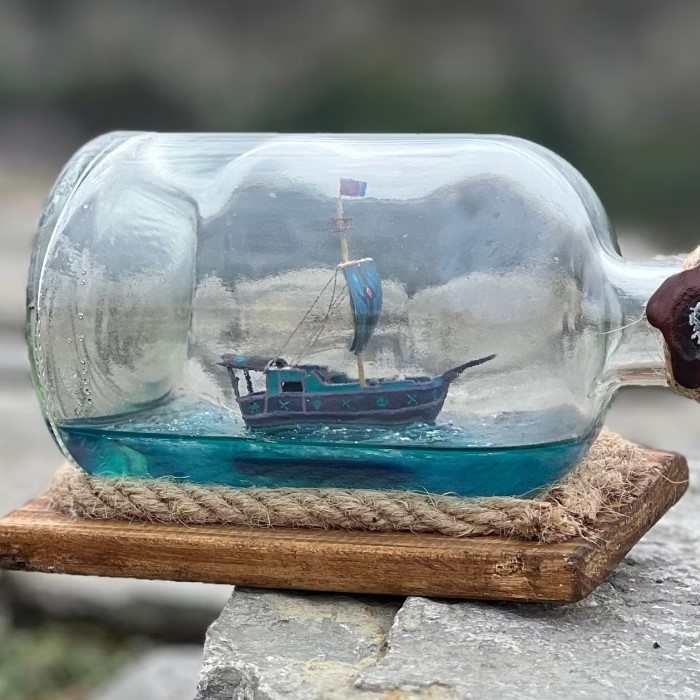
The ship is actually built outside the bottle. It has special hinges on the masts. These allow the masts to fold flat against the hull. The builder slides the collapsed ship through the neck. Then, they pull strings to raise the masts. It requires immense patience and steady hands. This technique creates the illusion of impossibility.
Q2: Can I build a ship in a bottle myself?
Yes, you can certainly build one yourself. Many hobby stores sell starter kits. These kits include pre-cut wood and instructions. They make the process easier for beginners. You will need special long-handled tools. It is a challenging hobby. But it is very rewarding once you finish your first model.
Q3: How do I clean the inside of the bottle?
Cleaning the inside is very delicate. Never open the cork or seal. This could damage the ship. Use a can of compressed air. Spray gently to remove dust. You can also use a long, thin brush. Be extremely careful not to touch the sails or rigging. The best method is prevention through proper display.
Q4: Are these models valuable?
The value depends on several factors. Age and condition are very important. The complexity of the ship matters too. Antique models from famous builders are valuable. Modern mass-produced kits are less valuable. Custom-made models by artists have high worth. They are considered pieces of art and craftsmanship.
Conclusion: A Lasting Legacy
The art of putting a ship in a bottle is unique. It combines history, skill, and mystery. From the days of old sailors to modern hobbyists, the tradition lives on. It challenges our perception of space. It rewards our patience with beauty. Whether you buy one or build one, you own a piece of art. It captures the spirit of the sea. It sits quietly on the shelf, safe from storms. This art form will continue to fascinate us for years to come. It is a timeless treasure worth keeping.