Understanding the Need for a Homemade Solution
Discovering a mouse in your home can be a startling experience. Many people immediately rush to the store to buy chemical solutions or expensive equipment. However, these commercial options often come with downsides. They can be dangerous for pets and children. Furthermore, they might be inhumane, causing unnecessary suffering for the animal. Consequently, many homeowners are turning to a diy mouse trap as a smarter alternative. Creating your own trap allows you to control the materials used. You can ensure the safety of your family. Additionally, it is an incredibly cost-effective solution.
You likely have all the necessary items in your kitchen or garage already. Therefore, you can save money while solving your pest problem. The process of building a trap can also be quite educational. It teaches basic physics and engineering principles. Moreover, it offers a sense of accomplishment when successful. You can customize the trap to fit your specific needs. For instance, you might want a lethal trap, or perhaps a live-catch option. This guide will explore various methods. We will cover everything from simple concepts to more complex builds. Ultimately, taking control of the situation yourself is empowering.
The Benefits of Building Your Own Traps
There are numerous advantages to constructing a homemade trap. First, it is much cheaper than buying professional grade equipment. Store-bought traps can be flimsy or overpriced. In contrast, a diy mouse trap costs next to nothing. You use recycled materials like plastic bottles or buckets. This makes the solution eco-friendly. You are repurposing items that would otherwise be trash.
- Safety: Commercial traps often use strong springs or toxic glues. These can injure curious pets or children. Homemade versions can be placed out of reach or designed to be harmless until triggered.
- Humaneness: Many people prefer not to kill the mouse. Live traps allow you to catch and release the animal far away from your home. This is a more ethical approach to pest control.
- Customization: You can scale the trap size. If you have a large mouse, you can build a bigger entrance. You can also adjust the sensitivity of the trigger mechanism.
- Availability: You might have a mouse problem in the middle of the night. Stores are closed. However, you probably have a bucket and some peanut butter available immediately.
Therefore, building your own trap is practical. It solves the problem instantly without requiring a shopping trip. Furthermore, it gives you peace of mind regarding safety and ethics.
The Classic Bucket and Spoon Method
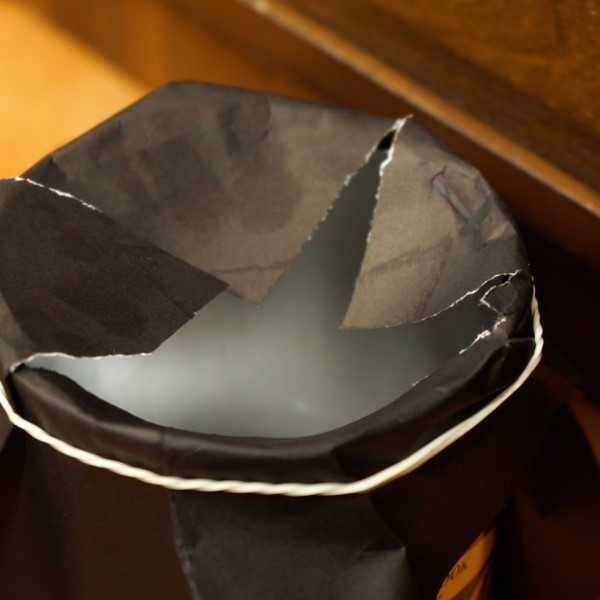
One of the most popular and effective designs involves a bucket and a spoon. This trap is simple to set up. It uses gravity to catch the mouse. You will need a deep bucket, a spoon, and some bait. Peanut butter works best because it is hard for the mouse to grab and run.
- Setup: Place the spoon on the edge of a counter or table. The handle should extend over the edge. Place the bucket directly underneath the handle.
- Bait: Put a small dab of peanut butter on the very tip of the spoon handle. The mouse will smell the bait and walk out onto the spoon.
- The Trigger: The weight of the mouse on the spoon handle will cause it to tip. The spoon acts like a lever or a seesaw.
- The Catch: The mouse falls into the bucket below. Ensure the bucket is deep enough so the mouse cannot jump out.
- Variations: You can use a ruler instead of a spoon. You can also place a small amount of water in the bucket if you prefer a lethal trap. However, leave it empty for a humane live catch.
This method is highly effective because mice are attracted to high places. They feel confident walking on the narrow spoon. Consequently, they fall for the trap easily. It requires minimal effort to assemble.
The Rolling Log Bucket Trap
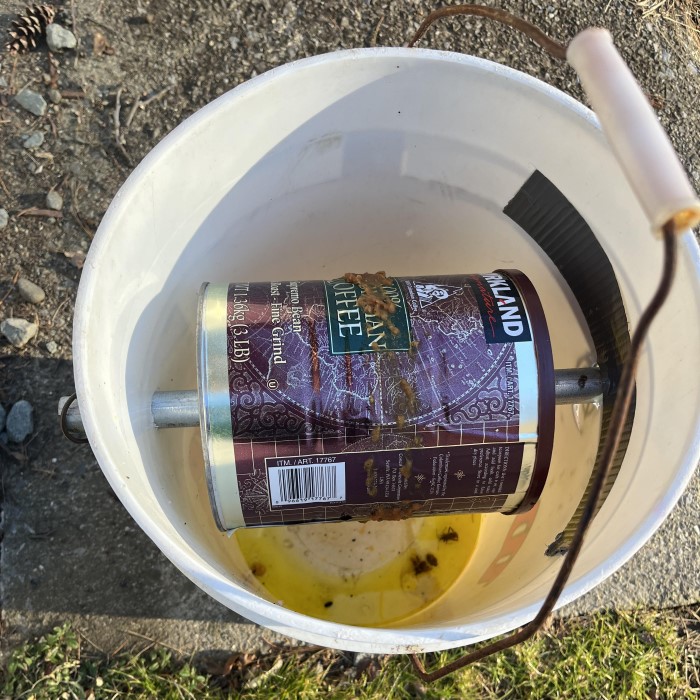
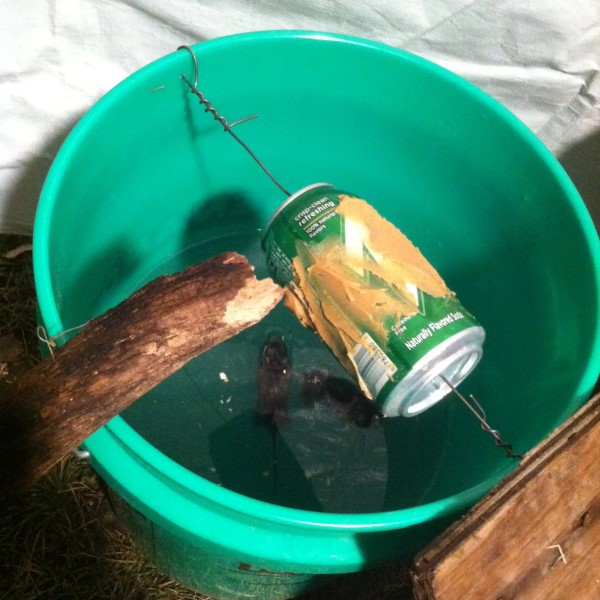
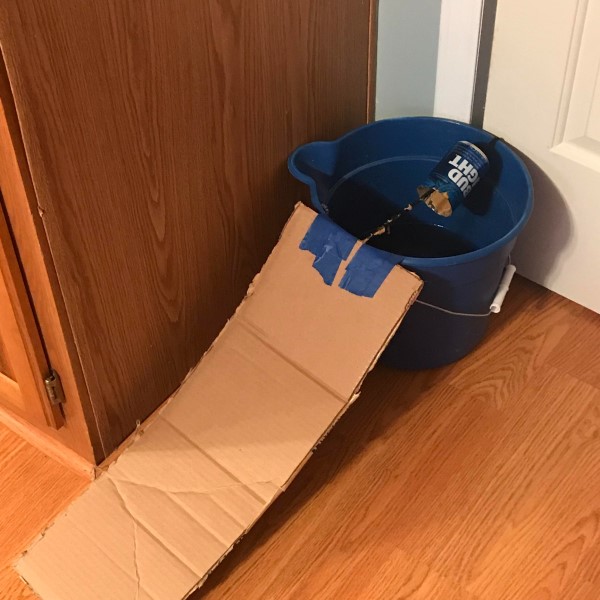
This is a variation of the bucket trap. It is often considered one of the most efficient diy mouse trap designs for catching multiple mice at once. You will need a bucket, a wire coat hanger, and a cylindrical object like a soda can or a PVC pipe.
- Construction: Drill holes near the top of the bucket on opposite sides. Thread the wire through the holes. Pierce the can or pipe and slide it onto the wire. It should spin freely.
- Bait: Smear peanut butter or soft cheese all over the can or pipe. The scent will attract the rodents.
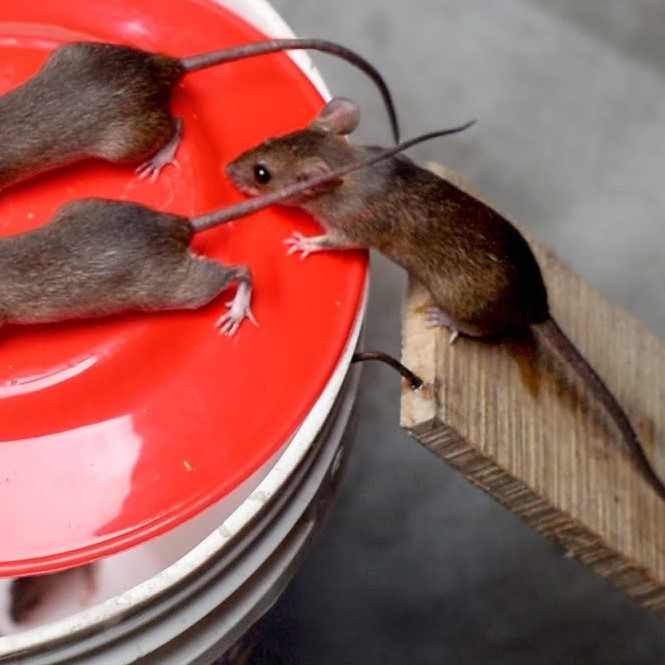
- Access: Place a ramp leading up to the top of the bucket. A piece of wood or a stack of books works well. The mouse will climb the ramp to reach the bait.
- Mechanism: When the mouse steps onto the rolling log to eat the bait, it spins. The mouse loses its footing and falls into the bucket.
- Efficiency: Unlike the spoon trap, this resets itself. The rolling log spins back to its original position. You can catch several mice in a single night.
This design is excellent for severe infestations. It requires a bit more construction time. However, the results are often superior. It is a favorite among farmers and homeowners alike.
The Humane Soda Bottle Trap
If you prefer a non-lethal method that uses recycled materials, this is a great option. It uses a plastic soda bottle. This trap works like a one-way door. The mouse can enter but cannot exit.
- Preparation: Take a large plastic soda bottle. Clean it thoroughly. Cut the top third of the bottle off.
- Assembly: Invert the top piece and place it inside the bottom piece. It should look like a funnel. Tape the edges together securely.
- Bait: Place the bait inside the bottom of the bottle. Peanut butter or seeds work well. The mouse smells the food and crawls through the funnel neck.
- Function: The mouse can push its way in easily. However, the plastic walls are slippery. The narrow opening makes it impossible for the mouse to climb back out.
- Placement: You can lay this trap on its side or prop it up slightly. Ensure it is stable so it does not roll away when the mouse enters.
This trap is completely safe for the animal. You can release the mouse outside without touching it. Furthermore, it is a great way to reuse plastic waste. It is an eco-friendly solution to a common household problem.
The Glass and Coin Technique
This is perhaps the simplest diy mouse trap in existence. It requires only three items: a glass or jar, a coin, and some bait. It is perfect for a quick setup when you have limited resources.
- Items: Use a tall glass or a mason jar. A heavy coin like a quarter or a large washer is needed. The bait should be something sticky like chocolate or peanut butter.
- Setup: Smear the bait on the inside bottom of the glass. Place the glass upside down on a flat surface.
- Prop: Prop the glass up with the coin. Place the coin on its edge. The glass should be balanced precariously on the coin.
- Mechanics: The mouse will smell the bait and crawl under the rim of the glass to get it. As it enters, its movement or nudging will knock the coin over.
- Result: The glass falls, trapping the mouse inside. The smooth sides prevent the mouse from climbing out.
This trap is very quiet and effective. However, you must check it frequently. A trapped mouse can panic and create noise. It is a humane option if checked regularly. It costs absolutely nothing if you have a coin and a glass.
Choosing the Right Bait for Success
Building the trap is only half the battle. You need the right bait to lure the mouse in. Many people think cheese is the best option because of cartoons. However, this is often not the case. Mice prefer foods with high sugar or protein content.
- Peanut Butter: This is the gold standard for mouse bait. It has a strong smell that attracts rodents. Furthermore, it is sticky. The mouse cannot grab it and run. They must stay to eat it, giving the trap time to trigger.
- Chocolate: Mice love sweets. A small piece of chocolate can be very effective. The scent of cocoa travels far.
- Seeds and Nuts: Mice eat grains in the wild. Sunflower seeds or walnuts are natural attractants. They are healthy for the mouse if you plan to release it.
- Pet Food: If you have cats or dogs, the mouse is likely eating their food. Using a piece of dry cat food or wet dog food can work wonders.
- Nesting Materials: Sometimes mice are looking for warmth, not just food. Cotton balls or small pieces of string can attract them.
Experiment with different baits if one does not work. The mouse’s preferences might vary. Place the bait securely so it does not fall off the trigger. A crafty mouse might steal the bait without setting off the trap. Therefore, secure the bait to the trap mechanism.
Placement Strategies for Maximum Effectiveness
Even the best diy mouse trap will fail if placed incorrectly. Mice have specific travel patterns. They usually do not run across the middle of a room. They prefer to stick close to walls for safety.
- Follow the Walls: Place your traps perpendicular to the wall. The trigger should be closest to the wall. This ensures the mouse encounters the trap as it runs along its path.
- Dark Corners: Mice are nocturnal and shy. They prefer dark, quiet areas. Place traps behind appliances, in pantries, or in closets.
- Droppings: Look for mouse droppings. This is a clear sign of high traffic areas. Place your traps directly in these spots.
- Multiple Traps: Do not rely on just one trap. Place several traps in different locations. This increases your chances of catching the intruder quickly.
- Avoid Disturbance: Do not place traps where humans or pets walk frequently. Vibrations and noise can scare the mice away. It can also trigger the trap accidentally.
Proper placement is crucial for success. Observe the signs of activity. Place the trap where the mouse feels safe. You will see results much faster this way.
FAQ
How do you catch a mouse fast without a trap?
You can use a glass and coin method or a bucket ramp. These methods use items found in your home. Place bait inside a glass balanced on a coin. The mouse enters and knocks the coin over. Alternatively, provide a ramp to a deep bucket with bait at the bottom. The mouse jumps in and cannot jump out. These methods are fast and do not require store-bought traps.
What bait is irresistible to mice?
Peanut butter is widely considered the best bait. It has a strong smell and sticks to traps. Mice also love chocolate, bacon, and dried fruit. Seeds and nuts are also very effective. These foods provide high energy. Therefore, mice seek them out instinctively. Avoid using cheese as it is often less effective than sweet or fatty foods.
How to 100% get rid of mice?
To completely eliminate mice, you must combine trapping with prevention. Seal all cracks and holes in your home’s foundation. Keep food in airtight containers. Remove clutter where mice can hide. Set multiple traps in high-traffic areas. Keep your home clean and free of crumbs. Consistency is key. You must remove their food source and entry points to stop them from returning.
How to catch a mouse in a bucket?
The bucket trap is very effective. You need a deep bucket and a ramp. Smear peanut butter on the inside rim or a rolling can. Place the ramp leading up to the top. The mouse climbs the ramp to get the bait. It falls into the bucket and cannot escape. You can use water for a lethal trap or leave it empty for a live catch. This method can catch multiple mice.
Conclusion
Dealing with a mouse infestation does not have to be expensive or cruel. You can create a highly effective diy mouse trap using simple household items. Whether you choose the bucket method or a simple glass trap, the principles remain the same. You save money and protect your family from harmful chemicals. Furthermore, you have the option to be humane. You can catch and release the animal without harm. Remember to choose the right bait and place your trap strategically. With a little patience and ingenuity, you can solve your pest problem easily. Take control of your home today with these fun and functional ideas.