Introduction
Creating a fabric garland is an enjoyable and rewarding craft project that can add a splash of color and charm to any space. These decorative pieces can be used for various occasions, from birthday parties and baby showers to weddings and home decoration. Whether you’re an experienced crafter or just starting, making your own fabric garland can be a delightful process. In this article, we will explore several fun DIY fabric garland projects suitable for all skill levels, providing you with the inspiration and instructions needed to embark on your crafting journey.
The Allure
Fabric garlands have become increasingly popular in home decor and event planning over recent years. Here are a few reasons why crafting fabric garlands can be appealing:
- Versatile Decor:
Fabric garlands can suit various themes and occasions. You can customize colors and patterns to match your event’s theme or your home’s decor. - Eco-Friendly:
Using fabric for your garlands means you’re often opting for materials that are reusable and sustainable, unlike plastic-based decor items. This eco-friendly approach can be both stylish and conscientious. - Creative Expression:
Crafting allows you to express your personality. You can mix and match fabrics, colors, and styles to create something truly unique. - Budget-Friendly:
Making garlands at home is typically less expensive than purchasing similar decorations ready-made. You can utilize scrap fabric or buy remnants for a low cost, which makes this project budget-friendly.
Supplies Needed
Before you dive into the crafting process, gather the necessary supplies. Here’s a list of materials you’ll need for most fabric garland projects:
Fabric
- Diverse Color Selection:
When choosing fabrics for your garland, opt for a variety of colors that resonate with your theme or personal style. Bright, vibrant colors can create a cheerful atmosphere, while softer, muted tones can evoke a more rustic feel. - Pattern Variety:
Incorporating different patterns can add visual interest to your garland. Consider floral prints for a spring vibe, geometric designs for a modern touch, or plaid patterns for a cozy, traditional look. Mixing patterns can also create a playful and eclectic design. - Material Choices:
Popular fabric choices include:- Cotton: Known for its softness and durability, cotton is easy to sew and holds color well, making it a versatile option for various garland designs.
- Felt: This materials adds a unique texture and is readily available in many colors. Felt is stiff and doesn’t fray, which makes it excellent for sharp shapes and forms in garlands.
- Linen: A more upscale choice, linen has a natural look that adds an air of elegance. It has a beautiful drape but can be harder to sew than cotton.
- Repurposing Materials:
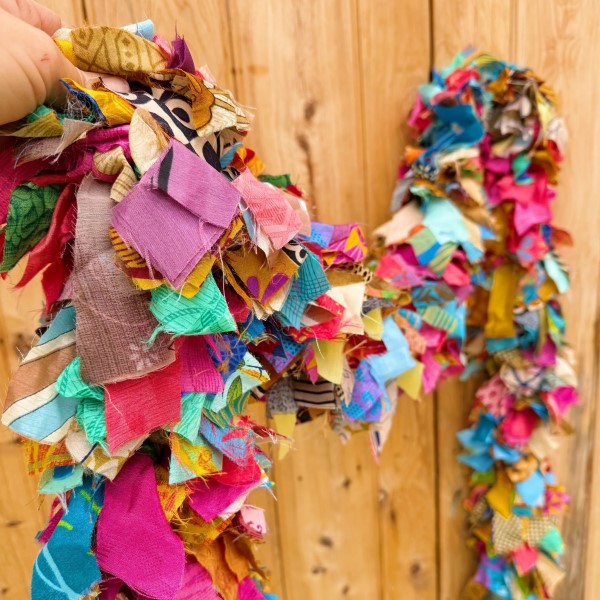
Don’t hesitate to use old clothing or fabric scraps for your garland projects. This approach not only gives new life to unwanted items but also provides a unique twist that can tell a story. Upcycling reduces waste and can result in one-of-a-kind creations that add character to your decor.
Scissors
- Importance of Sharpness:
Sharp fabric scissors are critical for achieving clean cuts. Dull scissors can cause frayed edges and make it difficult to cut intricate shapes. Investing in a good pair will enhance your crafting experience and improve the quality of your final product. - Specialty Scissors:
Consider using specialty scissors, such as pinking shears, for cutting fabric edges. Pinking shears feature a zigzag blade that prevents fraying, ensuring your garland maintains its appearance over time. - Proper Care:
To keep your scissors sharp and in good condition, avoid using them on paper or other materials. Regularly clean the blades and sharpen them as needed to maintain optimal cutting performance.
Sewing Supplies
- Hand Sewing Tools:
For projects that don’t require a machine, hand sewing supplies will be essential. Ensure you have various needles on hand, including standard sewing needles and those specifically designed for thicker fabrics if needed. - Thread Selection:
Choose quality thread that complements your fabric colors. Polyester thread is a good choice for general use, as it is strong and has a slight stretch. Cotton thread can also work well but be mindful of its strength when sewing thicker layers. - Sewing Machine:
If you opt for using a sewing machine, familiarize yourself with its settings and features. A zigzag stitch may be useful for securing edges to prevent fraying, while various stitches can add decorative elements to your garland.
Twine or Ribbon
- Functionality:
Twine or ribbon serves as the foundational element of your garland. It provides the line along which your fabric pieces will hang, ensuring they are securely attached while giving structure and shape to your design. - Color Coordination:
Choose a twine or ribbon color that complements the fabrics you’ve selected. For instance, a natural jute twine can enhance a rustic look, while shiny satin ribbon can add elegance and sophistication to your garland. - Texture Matters:
Consider textures when selecting your base. A textured twine can bring warmth and earthiness, while a smooth ribbon may introduce a modern, sleek feel. The choice of texture can impact the overall aesthetic of your finished garland.
Iron
- Preparing the Fabric:
Using an iron on your fabric before cutting it helps to flatten any creases or wrinkles. This step is essential for ensuring precise cutting and a polished final appearance for your garland. - Technique:
When ironing, use a suitable heat setting based on the type of fabric. Cotton requires a higher heat setting compared to synthetic materials like polyester, which may warp or melt if too hot. -
Post-Ironing Care:
After ironing, ensure you lay your fabric flat and avoid folding it to maintain its smooth appearance until you are ready to cut and sew. Keeping fabric wrinkle-free is important for clean edges during your crafting process.
Fun Fabric Garland Projects for All Skill Levels
Now that you have your supplies, let’s explore some fun fabric garland projects that cater to different skill levels.
Beginner Project: Simple Triangle Banner
- Materials Needed:
Choose two or three coordinating fabrics. You will also need ribbon or twine, scissors, and fabric glue or a sewing machine. - Instructions:
- Cut triangles from your fabric, aiming for dimensions around 4 inches wide by 6 inches tall.
- Arrange the triangles along the ribbon or twine, spacing them evenly.
- Once arranged, use fabric glue or sew the triangles onto the ribbon, securing them in place.
- Hang your finished garland to add a festive touch to any room.
Intermediate Project: Fabric Flower Garland
- Materials Needed:
For this project, you need fabric, scissors, twine, and a sewing machine. - Instructions:
- Cut circles out of your chosen fabric, about 4 inches in diameter.
- Create five or six petal shapes per flower by cutting the circles into spirals, leaving about half an inch in the center.
- Sew or gather the spirals at the center to form flowers.
- Attach each flower to the twine, spacing them out evenly to create a whimsical flower garden look.
Advanced Project: Patchwork Fabric Garland
- Materials Needed:
You will require an assortment of fabric scraps, a sewing machine, scissors, and twine. - Instructions:
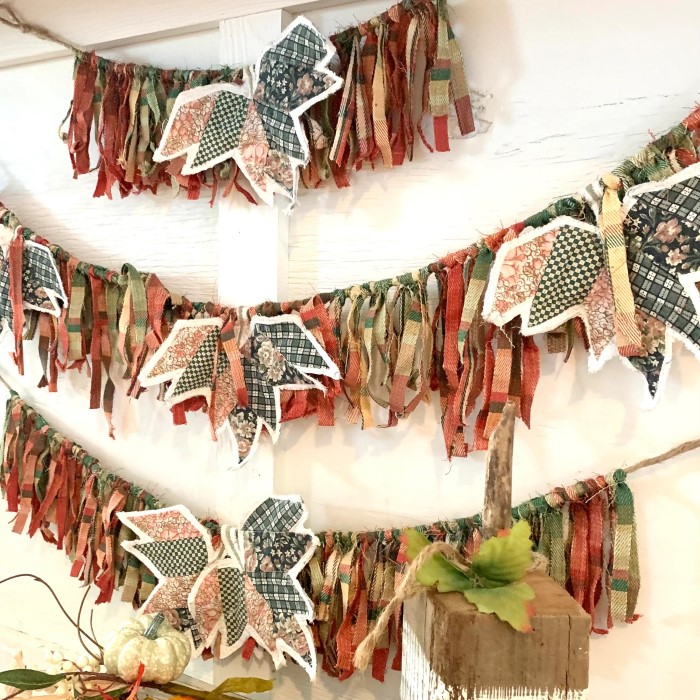
- Cut fabric scraps into various shapes, such as squares and rectangles. Ensure that each piece is roughly the same size.
- Sew the pieces together to create patchwork sections. This sewing can be done by machine or hand, depending on your preference.
- Once the patchwork fabric is complete, cut it into triangles, circles, or any other shape you like.
- Attach the shapes to twine, ensuring they are securely fastened. This project results in a visually stunning and eclectic garland that showcases your sewing skills.
Caring for Your Fabric Garlands
To keep your fabric garlands looking their best, consider these care tips:
- Cleaning:
Depending on the fabric used, your garlands may be machine washable. However, items like felt may require spot cleaning. Always check the care instructions of your fabric. - Storage:
When not in use, store your garlands in a cool, dry place. Avoid folding heavy items over them to prevent creases and damage. - Repurposing:
If the garland becomes worn or is no longer needed, consider repurposing the fabric into new projects, maximizing your materials and creativity.
Frequently Asked Questions (FAQs)
How do I make my own garden flag?
To make your own garden flag, you’ll need to choose a suitable fabric, design your flag with paints or patterns, cut it to size, and securely attach it to a stake or pole.
What is the best material for a garden flag?
The best materials for garden flags include durable fabrics like polyester or cotton that can withstand outdoor conditions.
How to keep a garden flag from blowing away DIY?
To prevent your DIY garden flag from blowing away, ensure it’s properly attached to a sturdy pole, and consider adding weights or utilizing stayaway cables if necessary.
How to make a weatherproof flag?
To create a weatherproof flag, select water-resistant fabrics and apply a waterproofing spray or treatment designed for fabric to enhance protection against the elements.
Conclusion
Creating a fabric garland is an exciting and expressive way to enhance your home or event decor. With projects suited for all skill levels, from simple triangle banners to intricate patchwork designs, there’s something for everyone. As you gather your materials and explore your creativity, remember that the process is just as enjoyable as the final product.
By following the tips and projects outlined in this guide, you can customize your space beautifully and add personal touches that truly reflect your style. So, roll up your sleeves and embark on these fun fabric garland projects today! Whether for zero-waste decor or simply a fun weekend craft, fabric garlands are a lovely way to brighten up any space.