Introduction
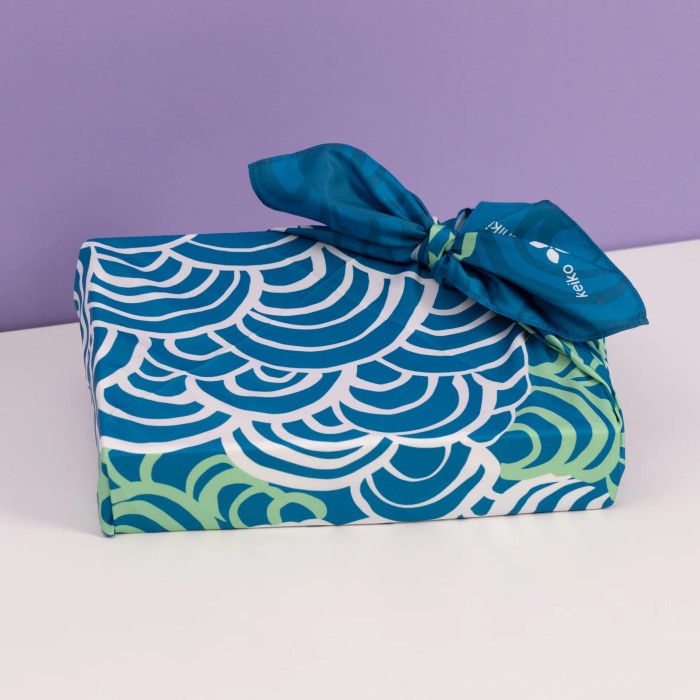
Furoshiki wrapping is a traditional Japanese practice that involves using a square piece of cloth to wrap and carry items. This method enhances not only the presentation of gifts but also promotes sustainability. Today, furoshiki wrapping has gained popularity in the global community for its eco-friendly approach to both gift-giving and everyday carrying. As we explore this art form, you will learn about its rich history, practical techniques, and creative applications in modern contexts.
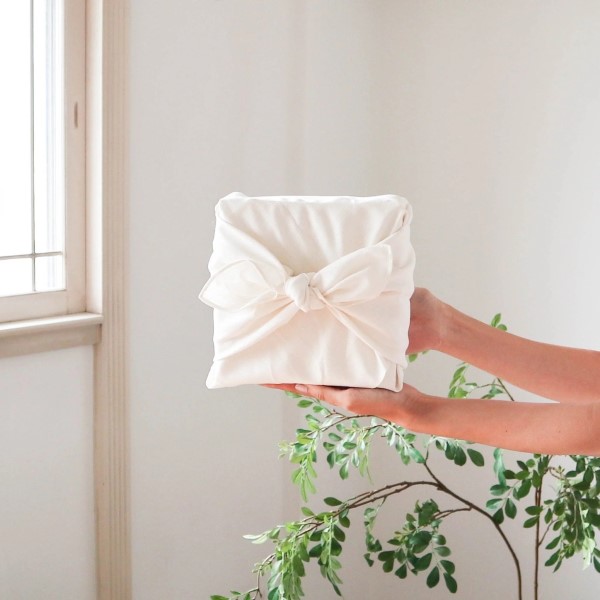
The Origins and Cultural Significance of Furoshiki
Furoshiki dates back to the Edo period in Japan, where it was originally used as a means of transporting goods to and from public baths. The term “furoshiki” itself translates to “bath spread,” symbolizing its initial purpose. Over time, this practice evolved into a sophisticated art form, imbued with cultural significance. Each furoshiki not only serves a practical function but also reflects the aesthetic values and creativity of Japanese culture.
- A Cultural Artifact
Furoshiki represents not just a way to wrap gifts but also a connection to Japan’s ethics of minimalism and environmental care. The act of wrapping and unwrapping can feel ceremonial, enhancing the experience of receiving a gift. - Symbol of Sustainability
In our modern age, where environmental concerns are paramount, furoshiki wrapping stands out as a sustainable alternative to traditional gift wrapping materials like plastic or paper. Utilizing reusable fabric greatly reduces waste.
The Benefits of Using Furoshiki
Adopting furoshiki wrapping brings numerous benefits. For craftspeople and eco-conscious consumers alike, here are some reasons to consider this method:
- Eco-Friendly Solution
By using fabric instead of paper, you significantly lower your environmental footprint. Furoshiki cloth can be reused multiple times without losing aesthetic or functional value. - Versatile Applications
Furoshiki cloth can wrap presents, serve as a fashionable bag, or even be used for everyday items. This versatility makes it an excellent investment. - Creative Expression
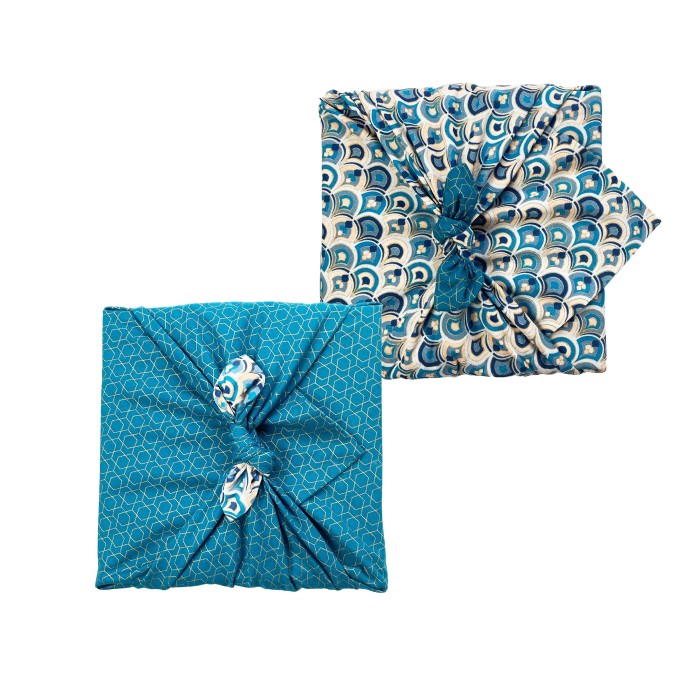
Furoshiki allows for personal creativity. Choosing fabrics with different designs or colors lets you tailor your presentation to fit the recipient’s personality.
How to Master Furoshiki Wrapping Techniques
Mastering furoshiki wrapping involves learning a few essential techniques. While it may seem daunting at first, practice will make it easier, allowing you to wrap items beautifully and efficiently.
Choosing the Right Fabric
- Importance of Fabric Selection:
- The type of fabric you choose plays a significant role in the overall effectiveness and aesthetic of your wrapped items. A suitable fabric not only enhances presentation but also ensures durability and functionality.
- For most wrapping projects, a square piece of cloth measuring between 1 to 2 meters is ideal. This size provides enough material to wrap various items comfortably, whether they’re small gifts or larger objects.
- Ideal Fabrics:
- Common materials for wrapping include cotton, silk, and synthetic fibers.
- Cotton: Cotton is a popular choice due to its versatility, breathability, and ease of care. It can be used for casual wraps or more formal occasions, depending on the pattern and color.
- Silk: For a luxurious touch, silk is an excellent option. It adds elegance to any gift and can elevate the overall presentation significantly. Its smooth texture also provides a refined look.
- Synthetic Fibers: Synthetic fabrics such as polyester or nylon may be used for added durability and resistance to wrinkles. They are often easier to clean and can be dyed in various vibrant colors.
- Common materials for wrapping include cotton, silk, and synthetic fibers.
Basic Folding Technique
- Understanding the Folding Process:
- The basic folding technique is essential for mastering the art of wrapping. Proper folding not only secures your item but also ensures a neat finish.
- Start by laying your square piece of fabric flat on a clean surface, making sure there are no wrinkles that might affect the final appearance.
- Folding Steps:
- Place your item diagonally in the center of the fabric. This positioning is crucial as it allows you to maximize fabric usage and achieve an even wrap.
- Begin folding the corners of the fabric over the item, starting with one corner and then moving to the opposite corner. This method ensures that the item is enveloped entirely by the fabric, creating a snug fit.
- Adapting the Technique:
- Depending on the shape and size of the item being wrapped, you may need to adapt your folding technique. For example:
- For larger or bulkier items, additional folds may be required to secure everything neatly.
- If wrapping a small item, you might use a smaller piece of fabric or adjust your folding to create tidy edges without excess material.
- Depending on the shape and size of the item being wrapped, you may need to adapt your folding technique. For example:
Knotting for Security
- Importance of Knotting:
- To secure your wrapped item, utilizing knotting techniques is key. A strong knot not only enhances stability but also adds a finishing touch to the overall presentation.
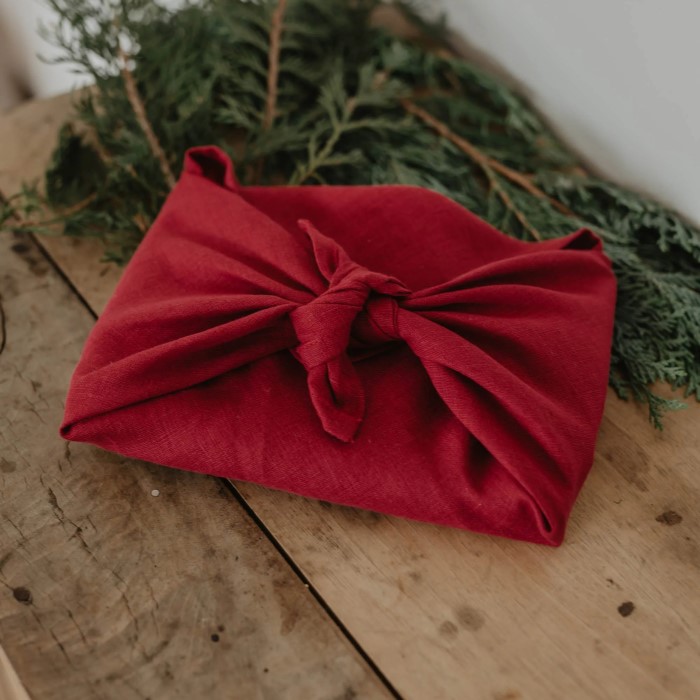
- Proper knottings, such as bows or simple ties, can create an attractive closure, ensuring the wrapped item remains secure throughout handling or transportation.
- Basic Knot Techniques:
- The standard knot is the most straightforward method for securing your fabric wrap. To perform this knot:
- Gather the corners of the fabric and pull them tight around the item.
- Cross the fabric ends over one another, then tie them in a simple knot.
- This method is quick and effective, making it suitable for everyday wrapping tasks.
- The standard knot is the most straightforward method for securing your fabric wrap. To perform this knot:
- Exploring Complex Knots:
- For those looking to add character to their gift wrapping, experimenting with more complex knots can provide a unique touch.
- Bows: Creating bows can add an element of playfulness and elegance. This is particularly effective when using stiffer fabrics that hold their shape well.
- Double Knots: For added security, consider using a double knot, which is less likely to come undone. This is useful for heavier items or when the fabric is slippery.
- For those looking to add character to their gift wrapping, experimenting with more complex knots can provide a unique touch.
- Final Touches:
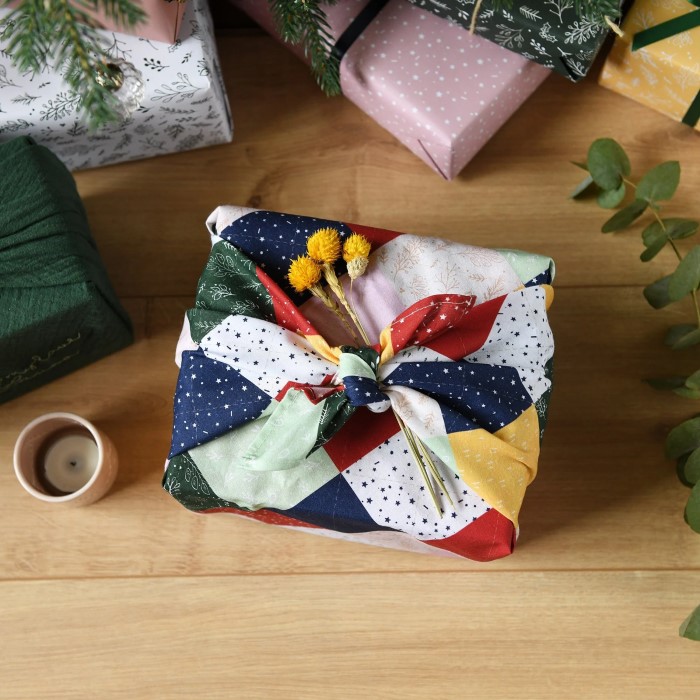
- After securing your wrap with a knot, consider adding a decorative element, such as a sprig of greenery or a tag, to personalize your wrapped item. These touches can elevate the overall presentation and make your gift stand out.
Frequently Asked Questions (FAQs)
What is furoshiki wrapping?
Furoshiki wrapping is the Japanese art of wrapping items with fabric. It is a sustainable way to present gifts, carry items, and express creativity.
Can you use any fabric for furoshiki?
Yes, you can use various fabrics for furoshiki wrapping. Cotton, silk, and linen are popular choices due to their durability and aesthetic appeal.
Why are furoshiki so expensive?
Furoshiki can be costly due to the quality of the fabric, intricate designs, and craftsmanship involved in creating them. Handmade options often carry a higher price point.
What is the difference between bojagi and furoshiki?
Bojagi is a Korean fabric wrapping style, while furoshiki is Japanese. The primary difference lies in the designs and the cultural significance associated with each style.
Creative Uses for Furoshiki Beyond Gift Wrapping
Furoshiki wrapping has diverse applications beyond simply wrapping gifts. Here are a few creative ways to incorporate this art form into your everyday life:
Fashion Accessories
- Versatile Scarf
Furoshiki cloth makes an excellent scarf due to its lightweight fabric and vibrant designs. You can wrap it around your neck for added warmth or style. Different tying techniques allow for various looks, making it a versatile addition to any outfit. - Stylish Hair Accessory
Transform a furoshiki into a fashionable hair accessory. You can tie it into a headband, use it as a scrunchie, or braid it into your hair for a pop of color and personality. The unique patterns add flair and can complement any hairstyle. - Chic Bag Option
By simply knotting the corners of a furoshiki, you can create a stylish bag. This makeshift bag is perfect for short outings or as a reusable shopping tote. The stylish design enhances your overall look while being functional.
Reusable Shopping Bags
- Eco-Friendly Alternative
Using furoshiki as a shopping bag significantly reduces reliance on single-use plastic bags. By folding it into a bag shape, you are making an environmentally conscious choice that supports sustainability in your daily activities. - Customizable Sizes
Furoshiki can be folded into various bag sizes, accommodating different shopping needs. Whether you need a small bag for quick errands or a larger one for grocery shopping, the versatility of furoshiki allows you to adapt accordingly. - Durable and Washable
Furoshiki bags made from cotton or other sturdy fabrics are durable and can be used numerous times. Additionally, they are easily washable, maintaining both cleanliness and durability for repeated use.
Home Decor
- Elegant Table Runners
Furoshiki fabric can be utilized as a table runner, adding a touch of elegance to your dining area. The unique designs and colors can enhance your home décor, making meal times special. - Creative Wall Hangings
Consider using vibrant furoshiki fabrics as wall art. You can hang them as tapestries, creating eye-catching focal points that bring a lively atmosphere to your home. This approach allows for personalization and showcases your style. - Stylish Cushion Covers
Furoshiki can also be repurposed into cushion covers, offering a unique way to decorate your living space. The fabric’s texture and design can complement your existing furniture and add a layer of warmth and comfort to your home. - Cultural Touch
Incorporating furoshiki into your home décor not only enhances aesthetics but also imbues your living space with a sense of Japanese culture. This blend of functionality and beauty can make your home feel more inviting and personal.
Conclusion: Embracing the Art of Furoshiki Wrapping
In conclusion, mastering furoshiki wrapping provides an opportunity to engage with a rich cultural tradition while contributing to sustainable practices in modern life. By learning this simple yet elegant technique, you can not only enhance your gift-giving but also express creativity and respect for the environment. Embrace this art form to elevate your personal style and make a positive impact on the world. As you experiment with different fabrics and techniques, you’ll discover that the possibilities are endless.