Introduction: The Charm of Chinese Lantern Drawing
Chinese lanterns are much more than simple decorative items; they carry deep cultural significance and are associated with various celebrations, including the Lunar New Year and the Mid-Autumn Festival. The beauty of these lanterns can be captured not only through crafting but also through the art of Chinese lantern drawing. This art form blends traditional techniques with modern artistic styles, allowing artists of all skill levels to express their creativity.
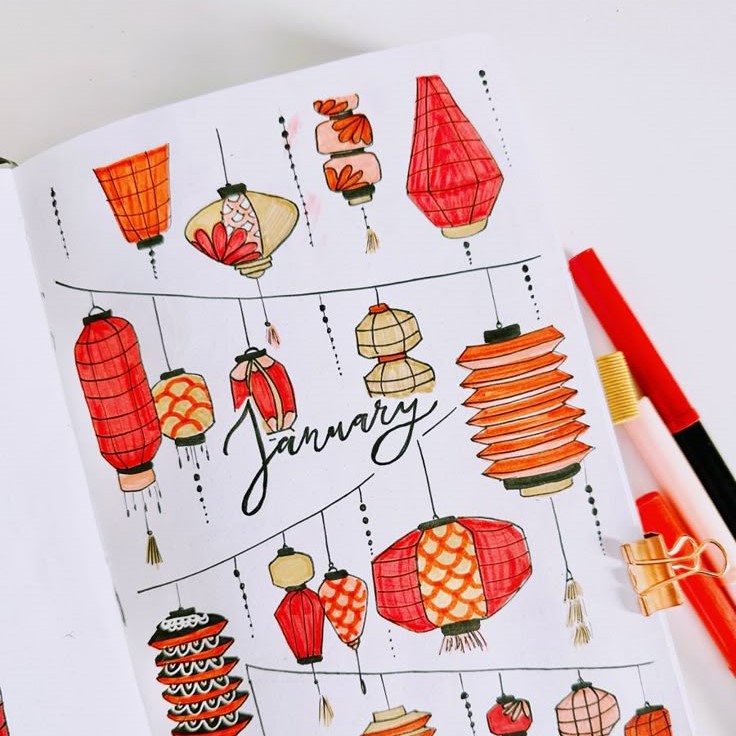
In this article, we will explore the history and symbolism behind Chinese lanterns, delve into techniques for drawing them, and provide tips for incorporating both traditional and modern artistic elements into your artwork. Whether you’re a budding artist or an experienced creator, this guide will inspire you to create stunning lantern drawings that reflect your connection to cultural heritage.
The Cultural Significance of Chinese Lanterns
1. Historical Background
Chinese lanterns have been a part of cultural celebrations for over 2,000 years. Originally used to provide light, they evolved into symbols of celebration and fortune. During the Lantern Festival, families hang lanterns in their homes and communities to guide spirits and signal the arrival of spring. Understanding this historical context adds depth to your drawing process.
2. Symbols of Hope and Joy
Chinese lanterns embody themes of hope, joy, and togetherness. Each lantern is often inscribed with wishes and blessings, representing the light that dispels darkness. As you draw, consider the significance of the lanterns and how they can symbolize your own positive aspirations.
3. Traditional versus Modern Interpretations
While traditional Chinese lanterns typically feature vivid colors, intricate patterns, and cultural motifs, modern interpretations may incorporate innovative designs, materials, and artistic styles. By blending the old with the new, artists can create captivating pieces that resonate with contemporary audiences.
Techniques for Chinese Lantern Drawing
1. Types of Materials
Before starting your drawing, gather all the necessary materials:
Drawing Paper
- Choosing High-Quality Paper
Selecting good quality drawing paper is essential for achieving the best results in your artwork. The texture and weight of the paper can affect how different mediums behave. For instance, heavier paper is often preferred for watercolors to prevent warping, while smooth, lighter paper may work best for pencil sketches. Consider your preferred artistic style and the techniques you plan to use when choosing the right type of paper. - Types of Paper
There are various types of drawing paper available, including sketch paper, watercolor paper, and mixed media paper. Sketch paper is typically thinner and suitable for rough drafts, while watercolor paper is thicker and absorbs moisture effectively. Mixed media paper can handle both wet and dry techniques, providing versatility in your projects. - Size and Format
Additionally, consider the size and format of the paper. Common sizes include A4, A3, and larger sheets for expansive works. If you prefer working in a sketchbook format, ensure that the binding allows for easy access to every page, making it suitable for ongoing projects or travel.
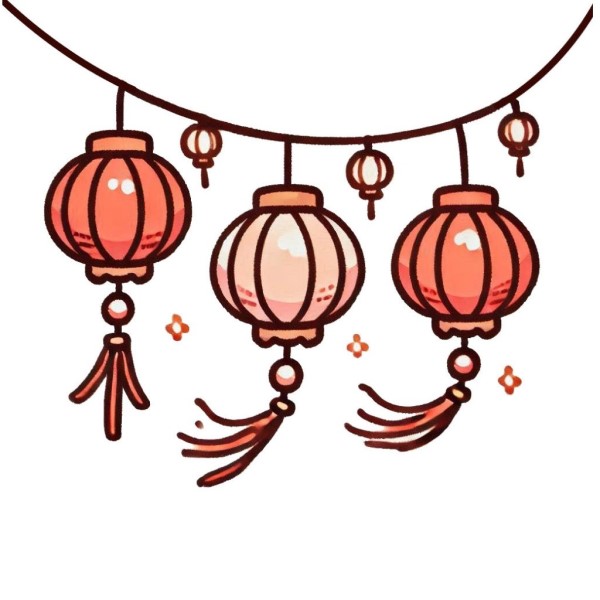
Sketching Tools
- Pencils for Initial Outlines
Use pencils as your primary sketching tools for creating initial outlines and shapes in your drawing. Graphite pencils come in varying hardness levels, ranging from 9H (hard) to 9B (soft). A combination of softer pencils (2B to 6B) is great for creating bold lines, while harder pencils (H or 2H) work well for fine details. - Importance of Erasers
Having a good eraser is crucial for making adjustments to your sketches. A soft vinyl or kneaded eraser can effectively lift graphite without damaging the paper. Using these tools allows you to refine your drawings, providing the flexibility to correct mistakes or enhance details as you progress. - Sketching Techniques
When sketching, don’t be afraid to use light pressure on the pencil for initial shapes and outlines. This technique allows easy erasing without damaging the paper and provides a foundation to build upon with more defined lines or layers.
Inking Tools
- Fine-Tipped Pens or Markers
Inking tools allow you to outline your designs and add depth to your artwork. Fine-tipped pens, such as Micron or Pigma pens, are excellent choices for creating detailed lines and intricate patterns. Their precision makes them suitable for fine artwork, including Chinese lantern designs. - Variety of Ink Types
Consider using a variety of inking tools to achieve different effects in your illustrations. Brush pens can create dynamic line variations, while permanent markers offer bold, vibrant colors. Experimenting with different tools can yield varied results and enhance the overall visual appeal of your designs. - Layering Techniques
As you move to inking, you can layer lines to emphasize certain aspects of your design. Start with lighter outlines and gradually add more detail. This approach creates visually interesting effects and helps to guide viewer attention to vital areas of your artwork.
Coloring Materials
- Colored Pencils
Colored pencils are a popular choice for filling in designs and adding dimension. They come in a wide range of hues and can be layered to create gradients or shading effects. Opt for high-quality colored pencils that provide rich pigmentation for better blending and smoother application. - Watercolors for Fluid Art
Watercolors are an excellent medium to create soft washes and vibrant backgrounds. They allow for a unique blend of colors that can enhance the overall look of your lantern drawings. Remember to use watercolor paper to prevent warping when applying water-based mediums. - Markers for Bold Color
Markers are perfect for achieving bright, uniform colors in your artwork. Alcohol-based markers provide smooth application and are ideal for blending, while water-based markers are easier to work with for younger artists. Choosing the right type of marker depends on your drawing style and desired effects. - Mixing and Blending Techniques
Regardless of the coloring materials you choose, practice mixing and blending techniques. For colored pencils, use circular or back-and-forth motions to blend colors seamlessly. With watercolors, explore wet-on-wet or wet-on-dry techniques to create stunning effects. Mastery of these techniques can elevate your artwork, making your Chinese lantern designs come to life.
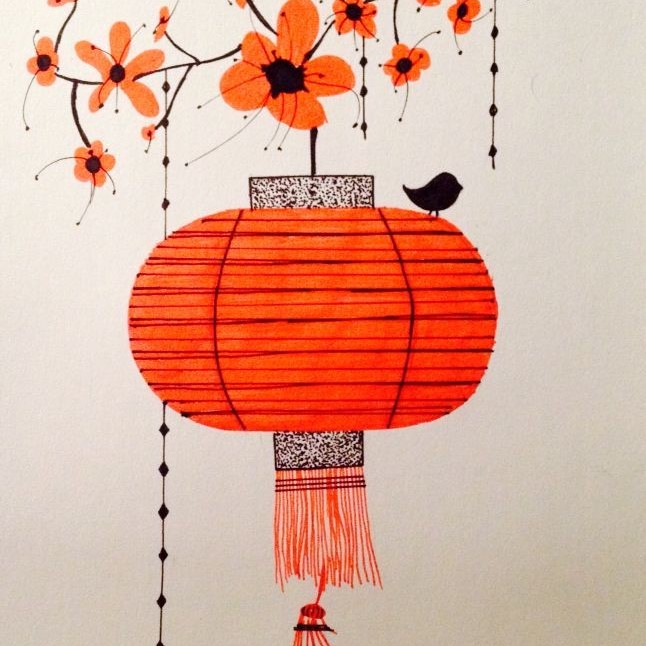
2. Basic Structure
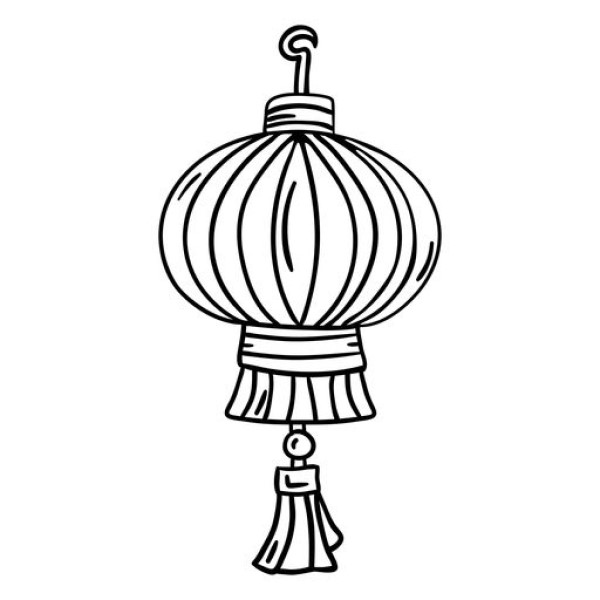
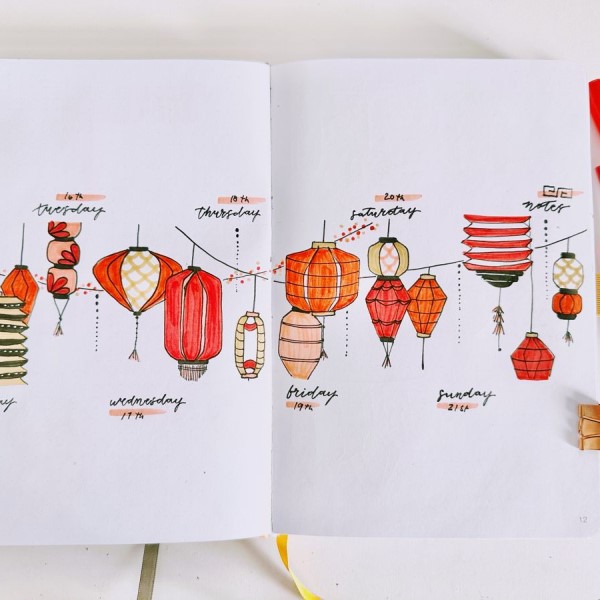
Begin by sketching the basic shape of the lantern. The most common designs include cylindrical or rectangular shapes with rounded edges. Draw lightly so you can easily erase and adjust lines as needed. Ensure that your proportions are balanced to create a visually appealing lantern.
3. Adding Decorative Elements
After establishing the basic structure, start adding decorative details such as patterns, symbols, or motifs commonly found on Chinese lanterns. These may include floral designs, geometric patterns, or significant cultural symbols like dragons or phoenixes. Use reference images for inspiration and strive for intricate designs that make your artwork stand out.
4. Incorporating Color
Next, it’s time to add color to your lantern drawing. Traditional hues like red and gold symbolize good fortune and happiness. However, feel free to experiment with modern color palettes to give your lantern a unique twist. Consider using gradients or blending colors to create depth and visual interest.
5. Highlights and Shadows
To give your drawing a three-dimensional appearance, pay attention to highlights and shadows. Use lighter shades on one side of the lantern to depict light reflecting off its surface. Conversely, apply darker shades on the opposite side to create shadows, enhancing the overall realism of your lantern.
Modern Interpretations of Chinese Lanterns
1. Blending Traditional and Modern Art Styles
Combining traditional lantern designs with contemporary art styles can yield exciting results. For example, incorporating abstract elements or modern patterns can give a fresh perspective on this age-old craft. This fusion allows artists to make personal statements while honoring cultural heritage.
2. Digital Art
With advances in technology, artists can create digital drawings of Chinese lanterns. Digital platforms allow for greater experimentation with colors, styles, and effects. Using software like Procreate or Adobe Illustrator, you can explore animated lantern designs or digital collages that incorporate various artistic elements.
3. Mixed Media
Using mixed media provides opportunities to enhance your lantern drawings. By integrating materials such as fabric, paper cutouts, or even LED lights into your artwork, you can create interactive elements that breathe life into your designs and offer viewers a unique experience.
Crafting Your Own Lanterns
1. DIY Lantern Projects
Drawing can be a great precursor to crafting physical lanterns. Once you’ve created your designs, consider transforming them into real-life lanterns using paper, bamboo, or other materials. Follow your drawings as blueprints to bring your visions to life.
2. Hosting Lantern-Making Workshops
Invite friends and family to join you in crafting Chinese lanterns, combining the art of drawing with hands-on creations. Hosting a community workshop can foster connections and celebrate cultural traditions together, strengthening community ties.
3. Seasonal Celebrations
Coordinate your drawing and crafting projects with upcoming festivals or holidays. Creating lanterns for the Lantern Festival or Mid-Autumn Festival brings added meaning to your artwork and can enhance communal or family celebrations.
Environmental Awareness Through Art
1. Promoting Sustainability
Using eco-friendly materials in your lantern drawing and crafting can promote environmental awareness. Opt for recycled papers, natural dyes, and non-toxic inks to create sustainable artwork. Teaching children about eco-conscious practices during the artistic process instills values of responsibility and respect for the environment.
2. Raising Community Awareness
Art has the power to communicate important messages. By creating lanterns or drawings that reflect global issues such as sustainability or cultural preservation, artists can inspire conversations and raise awareness within their communities. Engage others by sharing the stories and meanings behind your artwork.
3. Celebrating Diversity
Creating and showcasing Chinese lantern drawing allows artists to celebrate cultural diversity. Inviting others to participate in these artistic endeavors fosters an appreciation for different cultures. Emphasizing shared values can create a sense of unity and understanding among people.
Frequently Asked Questions
How to draw a simple Chinese lantern?
To draw a simple Chinese lantern, start with the outline of a cylindrical shape. Add a rounded top and bottom to form the lantern’s body. Then, sketch decorative patterns or symbols on the surface and finish by coloring it with vibrant shades.
What are Chinese lanterns a symbol of?
Chinese lanterns symbolize good luck, prosperity, and the illumination of one’s path. They are commonly used during celebrations to invoke joy and happiness.
What are you supposed to write on lanterns?
People often write wishes, blessings, or meaningful quotes on Chinese lanterns. These messages are typically associated with positive themes, such as health, happiness, and success.
Are Chinese sky lanterns legal?
The legality of Chinese sky lanterns varies by region. Some places have restrictions due to fire hazards and environmental concerns. Always check local regulations before using sky lanterns.
Conclusion
In conclusion, Chinese lantern drawing offers a beautiful intersection of cultural heritage and modern artistry. By exploring traditional techniques and incorporating modern interpretations, artists can create captivating works that celebrate this rich tradition.
As you embark on your journey of creating Chinese lantern drawing, remember the significance behind this craft and how it allows for the expression of creativity. Gather your materials, invite your family to join, and enjoy the process of honoring culture while embracing innovation. Happy drawing, and may your artistic creations bring light and joy to those who behold them!