Introduction
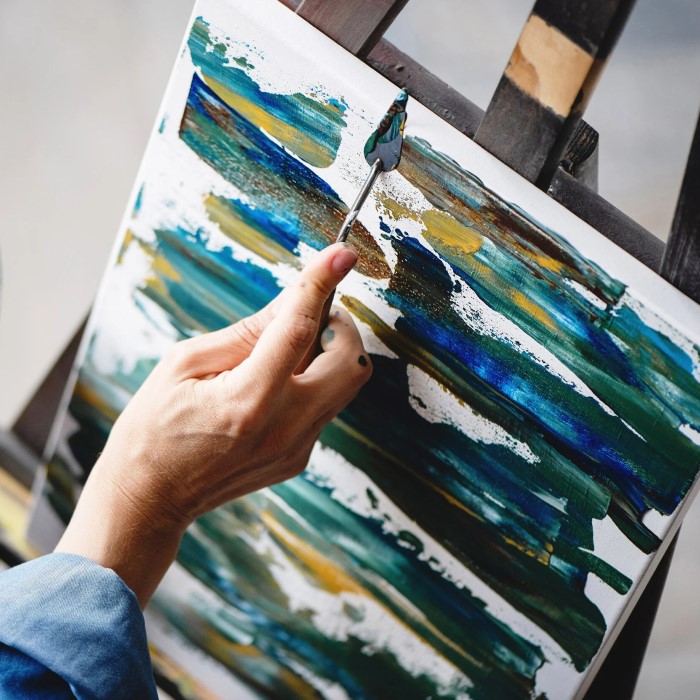
Palette knife art is a revolutionary technique that enables artists to create stunning visuals using a simple yet versatile tool. Unlike traditional brushes, palette knives allow for the application of thick paint in bold strokes. This method opens up new realms of texture and dimension in art. Artists can produce striking pieces that express emotions and ideas through movement and color. As you explore palette knife art, you’ll discover innovative ways to enhance your creativity and transform any canvas into a captivating visual experience.
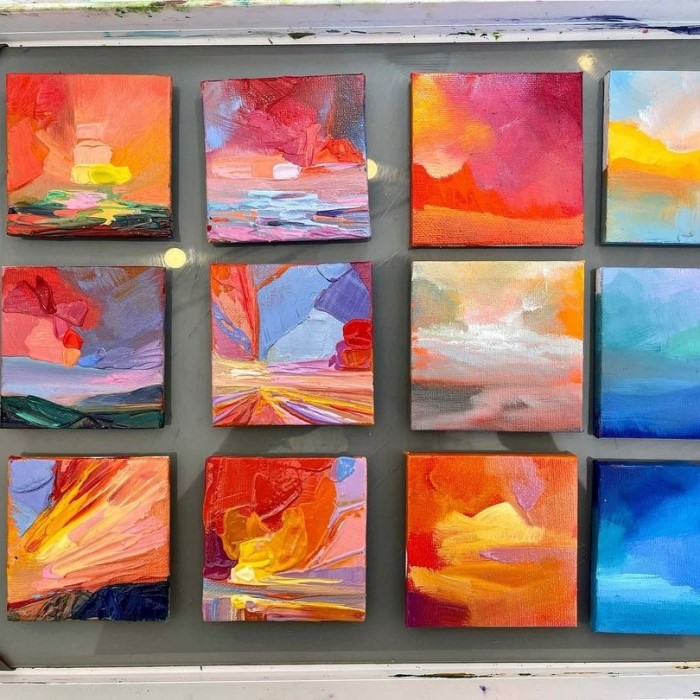
This article will delve into the different techniques of palette knife art, essential tools and tips for beginners, and the unique effects achievable with this method. You will also find answers to frequently asked questions, ensuring you have all the knowledge needed to embark on your palette knife art journey.
Understanding the Palette Knife
What is a Palette Knife in Art?
At its core, a palette knife is a blunt tool with a flexible metal blade, typically used for mixing paint. However, artists have found it to be ideal for applying paint directly onto the canvas. It often features a handle made of wood or plastic, allowing for a comfortable grip while working.
- Versatile Tool: Artists can use palette knives for various applications, including mixing paint on palettes and applying it to surfaces. The unique shape enables intricate details or broader strokes depending on the angle and pressure applied.
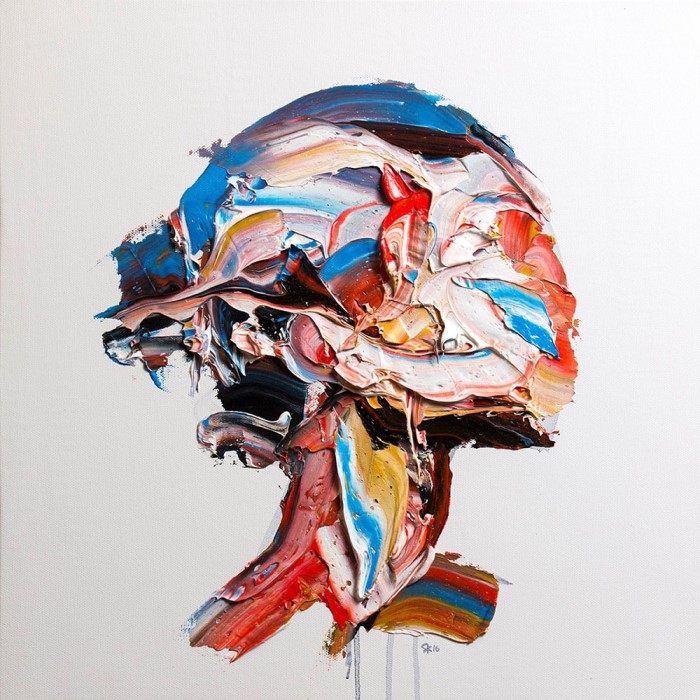
- Creating Texture: One significant advantage of using a palette knife in art is the ability to create texture. The knife’s flexibility allows for dynamic strokes that are not achievable with conventional brushes. As a result, artists can layer paint and create depth, leading to stunning visual effects.
- Unique Styles: Palette knife art can manifest in many different styles. From impressionism to abstract, the techniques allow artists to express their individuality and creativity uniquely.
Essential Techniques
1. Lifting and Scraping
Lifting and scraping are two techniques that significantly enhance the textural quality of your artwork. When using the knife, artists can manipulate the paint on the canvas, yielding varying textures.
- Lifting Techniques: Apply a thick layer of paint and, using the edge of your knife, gently lift some of the paint from the canvas. This action can create highlights or expose the underlying surface.
- Scraping Techniques: Use the palette knife to scrape across dried paint, revealing layers below. This method adds complexity to your artwork, creating a three-dimensional feel.
2. Stabbing and Dabbing
The stabbing and dabbing technique involves quickly applying paint using short, direct motions. This method can produce vibrant textures and dynamic visuals that draw the viewer’s eye.
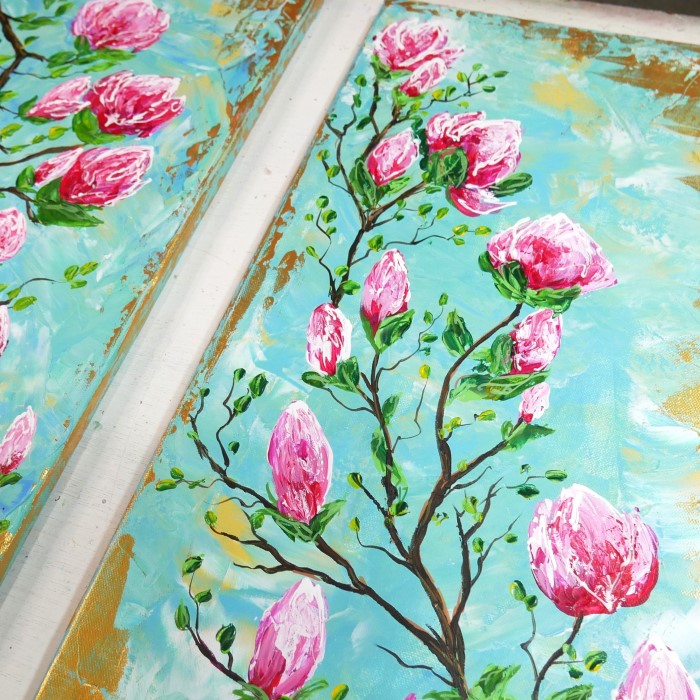
Application Method:
- Load the Palette Knife: Begin by picking up a generous amount of paint on your palette knife. The amount of paint can vary depending on the effect you wish to achieve.
- Quick Dabbing Technique: Approach the canvas and apply the paint in quick, decisive bursts. This rapid application adds energy to your brushwork.
- Creating Distinct Shapes: Each stab of the knife can produce unique shapes and textures, resulting in a rich, tactile quality on the canvas. The variations in pressure and angle can lead to unexpected forms.
Color Mixing:
- Utilizing Multiple Colors: Select a variety of colors and load them onto the same palette knife. This approach allows for an exploration of color dynamics.
- Spontaneous Application: Dab the multicolored knife directly onto the canvas without pre-mixing the colors on a palette. This technique encourages a sense of experimentation and discovery in your work.
- Unique Blends: As the colors interact upon contact with the canvas, they create spontaneous blends and gradients. The result is an organic merging of hues that adds depth and vibrancy to your artwork.
3. Blending and Smoothing
While palette knives are often associated with texture, they can also be used effectively for blending and smoothing.
- Blending Colors: To achieve soft transitions between colors, apply them side by side on the canvas. Use the edge of your palette knife to gently blend where the colors meet, creating a gradient effect.
- Achieving Smooth Finishes: After layering paint, the flat edge of the palette knife can smooth out textures, helping achieve the desired finish of your artwork.
4. Layering Techniques
Layering is a crucial element in palette knife art, allowing for increased depth and richness in color.
- Building Layers: Begin with a base layer of paint and let it dry before adding another layer. This practice enhances the complexity of your work and enables greater control over the final composition.
- Use of Transparency: With transparent paints, layering can produce luminous effects. As you build layers, consider the impact of glazing with your palette knife, allowing for light to play through the colors.
Choosing the Right Materials for Palette Knife Art
1. Types of Paint
The type of paint you choose plays a vital role in the success of your palette knife art.
- Heavy-body Acrylics: These paints are thicker and hold their shape well when applied with a palette knife. They enable bold strokes and maintain texture.
- Oil Paints: Oil paints provide a smooth, buttery texture and allow for excellent blending. They dry slower than acrylics, providing ample working time for palette knife techniques.
2. Selecting the Right Knife
Investing in a variety of palette knives is essential for exploring different techniques.
Different Blade Shapes
- Flat Blades: Flat palette knives feature a straight, broad edge that is ideal for applying large amounts of paint to the canvas. This shape works well for creating smooth, even layers and bold strokes.
- Pointed Blades: Pointed palette knives come to a sharp tip, making them perfect for precise applications. These knives are excellent for detail work, such as creating fine lines, shapes, or intricate designs in your artwork.
- Curved Blades: Curved blades have a gently arched shape that allows for more controlled movements. This design is beneficial for blending colors smoothly or achieving specific textures, such as soft waves or rounded strokes.
- Combination Knives: Some palette knives combine different shapes on a single blade. This versatility allows artists to switch between techniques quickly, making them a practical choice for those who like to experiment.
- Experimentation: Trying out various blade shapes can help you understand how each type interacts with paint and canvas. By experimenting, you will discover which shapes provide the best results for your unique artistic style and desired effects.
- Personal Preference: Ultimately, the choice of blade shape comes down to personal preference. Spend time testing different knives and see which shapes resonate with you as you develop your technique.
Quality is Key
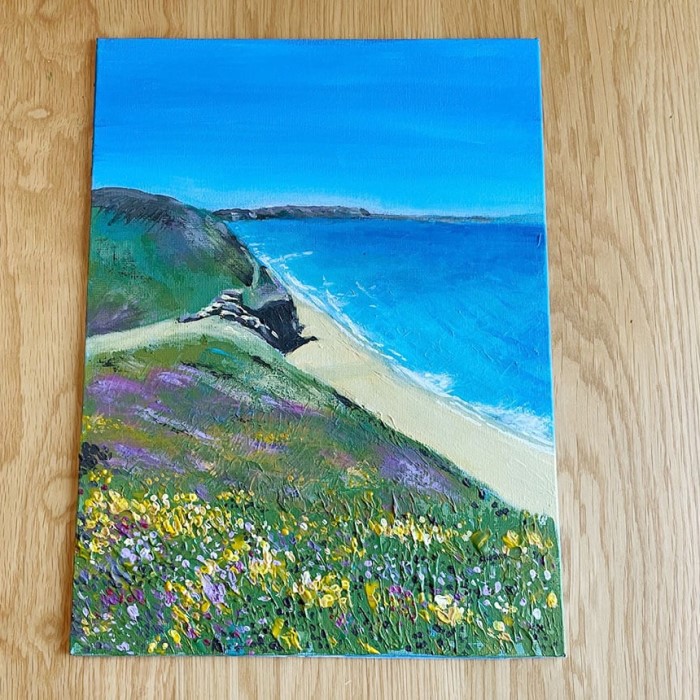
- Material Matters: When selecting palette knives, it is crucial to choose those made from high-quality, flexible metal. A flexible blade ensures better control over paint application and allows for a variety of techniques.
- Durability: High-quality knives are typically more durable and resistant to wear. Investing in well-made knives can prevent fraying and bending, ensuring they maintain their shape over time.
- Comfortable Handles: A sturdy handle is essential for comfort, especially during long painting sessions. Look for handles made from materials such as wood or ergonomically designed plastics that fit well in your hand.
- Grip and Control: The right handle can enhance your grip, providing better control over your movements. This control allows for precision applications and reduces hand fatigue when working on large projects.
- Long-term Use: Investing in high-quality palette knives may have a higher upfront cost but can lead to long-term benefits. Durable tools can provide consistent results over time, reducing the need for frequent replacements.
- Maintenance: Well-made palette knives are easier to clean and maintain. A little care can go a long way in extending the lifespan of your tools, ensuring they remain effective for all your painting endeavors.
Common Challenges and Solutions
Difficulty with Paint Application
Many beginners find it challenging to apply paint smoothly with a palette knife.
- Solution: Start with thicker paints that hold their form better, and try using different knife angles to find what feels most comfortable.
Muddied Colors
Avoiding muddied and dull colors can be tricky when mixing with palette knives.
- Solution: Clean your knife thoroughly between color applications to maintain vibrancy and distinctness.
Lack of Confidence
It’s common for artists to feel uncertain about using a new technique.
- Solution: Give yourself permission to explore without pressure. Start with smaller projects and gradually incorporate more intricate pieces as you gain confidence.
Frequently Asked Questions
What is a palette knife in art?
A palette knife is a blunt, flexible tool used for mixing and applying paint on the canvas. Its design allows artists to create textures and unique effects that brushes cannot achieve.
Is palette knife painting difficult?
Palette knife painting can be challenging but not necessarily difficult. Beginners may need time to learn how to control the knife effectively. With practice, many find it to be an enjoyable and freeing method of expression.
Who are the best palette knife artists?
Many contemporary and historical artists have excelled in palette knife painting. Vincent van Gogh is one well-known figure who utilized palette knives to create his textured masterpieces. Other modern artists who specialize in this technique include David Stribbling and Judith Rinehart.
What kind of paint do you use for palette knife painting?
Heavy-body acrylics and oil paints are ideal for palette knife painting. These types of paint have the right viscosity to create expressive strokes and maintain texture, essential for this art form.
Conclusion
In conclusion, palette knife art presents an extraordinary opportunity to transform your canvas through bold strokes and unique textures. By mastering various techniques—like lifting, scraping, and blending—you can create visually captivating pieces that resonate with viewers. As you embark on your palette knife journey, remember to explore different surfaces, paints, and knives that complement your artistic style.
With practice and experimentation, you will unlock your potential to create stunning artworks that reflect your individuality and flair. Dive into palette knife art and let your creativity take flight on the canvas. Embrace the textures, colors, and emotions that palette knife painting offers, and watch your skills flourish as you become a true master of this expressive art form.