Introduction to Piano Keys
When you ask, “how many keys are on a piano?” you’re delving into a fundamental aspect of this iconic instrument. The standard modern piano has 88 keys, which consist of 52 white keys and 36 black keys. This configuration has become a standard in the world of piano music, influencing composers, performers, and students alike. Understanding how many keys are on a piano not only enhances your appreciation for this musical instrument but also sheds light on its history and evolution.
Overview of Piano Key Count
Pianos vary in the number of keys they feature. The standard modern piano typically includes 88 keys. These consist of 52 white keys and 36 black keys. White keys represent the main notes, while black keys correspond to sharps and flats.
Smaller pianos, such as portable keyboards, can have fewer keys. Some have 76, 61, or even 49 keys. These are designed for specific uses, such as travel, learning, or casual playing. Grand and upright pianos generally adhere to the 88-key standard.
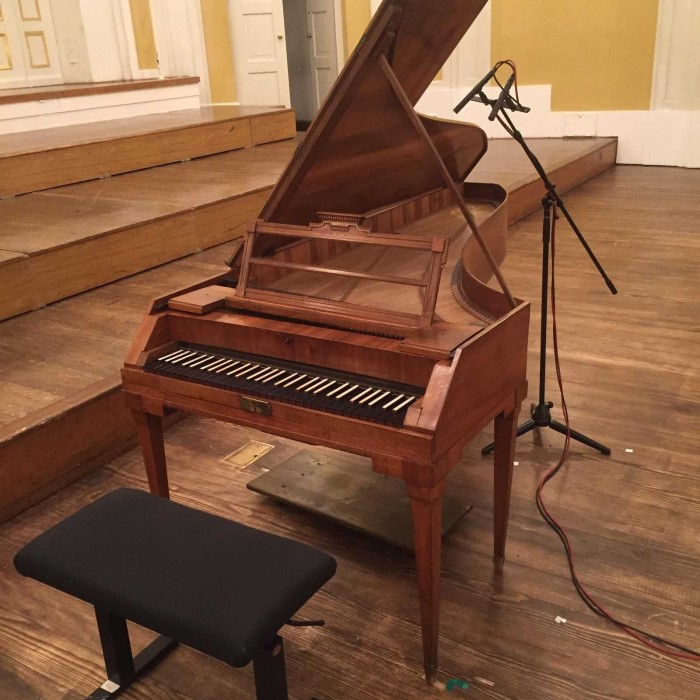
Early pianos had fewer keys compared to modern versions. Over time, manufacturers have adjusted the key count to accommodate musical demands. The development reflects changes in piano design and musical compositions.
Understanding piano key counts is essential for choosing the right instrument. Knowing key layout and range will guide both beginners and professionals in their selection. The right key count can impact the repertoire and playing comfort.
Standard Piano Key Configurations
How many keys are on a piano? Different pianos come with varied key configurations. The number of piano keys impacts the instrument’s versatility and appeal to different users.
88-Key Pianos
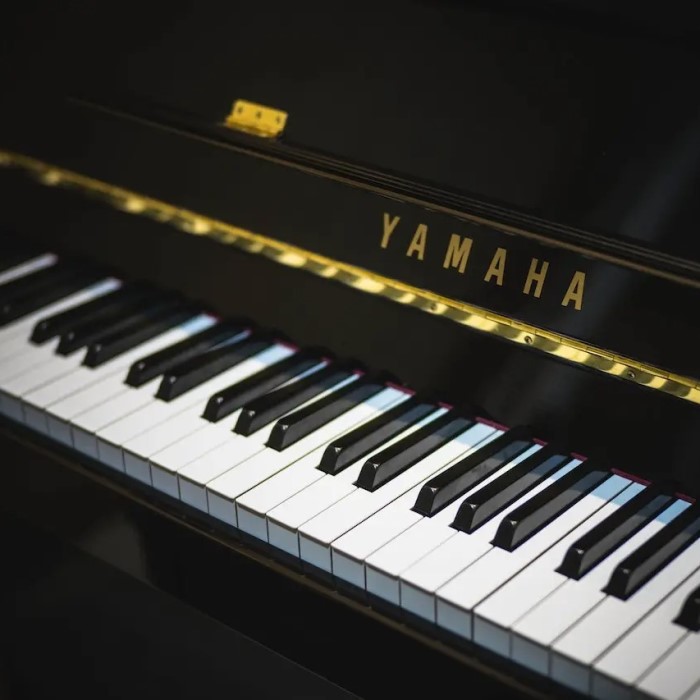
The 88-key piano is the modern standard for acoustic and digital pianos. It includes 52 white keys and 36 black keys, forming seven octaves and three additional lower notes. This configuration is ideal for playing classical, jazz, and contemporary music. It allows musicians to access a wide range of notes and perform complex compositions.
Professional pianists prefer 88-key pianos for their full range of sound. Many grand and upright pianos feature this setup, making it a universal choice for advanced musicians. The 88 keys offer balance and precision while playing, providing accurate tonal quality.
Variations in Key Counts
Some pianos and keyboards have fewer keys than the standard 88-key piano. Smaller options like 76, 61, or 49 keys are common in portable keyboards. These are designed for beginners, travelers, or casual players. These variations are lightweight and easier to carry.
Digital pianos with fewer keys cater to budget-conscious buyers. They focus more on simplicity and ease of use. Additionally, fewer keys can be ideal for learners working on basic melodies and chords.
However, reduced key counts limit the range and complexity of compositions. Musicians must consider their needs for practice and performance before choosing these variations.
History of Piano Key Evolution
How many keys are on a piano? Piano key counts have evolved significantly over centuries. Early pianos often featured fewer keys, typically ranging between 49 and 62 keys. These instruments catered to the musical styles and compositions available at the time, which did not require a broader range.
Early Pianos
In the 1700s, the first pianos were invented by Bartolomeo Cristofori. They had around 54 keys. These early designs were fairly simple, focused on replacing harpsichords. Early composers composed music that matched these limited key ranges.
As the demand for expressive music grew, new designs emerged. Makers began expanding the keyboard to accommodate broader musical compositions.
Expansion of Key Counts
The 1800s marked a turning point in piano development. Piano makers like Steinway & Sons introduced larger keyboards with more keys. This expansion supported composers like Beethoven, Chopin, and Liszt. By the late 19th century, the 88-key piano became the standard.
Manufacturers added more octaves to align with evolving musical needs. This change allowed dynamic melodies, deeper bass tones, and richer harmonies.
Modern Designs
Today, the standard piano includes 88 keys—52 white and 36 black. Digital pianos offer flexible key variations, including 76, 61, or 49 keys. These modern options serve different purposes, such as practicing or portability.
The evolution of piano key counts represents the progression of music itself. Complex compositions demanded greater range and functionality in instruments. Understanding this history helps pianists appreciate both the instrument and its adaptability.
The Purpose of Piano Keys and Their Range
How many keys are on a piano? Piano keys serve to produce melodic and harmonic sounds. They are the core of the instrument’s functionality. Each key represents a specific musical note that contributes to the instrument’s versatility.
Musical Expression
Piano keys allow musicians to express emotion through music. The wide range of keys enables dynamics, variations in tone, and intricate compositions. The 88 keys in standard pianos offer a balanced palette for creating music, from soft melodies to powerful symphonies.
Range of Notes
The piano’s range spans seven octaves and three lower notes. This breadth can encompass almost every musical piece. Musicians can play high-pitched tunes or deep bass notes with ease, making the piano a diverse instrument.
Adaptability for Genres
Different musical genres require specific ranges. Classical music often uses the piano’s full range, while jazz and pop can rely mostly on mid-range keys. This adaptability ensures that the piano remains a favorite across musical styles.
Importance for Learners and Professionals
For beginners, understanding the purpose and range of piano keys is fundamental. It helps them grasp the structure of musical scales and chords. For professionals, mastering the range allows for full creativity and precision during performances.
Key Layout and Learning
The division of black and white keys simplifies note identification. Black keys represent sharps and flats, while white keys denote natural notes. This structured layout aids in learning and developing playing techniques effectively.
Understanding the purpose and range of piano keys is crucial for all musicians. It aligns their skills and music preferences with the appropriate keyboard design, enabling better learning and performance experiences.
Comparison Between Acoustic and Digital Pianos
Acoustic and digital pianos cater to different preferences, needs, and playing styles. Here is a comparison to help you understand their key differences and benefits:
Acoustic Pianos
- Sound Quality: Acoustic pianos produce rich, natural tones from strings and hammers. The sound is often considered warmer and fuller.
- Build and Materials: Made from high-quality wood and metal strings, acoustic pianos are durable but heavy.
- Touch and Feel: Acoustic pianos offer authentic key resistance. The weight changes based on the action inside.
- Tuning Needs: Acoustic pianos need regular tuning, usually every 6-12 months, to maintain their sound quality.
- Longevity: With proper maintenance, acoustic pianos can last for decades, even centuries.
- Cost: High-quality acoustic pianos often cost significantly more than digital ones.
Digital Pianos
- Sound Quality: Digital pianos use electronic sound samples. Though realistic, it may lack some natural warmth.
- Portability: Digital pianos are lighter and easier to move. They are ideal for students or smaller spaces.
- Maintenance: Digital pianos require no tuning and minimal maintenance compared to acoustic ones.
- Features: Many digital pianos have adjustable sound settings, recording options, and headphone support.
- Price Range: Digital pianos are usually more affordable, with options for every budget.
- Versatility: They are excellent for practicing quietly at home or learning via integrated tutorials.
Key Count Differences
- Acoustic Pianos: Most acoustic pianos have 88 keys as a standard configuration. This gives a wide range for professionals.
- Digital Pianos: Key counts vary. Beginners might prefer 61- or 76-key models for simplicity and affordability.
Choosing Between the Two
- Beginners may prefer digital pianos due to affordability and additional features like tutorials.
- Professionals and classical music enthusiasts often choose acoustic pianos for their tonal superiority.
- Space and portability can inform the decision, especially for travel or smaller homes.
Understanding the differences between acoustic and digital pianos will guide your purchase. Evaluate sound, features, and key counts to make the best choice for your needs.
How Different Piano Key Counts Impact Playability
The number of keys on a piano directly influences its playability. Each key adds to the range of notes.
- 88-Key Pianos: These provide the full range of seven octaves and three extra notes. This makes them suitable for performing complex music compositions. Advanced pianists prefer these because they allow for a wide variety of musical expression. Classical, jazz, and contemporary pieces often require this range. The 88 keys also let players practice and perform professional-level music comfortably.
- 76-Key Pianos: These are slightly more compact and omit one octave. They are lighter and easier to move around. This makes them appealing for travelers or musicians with space constraints. Though they lack the lowest and highest notes, 76-key pianos still support most modern genres.
- 61-Key Pianos: These limit the overall range to five octaves. They are ideal for beginners since they simplify piano learning. Casual players also enjoy these due to their portable and easy-to-use nature. However, the lack of keys might restrict possibilities for playing advanced compositions.
- 49-Key Pianos: These are the smallest and typically have just over four octaves. Music students often use them for learning basic melodies and scales. They work best for children due to their smaller size. However, they are not suitable for professional play due to their limited range.
Limitations of Fewer Keys
Fewer keys limit the versatility of the piano. Some musical pieces cannot be played without the full range. Additionally, the absence of certain notes might challenge creativity for professional musicians. Students may outgrow smaller keyboards quickly, requiring an upgrade.
Matching Key Counts to Player Needs
Selecting the right key count depends on playing goals and skill levels. Beginners can start with smaller keyboards before moving to larger ones. Intermediate and professional players should choose 88-key pianos for full flexibility. Travelers, hobbyists, and space-conscious buyers might prefer smaller, portable models.
Tips for Choosing the Right Piano Key Count
Choosing the right piano key count depends on your needs, skill level, and goals. Here are some practical tips to help you decide:
- Consider Your Experience Level:
- Beginners: A 61-key keyboard is a great starting point. It focuses on basic melodies and scales.
- Intermediate learners: A 76-key piano offers more versatility, helping to expand your skills.
- Professionals: Opt for a full-sized 88-key piano for maximum range and expression.
- Think About Your Musical Goals:
- If you aim to play complex, classical music, choose an 88-key piano.
- Hobbyists or casual players can use smaller keyboards like 49 or 61 keys.
- Evaluate Portability Needs:
- For travel, portable keyboards with 49–76 keys are lighter and easier to carry.
- Full-sized acoustic or digital pianos are less portable but better for performances.
- Check Space Availability:
- For small apartments, choose compact pianos with fewer keys.
- Large living spaces can accommodate bigger, full-size acoustic pianos.
- Match Your Budget:
- Full 88-key pianos are more expensive. Digital keyboards with 61 or 76 keys cost less.
- Look for compromises between cost and key count when buying your first piano.
- Music Style Preferences:
- Classical and jazz often require 88 keys for their wide range.
- Pop or modern music can be played on fewer keys, such as 61 or 76.
- Future Growth:
- Plan for progress. Beginners may want to upgrade to a larger piano as they improve.
- If you’re committed to the long term, investing in 88 keys can be a better choice.
- Try Before You Buy:
- Test different key sizes and configurations in-store.
- Choose what feels most comfortable and suitable for your style.
Taking these factors into account can guide you to the best piano for your journey. The right piano will enhance both your learning experience and playing enjoyment.
Rare Pianos with Unique Key Configurations
While most pianos have standard key counts, some rare models showcase unique configurations. These exceptional instruments often cater to specific musical needs or represent experimental designs. Let’s explore some notable examples:
Historical Pianos with Fewer Keys
- Early Keyboard Instruments: Early pianos made in the 1700s by Bartolomeo Cristofori featured only 54 keys. They were tailored to simpler compositions of the period.
- Viennese Fortepiano: Popular during the Classical era, these pianos typically had 61 or fewer keys. Composers like Mozart wrote music that matched their limited range.
Extended Range Pianos
- B?sendorfer Imperial Grand: This piano includes 97 keys, offering an extended range. Its bass tones are deeper and fuller compared to the standard 88-key piano.
- Stuart and Sons Piano: Some Stuart and Sons models feature up to 102 keys. Musicians use these to explore new sound possibilities and compositions.
Experimental and Custom Designs
- Microtonal Keyboards: Certain pianos have microtonal keys, adding more notes between the standard tones. These are used for creating unique soundscapes in modern music.
- Artistic Custom Pianos: Artists and craftsmen design pianos with distinctive key patterns or layouts. These can include irregular numbers of keys for aesthetic or functional reasons.
Purpose of Unique Configurations
- Special Musical Needs: Composers use unique pianos to create music beyond standard ranges.
- Rare Sonic Effects: Extended or microtonal pianos allow musicians to experiment with new tonal possibilities.
Limitations
- Uncommon key counts may limit accessibility for standard piano repertoire.
- These unique designs are often more expensive and harder to find.
Rare pianos highlight the constant innovation in the world of musical instruments. They reflect the creativity of both piano makers and musicians. While they may not be practical for all players, they showcase remarkable artistry and experimentation in piano design.
Conclusion: The Significance of Understanding Piano Key Numbers
In conclusion, understanding “how many keys are on a piano” is pivotal for anyone interested in mastering this magnificent instrument. With 88 keys, a piano provides a vast musical landscape for creativity and expression. This knowledge not only contributes to learning and performance but also deepens appreciation for piano music’s historical context and theoretical foundations.
Whether you’re a beginner or a seasoned musician, the number of keys on a piano affects the way you engage with music. Knowing the difference between various piano types helps make informed decisions regarding instrument purchase or rental. Embrace the rich world of music that the piano offers, and let the number of keys inspire your musical journey.