Introduction to Fountain Pen Writing
Writing with a fountain pen is an art form that evokes a sense of elegance and tradition. It combines craftsmanship, style, and personal expression. In this article, we’ll explore how to write with a fountain pen, taking you through every essential aspect from the pen’s anatomy to unique writing techniques. Whether you’ve recently acquired your first fountain pen or you’re looking to refine your existing skills, understanding how to master this timeless writing instrument can enhance your writing experience immensely.

Choosing the Right Fountain Pen
How to write with a fountain pen? The right fountain pen can improve your writing experience and comfort. It is important to find one that suits your needs and writing style. Understanding the types and leading brands will help you make the best choice.
Types of Fountain Pens
- Cartridge Fountain Pens: These pens use pre-filled ink cartridges for convenience. They are great for beginners.
- Converter Fountain Pens: These let you refill ink manually using bottled ink. Ideal for customization enthusiasts.
- Piston or Plunger Fountain Pens: These pens have built-in systems for ink refilling. They can store more ink.
- Eyedropper Fountain Pens: You fill ink directly into the barrel. These pens hold large amounts of ink.
Each type has its pros and cons. Consider your preferences—ease of use, ink capacity, and maintenance—when choosing.
Best Brands and Models
- Parker Pens: Known for durability and sleek designs. Great for both beginners and experts.
- Pilot Pens: Affordable and reliable. Popular models like Pilot Metropolitan suit various writing styles.
- Lamy Pens: Famous for innovative designs. The Lamy Safari is a top choice for newcomers.
- Montblanc Pens: Luxury pens offering exceptional quality and craftsmanship.
- Kaweco Pens: Compact and portable pens. Their sport series is widely admired.
When selecting a brand or model, focus on affordability, functionality, and personal style. A quality pen will provide smooth writing and long-lasting satisfaction.
Knowing pen types and top brands ensures a well-informed purchase. Choose wisely to make the most of your writing experience!
Understanding Fountain Pen Mechanics
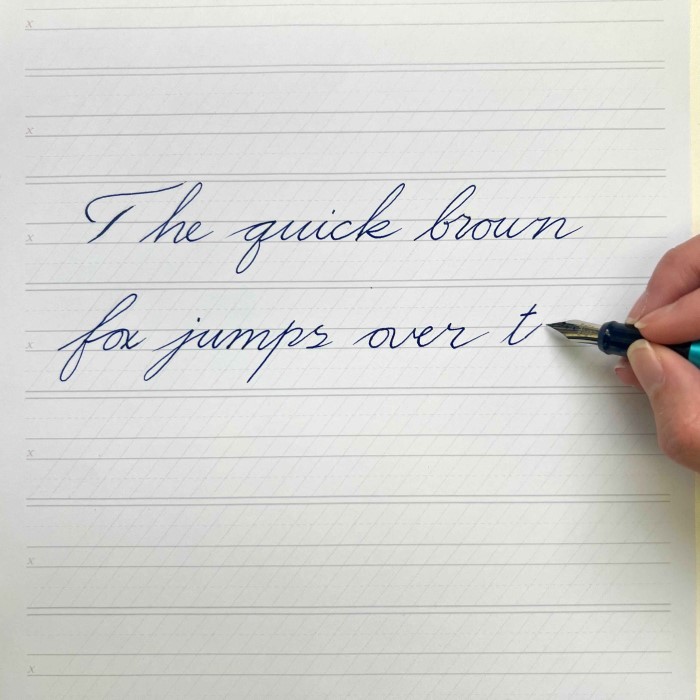
How to write with a fountain pen? Understanding the mechanics of a fountain pen helps enhance your writing experience. Knowing how a pen works ensures proper usage and maintenance. Additionally, familiarizing yourself with its parts can make troubleshooting and repairs easier.
How Fountain Pens Work
Fountain pens work through a simple yet efficient ink delivery system. Here’s how:
- Capillary Action: Ink flows from the reservoir to the nib through capillary action. This ensures a smooth and consistent ink flow while writing.
- Reservoir or Cartridge: The ink is stored in a cartridge, converter, or built-in reservoir.
- Feed Mechanism: The feed regulates ink flow to the nib, preventing overflow or gaps.
- Nib Design: The nib transfers ink onto paper with precision and control. Different nib sizes create varying stroke widths.
- Breather Hole: The breather hole on the nib balances air pressure, maintaining smooth ink flow.
Each element of a fountain pen works in harmony. Understanding this process ensures a better grasp of the tool.
Parts of a Fountain Pen
Knowing the parts of a fountain pen is essential for proper use and maintenance. Here are the main components:
- Nib: The tip of the pen that writes on paper. Comes in different materials and sizes.
- Feed: Located under the nib, it channels the ink from the reservoir to the nib.
- Breather Hole: Found on the nib, it helps regulate ink flow and air pressure.
- Grip Section: The area where you hold the pen. Offers comfort and control during writing.
- Ink Reservoir: Stores ink inside the pen. Can be a cartridge, converter, or built-in piston system.
- Barrel: Covers the ink reservoir and provides the main body of the pen.
- Cap: Protects the nib and prevents the ink from drying out when not in use.
Understanding these parts allows you to properly assemble and care for your fountain pen. This knowledge also helps in troubleshooting issues and ensuring the longevity of your pen.
By learning the mechanics and parts of a fountain pen, you build a solid foundation for writing mastery. Proper understanding and care will bring the best out of your writing instrument.

Selecting the Right Ink
Choosing the right ink is as important as selecting your fountain pen. Different inks impact your writing experience, from color to flow. Understanding ink types and refilling tips will help you make informed choices.
Types of Fountain Pen Ink
Fountain pen ink comes in various types and formulations. Here are the common kinds:
- Dye-Based Ink: This is the most common type. It offers vibrant colors and flows smoothly. However, it is not waterproof and can fade over time.
- Pigmented Ink: This type contains solid pigments. It is durable and water-resistant but may clog pens if not cleaned regularly.
- Iron Gall Ink: Traditionally used for official documents, it is waterproof and long-lasting. It can be corrosive on some materials, so use it carefully.
- Shimmering Ink: Adds glittery effects to your writing. These inks are great for calligraphy but require thorough pen cleaning.
- Scented or Specialty Ink: Offers unique features like fragrance or quick-drying. These are more for enthusiasts and special purposes.
Select ink based on your needs, such as durability, vibrant colors, or special effects.
Tips for Ink Refilling
Refilling your fountain pen ink requires care to avoid spills and damage. Follow these tips for an efficient process:
- Choose the Right Ink: Use ink recommended by your fountain pen’s manufacturer to ensure compatibility.
- Work in a Clean Area: Avoid ink spills by working on a covered or easy-to-clean surface.
- Use Proper Tools: Use an ink syringe or dropper for manual filling pens. Avoid overfilling.
- Follow Instructions: Read the pen’s manual to understand its specific filling mechanism.
- Clean Regularly: Clean your pen’s nib and feed when switching ink colors to avoid clogging.
- Store Ink Properly: Keep ink bottles tightly sealed and away from direct sunlight.
Refilling ink correctly ensures smooth writing and maintains your pen in excellent condition.
Understanding ink types and refilling techniques enhances your fountain pen experience. The right ink can transform your writing style and support creative expression.
Writing Techniques for Fountain Pens
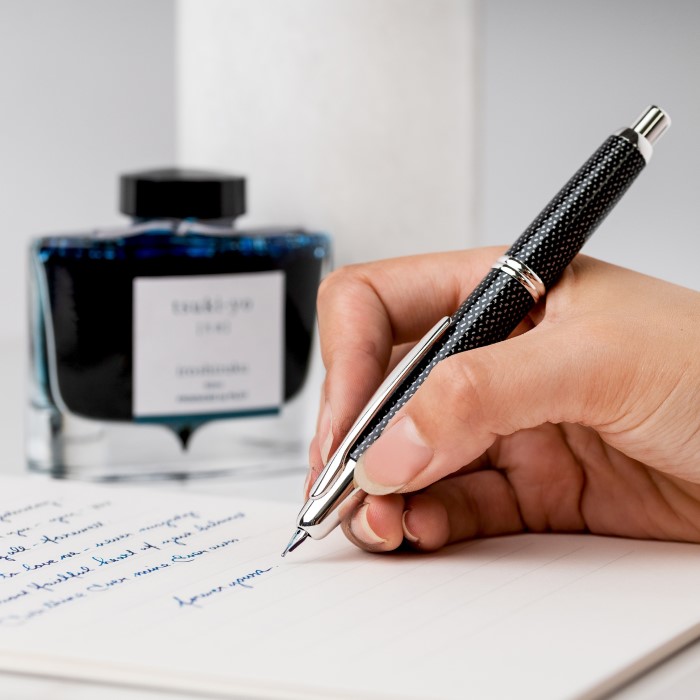
Writing with a fountain pen requires proper techniques to bring out the best in your handwriting. By mastering these techniques, you’ll enhance your writing comfort and achieve smoother, more elegant strokes.
How to Hold a Fountain Pen
Properly holding your fountain pen is crucial for achieving precise strokes. Follow these steps:
- Grip Lightly: Hold the pen gently between your thumb and index finger. Avoid gripping too tightly.
- Rest on Fingers: Let the pen rest on your middle finger for stability and support.
- Angle the Pen: Position the pen at a 40-55 degree angle to the paper. This allows for smooth ink flow.
- Avoid Pressing Down: Allow the pen’s weight to dictate the pressure. Avoid pushing the nib forcefully onto paper.
- Ensure Balance: Hold the pen closer to the nib for better control or farther back for relaxed writing. Adjust to find your comfort zone.
These adjustments help prevent strain and allow the pen to function correctly, keeping ink flow smooth.
Writing Pressure and Control
Fountain pens are designed to create the best results with minimal pressure. Practice the following:
- Light Pressure: Let the pen glide across the page without forcing it. Heavy pressure can bend the nib.
- Even Strokes: Use consistent, light pressure to ensure even ink flow and stroke thickness.
- Relax Your Grip: Relax your hand and focus on steady movements. This avoids fatigue.
- Control Your Speed: Slow, deliberate strokes help maintain rhythm and prevent inconsistent ink flow.
Practicing with light pressure and controlled pace will preserve your pen and make your writing look elegant.
Improving Handwriting with Fountain Pens
Fountain pens naturally encourage better handwriting due to their design. To improve further:
- Start with Basic Strokes: Practice straight lines and curves to develop control over the pen.
- Focus on Consistent Shapes: Pay attention to uniform letterforms and spacing between words.
- Use Lined Paper: It helps maintain alignment and proportions in your writing.
- Experiment with Nib Sizes: Try different nib widths to find what suits your handwriting style best.
- Practice Regularly: Write a few sentences or journal entries daily to build muscle memory.
A fountain pen is an excellent tool for refining your handwriting style. Frequent practice and patience yield the best results.
Caring for Your Fountain Pen
Proper care is essential for extending the life of your fountain pen. Regular maintenance and proper storage ensure the pen remains in optimal condition, delivering smooth writing experiences for years.
Cleaning and Maintenance
Keeping your fountain pen clean and well-maintained improves its performance. Follow these steps for an efficient cleaning routine:
- Flush the Pen Regularly: Rinse the pen with lukewarm water to remove dried ink. Don’t use hot water.
- Disassemble Carefully: Take apart the parts, including nib and cartridge, gently to avoid damage.
- Use Pen Cleaning Solutions: Use specially-made cleaning solutions for stubborn ink stains.
- Avoid Overcleaning: Clean every few weeks or after changing ink types. Don’t clean excessively.
- Dry Thoroughly: Air-dry the parts completely before reassembling to prevent mold or rust.
- Inspect for Wear and Tear: Check parts for damage, such as nib cracks or loose seals, during cleaning.
Regular maintenance ensures consistent ink flow and prevents clogging or corrosion. Make cleaning a habit for smooth writing.

Storage Tips
Proper storage prevents damage and keeps your pen ready for use. Follow these storage tips:
- Use a Pen Case: Store your pen in a protective case to avoid scratches or dust.
- Keep Upright: Store the pen vertically, nib-up, to prevent ink leakage.
- Avoid Harsh Environments: Keep pens away from extreme heat, sunlight, or humidity.
- Do Not Store Inked Pens Long-Term: Empty ink reservoirs if storing for extended periods to avoid clogs.
- Separate from Other Stationery: Prevent scratches by storing separately from other sharp objects.
- Handle with Care: Avoid dropping or shaking the pen excessively to preserve its integrity.
Maintaining and storing your fountain pen correctly enhances its longevity and performance. A cared-for pen will continue to offer a delightful writing experience every time.
Common Beginner Mistakes and How to Avoid Them
Writing with a fountain pen requires some practice and care. Beginners often face challenges that can hinder their experience. By understanding these common mistakes, you can ensure a smoother journey into the world of fountain pens.
Troubleshooting Fountain Pen Issues
If your fountain pen is not working as expected, follow these steps to troubleshoot:
- Check the Ink Supply: Ensure there’s enough ink in the cartridge or reservoir. Refill if it’s empty.
- Inspect the Nib: Look for damage, such as misalignment or cracks. Gently realign if necessary.
- Clean the Pen: Dried ink can block the feed. Flush the pen with lukewarm water to remove clogs.
- Examine the Feed: Make sure the feed is clean and properly aligned with the nib.
- Check Airflow: Ensure the breather hole is clear. This allows consistent ink flow.
If issues persist, consult a professional repair service or the pen manufacturer for guidance.
Overcoming Ink Flow Problems
Ink flow is crucial for a seamless writing experience. Address common ink flow issues by:
- Avoiding Cheap Paper: Low-quality paper can cause ink to feather or bleed excessively.
- Using the Right Ink: Use a compatible ink type for your pen to avoid clogs or poor flow.
- Storing Pens Correctly: Store your pen nib-up to prevent ink from pooling or leaking.
- Writing at the Right Angle: Always hold the pen at a 40-55 degree angle for smooth ink distribution.
- Tackling Dry Nibs: If the nib dries out, gently moisten it with water to restart the ink flow.
Preventing ink flow problems requires regular cleaning and selecting appropriate writing tools and materials.
Avoiding common mistakes and learning quick troubleshooting ensures a better fountain pen experience. With these tips, even beginners can enjoy smooth and hassle-free writing.
Benefits of Writing with a Fountain Pen
How to write with a fountain pen? Writing with a fountain pen provides more than just a functional purpose—it enhances your experience. It promotes stylish expression and improves the joy of writing. Discover the distinct advantages of using a fountain pen for your writing needs.
Elegance and Personal Style
Fountain pens add a touch of sophistication to your writing experience. The feel of writing with a fountain pen offers elegance and authenticity. Their unique designs allow users to express personal style beautifully. Here are key reasons why fountain pens symbolize elegance and individuality:
- Customizable Nibs: Fountain pens feature varying nib sizes for personalized strokes and letterforms.
- Artisan Designs: Many brands design pens with handcrafted bodies, showcasing artistry and uniqueness.
- Ink Choices: Numerous ink colors and types allow you to match your pen with your personality.
- Timeless Appeal: The craftsmanship reflects luxury and class, making a memorable impression.
Fountain pens become a personal statement through their distinct designs and adaptable features.
Enhancing Writing Experience
Writing with a fountain pen delivers a tactile, rewarding experience. Here’s how these pens stand out:
- Smooth Writing: The nib glides seamlessly, creating fluid, uninterrupted writing.
- Reduced Hand Strain: Minimal pressure helps avoid hand fatigue during long writing sessions.
- Encourages Mindful Writing: The ease of use promotes slower, more thoughtful writing.
- Quality Materials: Materials like gold nibs and durable barrels enhance the comfort of writing.
- Longevity: A well-maintained fountain pen lasts for years, unlike disposable pens that run out quickly.
By using a fountain pen, you’re investing in both craftsmanship and an enhanced writing journey. You’ll find the act of writing more engaging and satisfying.
The benefits of writing with a fountain pen go beyond practicality or style. It enriches creativity, enhances focus, and creates an enjoyable writing practice. Begin your journey with a fountain pen and transform the way you write.
Tips for Mastering Fountain Pen Writing
How to write with a fountain pen? Mastering fountain pen writing takes patience, practice, and experimentation. By adopting the right habits and tools, you can refine your skills and gain confidence in your handwriting.
Practicing Daily
Practicing daily enhances your control and familiarity with a fountain pen. Here’s how to build a routine:
- Set a Time: Dedicate 10–15 minutes daily for practice. Consistency is key.
- Start Simple: Practice basic strokes like straight lines, loops, and curves.
- Write Journals or Notes: Use your pen to write lists, journals, or even letters.
- Focus on Form: Pay attention to proper pen grip and posture while writing.
- Challenge Yourself: Try new handwriting styles or copy your favorite fonts.
- Track Improvements: Compare your writing weekly to see progress.
Daily writing helps you develop muscle memory and improve your penmanship over time.
Experimenting with Nibs and Paper
Trying different nibs and paper styles can refine your writing experience. Here are some tips:
- Test Various Nibs: Try fine, medium, or broad nibs to discover what suits your writing style.
- Experience Flexibility: Experiment with flex nibs to create unique line variations for calligraphy.
- Use Quality Paper: Invest in fountain pen-friendly paper to prevent feathering or bleed-through.
- Explore Paper Types: Try grid, lined, and plain paper to see what enhances your control.
- Test Different Inks: Match inks with paper to find the right flow and texture.
- Adjust Grip Pressure: Experiment with lighter or heavier grips to discover what feels natural.
Switching tools and materials introduces new possibilities, enhancing creativity and precision.
Combining daily practice and experimenting with materials puts you on the path to fountain pen mastery. Enjoy the process as you refine your technique and discover your distinctive writing style.
Conclusion: Mastering the Art of Writing with a Fountain Pen
In conclusion, learning how to write with a fountain pen is a rewarding journey that combines skill, technique, and care. With an understanding of the pen’s anatomy, proper ink filling, effective writing techniques, and the right materials, you are well on your way to master this beautiful art. Embrace the elegance that a fountain pen brings to your writing, enriching your experience and personal expression. Remember, the more you practice, the more you will master the art of writing with a fountain pen. Enjoy the process, and let your words flow smoothly onto the page!