The Enduring Spiritual Power of Sacred Art
Art has always served as a bridge between the physical and the spiritual realms. For centuries, believers have used visual imagery to deepen their understanding of divine mysteries. Catholic paintings specifically hold a unique position in this tradition. They do much more than merely decorate a wall. Indeed, they act as silent preachers that communicate profound theological truths without words. When you enter a room adorned with sacred art, you immediately sense a shift in the atmosphere.
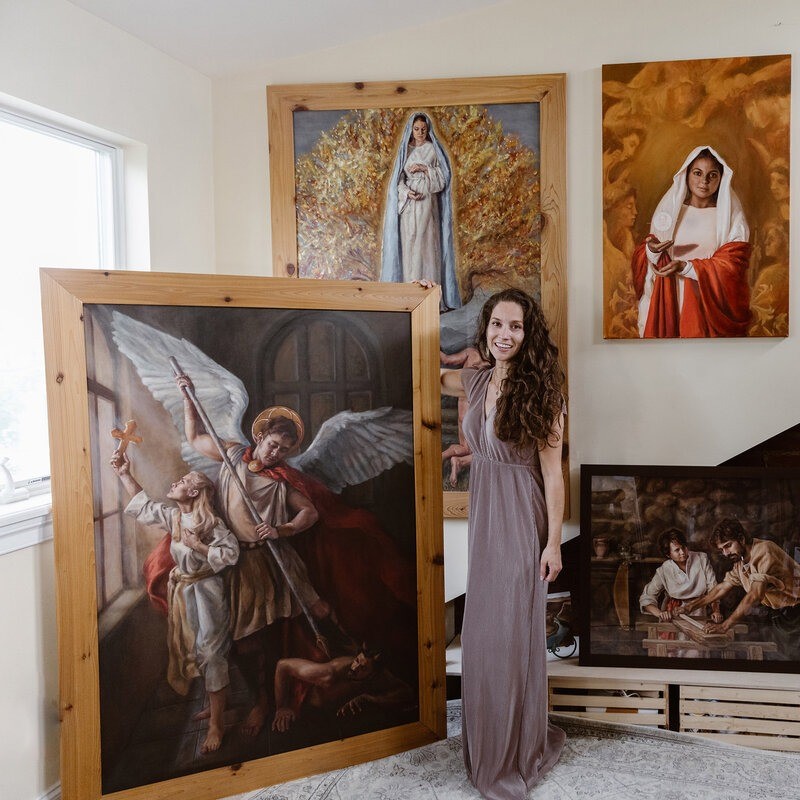
Consequently, the space feels different from a secular environment. This transformation occurs because holy images invite the viewer to pause and reflect. Furthermore, they serve as constant reminders of the presence of God in daily life. Many people struggle to maintain a prayerful mindset in a busy world. Therefore, having visual focal points helps anchor the mind and heart. In addition, these paintings connect the viewer to the communion of saints. They remind us that we are part of a larger family of faith that spans history. Ultimately, the primary purpose of these artworks is to lift the soul to God. They offer a visual liturgy that praises the Creator through color and form.
Selecting the Right Imagery for Your Home
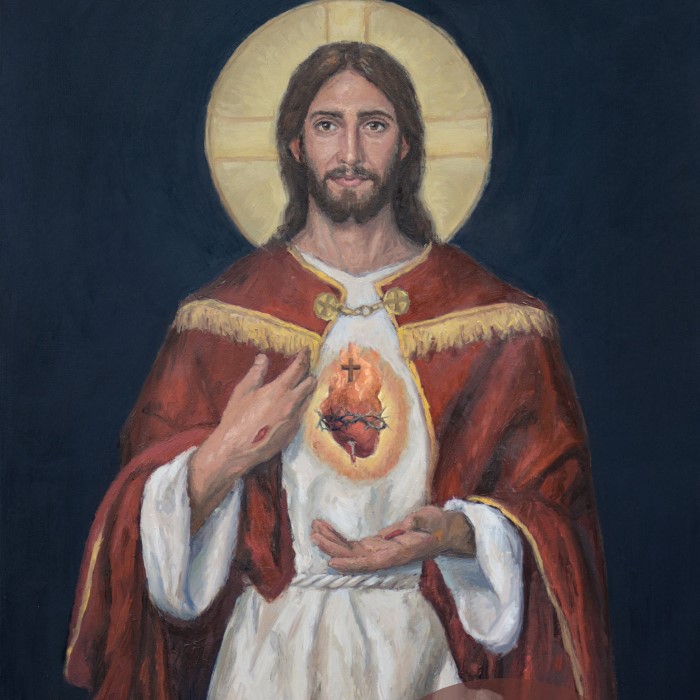
Choosing art for a domestic space requires careful thought and prayer. You must consider the specific needs of your family’s spiritual life. For instance, a home that struggles with anxiety might benefit from images of Christ calming the storm. This specific image serves as a powerful reminder of peace during chaotic times. Moreover, the placement of the painting matters significantly for its spiritual impact. Many families choose to create a dedicated prayer corner in their living room. Consequently, this area becomes a sanctuary for daily devotions. You might place a small image of the Sacred Heart on a mantlepiece.
Alternatively, a large painting of the Last Supper works well above a dining table. In this way, the art sanctifies the act of eating together. Parents often wonder how to teach the faith to young children effectively. Visual aids are incredibly effective for this specific educational purpose. Children often struggle with abstract concepts, but they understand stories through images. Therefore, paintings of the Nativity or the Good Shepherd make faith tangible for little ones. Furthermore, selecting art involves matching the style of the painting to the home’s decor. Traditional oil paintings suit classic interiors, while modern line art fits contemporary homes.
The Historical Evolution of Religious Art
To truly appreciate the depth of this art form, one must look back at its rich history. The tradition of painting religious scenes dates back to the earliest days of the Church. Initially, early Christians used symbols like the fish or the anchor to identify themselves. However, as the Church grew, so did the complexity of its art. During the Renaissance, the Church became the greatest patron of the arts in history. Consequently, masters like Michelangelo and Raphael produced works that remain unrivaled today. These artists did not merely seek to create beautiful objects. Rather, they aimed to capture the essence of divine beauty.
Their works were didactic tools for a largely illiterate population. Thus, the paintings needed to clearly communicate the stories of the Bible. Over time, different styles emerged to suit different spiritual needs. For example, the Baroque period utilized dramatic light and shadow to evoke strong emotional responses. This style aimed to inspire awe and penitence in the viewer. Conversely, the Romantic period focused on softer, more sentimental depictions of the Holy Family. Each era brought its own theological emphases to the canvas. Today, we have access to thousands of years of artistic tradition. Therefore, modern believers can choose from a vast array of styles to find what speaks to their soul.
Understanding the Symbolism in Catholic Paintings
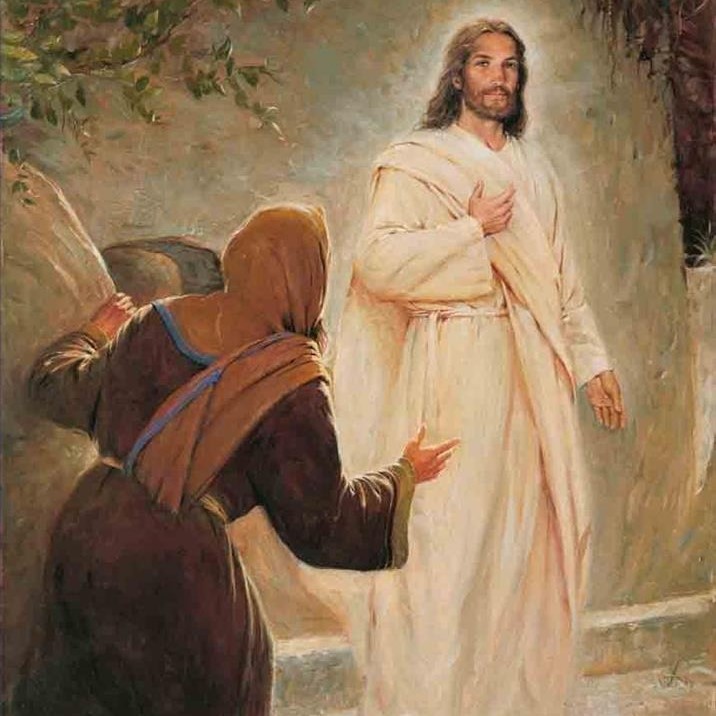
One cannot fully appreciate the depth of religious art without understanding its symbolic language. Artists throughout history have embedded specific codes within their works to convey theological messages. For example, the use of gold leaf in icons is not merely decorative. Instead, it represents the divine light of heaven. When you see a halo in a painting, it signifies holiness and sanctity. Furthermore, colors play a crucial role in communicating the status of a figure. The Virgin Mary is almost always depicted in a blue mantle.
This color traditionally symbolizes her role as the Queen of Heaven. Conversely, Christ is often shown wearing a red garment to signify his humanity and sacrifice. Therefore, the viewer can discern the subject matter instantly through these visual cues. Animals also carry significant weight in the visual lexicon of the Church. A lamb represents Christ as the sacrificial victim. Similarly, a dove symbolizes the Holy Spirit descending upon the apostles. Recognizing these symbols transforms the viewing experience from passive observation to active engagement. You begin to see the painting as a theological text that you can read. In addition, this knowledge helps in selecting art that aligns with specific devotions. If you have a devotion to St. Joseph, you might look for a painting where he holds a lily. This specific flower symbolizes his purity and chaste love for Mary.
The Psychological Impact of Divine Beauty
The environment we inhabit has a profound effect on our mental and spiritual well-being. Modern psychology increasingly supports the idea that visual stimuli influence our mood and behavior. Therefore, surrounding oneself with beauty is not a luxury but a necessity for a balanced life. Catholic paintings offer a unique form of beauty that transcends mere aesthetics. They introduce the concept of the transcendent into the mundane routines of daily life. When you walk past a painting of a saint, you are subtly encouraged to emulate their virtues. Conversely, living in a sterile environment can lead to feelings of emptiness or restlessness. Introducing sacred art disrupts the monotony of modern, minimalistic design trends.
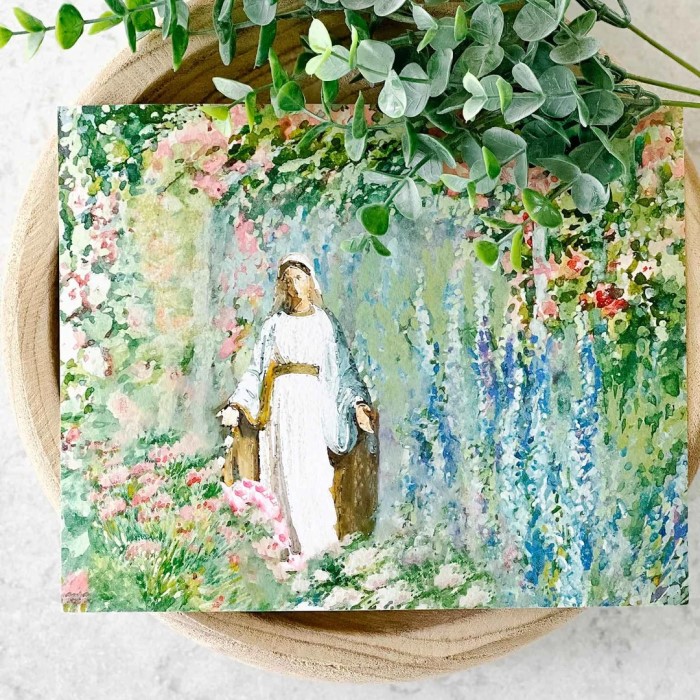
It adds warmth, history, and a sense of purpose to a room. Moreover, these images can serve as powerful tools for combatting negative thoughts. For someone struggling with loneliness, an image of the Holy Family offers comfort and companionship. It visually reminds them that they are never truly alone. Furthermore, the act of contemplating a beautiful painting can lower stress levels. It forces the mind to slow down and focus on a single, meaningful object. This practice mirrors the benefits of mindfulness meditation but is rooted in faith. Consequently, the home becomes a place of spiritual refuge rather than just a place to sleep. The visual presence of the divine fosters a sense of peace and security.
Integrating Catholic Art into Modern Design Trends
Many homeowners believe that religious art clashes with contemporary interior design. However, this assumption is far from the truth. You can successfully integrate sacred art into modern spaces with a few strategic choices. First, consider the framing of the piece. A traditional oil painting can look stunningly modern if placed in a sleek, minimalist frame. Conversely, a rustic wooden frame adds character to a minimalist room.
The key is to create contrast. Therefore, placing a baroque-style painting against a clean white wall creates a striking focal point. This technique draws the eye immediately to the art. Additionally, gallery walls have become a popular trend in home decor. You can mix catholic paintings with other types of art, such as botanical prints or abstract pieces. This approach integrates faith into the broader narrative of your life.
It shows that faith is not a separate compartment but part of a holistic existence. Lighting also plays a critical role in modern integration. Using picture lights or spotlights highlights the sacred nature of the art. It turns the painting into a shrine-like element within the room. Furthermore, you should consider the scale of the artwork in relation to your furniture. A large, commanding piece above a sofa anchors the room. Smaller pieces work better in intimate spaces, like a reading nook or a hallway. Ultimately, the goal is to let the art breathe and speak for itself.
Preservation and Care for Your Sacred Art Collection
Investing in high-quality religious art requires a commitment to its long-term care. Paintings are organic objects that react to their environment. Therefore, improper display or storage can lead to irreversible damage. Sunlight is the most common enemy of fine art. Ultraviolet rays cause pigments to fade and varnish to yellow over time. Consequently, you should always hang paintings away from direct windows. If you must place them near a light source, consider using UV-protective glass. Humidity and temperature fluctuations also pose significant risks. Canvas and wood panels expand and contract with changes in moisture levels.
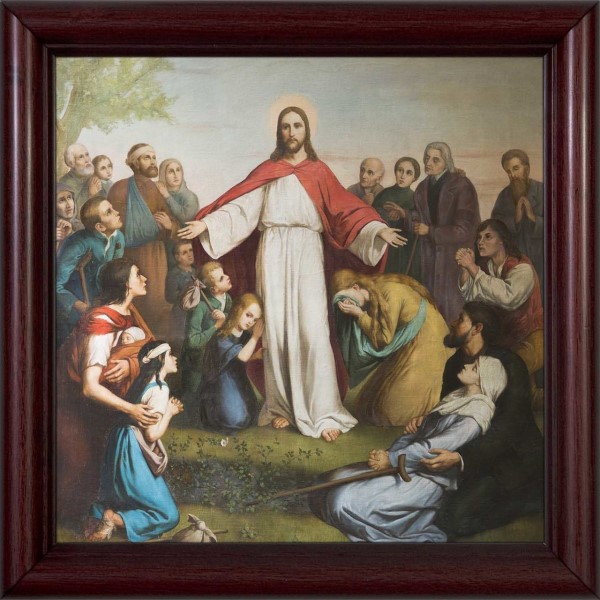
This movement can lead to cracking paint or warping the support structure. Ideally, you should maintain a stable environment with moderate humidity. Furthermore, cleaning your paintings requires a gentle touch. Never use household cleaning sprays or water on a canvas surface. Instead, a soft, dry brush is usually sufficient to remove dust. For older or more valuable pieces, consult a professional art conservator. They have the expertise to clean and repair without damaging the original work. In addition, check the back of the painting periodically for signs of pests or mildew. Proper framing is also essential for preservation. A high-quality frame protects the edges of the canvas and provides structural support. By caring for these items properly, you ensure that they remain heirlooms for future generations.
The Role of Art in Spiritual Formation
Faith is a journey that requires constant nurturing and reinforcement. Visual art serves as a powerful catalyst for spiritual growth and formation. In the Christian tradition, beauty is considered one of the attributes of God. Therefore, engaging with beautiful things draws us closer to Him. Catholic paintings provide a tangible means for this encounter. They act as visual gateways that usher the viewer into the presence of the divine. For instance, gazing at a crucifixion scene is not merely an aesthetic experience.
Rather, it is a moment of profound prayer and gratitude. The visual reality of the cross hits the heart in a way that words often fail to achieve. Additionally, images of the saints provide us with role models for our own lives. They show us that holiness is possible and achievable. They serve as a “cloud of witnesses” cheering us on from heaven.
Religious education also benefits immensely from the use of art. Sunday school classes often use images to explain the mysteries of the rosary. This method helps students visualize and remember the events of Christ’s life. Furthermore, art fosters a sense of reverence and sacred space. A room adorned with religious imagery naturally inclines the heart toward prayer. It sets a tone of silence and respect. In a world full of noise and distraction, this is a gift of inestimable value. Ultimately, these paintings are instruments of grace. They open our hearts to receive the message of the Gospel in a profound way.
Summarize
In summary, catholic paintings are far more than simple decorative objects. They serve as vital tools for spiritual growth, historical connection, and psychological well-being. By integrating these sacred images into our homes and lives, we create environments that foster peace and reflect divine beauty. Whether through the intricate symbolism of the Renaissance or the clean lines of modern art, the power of these works lies in their ability to lift the human heart to God. Careful selection and preservation ensure that these treasures continue to inspire faith and transform spaces for generations to come.