The Rise of the LEGO Book Nook Trend
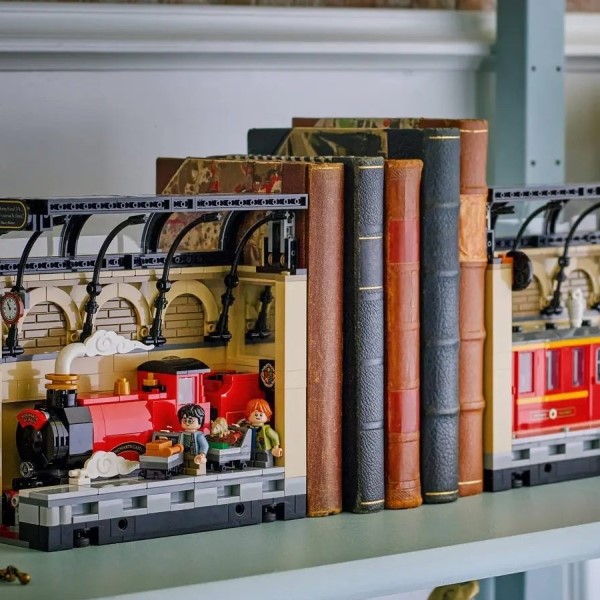
The world of hobbies is constantly evolving with new and exciting trends. One of the most captivating trends to emerge recently is the lego book nook. These charming dioramas fit perfectly between books on a shelf. They transform a mundane bookshelf into a portal to another world. Consequently, they have captured the imagination of builders everywhere. The concept is simple yet brilliant. You create a miniature scene, often with a specific theme. It sits snugly between your novels, adding a touch of magic to your library. For 2026, this trend shows no signs of slowing down. In fact, it is becoming more sophisticated and popular.
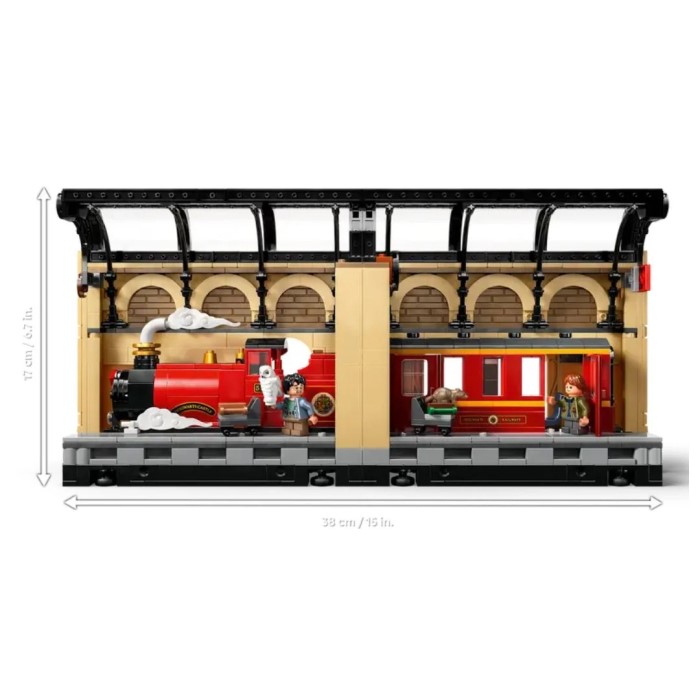
Many hobbyists are looking for ways to personalize their reading spaces. A standard bookend serves a function, but it lacks soul. Therefore, a LEGO creation offers a unique blend of utility and art. It sparks joy every time you glance at your shelf. Furthermore, the rise of social media has fueled this fire. Builders share their intricate designs online. This inspires others to try their hand at construction. It creates a vibrant community of like-minded individuals.
You might be a seasoned LEGO master or a complete novice. Regardless of your skill level, this hobby offers immense satisfaction. It allows you to express your creativity in a confined space. The constraints of the book nook actually foster innovation. You must think small to create something big. This guide will walk you through the process. We will explore everything from planning to the final brick. By the end, you will be ready to start your own journey.
Essential Planning and Theme Selection
Every great build begins with a solid plan. You should not simply dump a pile of bricks and start clicking. Instead, take the time to conceptualize your vision. The first step is deciding on a theme. This is the most exciting part of the process. Do you love fantasy novels? You might create a wizard’s tower or a magical forest. Perhaps you prefer sci-fi. A futuristic cityscape or a spaceship docking bay would be perfect. The theme should reflect your personal interests. Consequently, it will feel more meaningful to you.
After choosing a theme, you need to determine the dimensions. A standard lego book nook typically fits within a specific height. Most standard bookshelves have a clearance of about 8 to 10 inches between shelves. Therefore, your build must be shorter than this. It also needs to be the width of a standard book. This creates the illusion that it is just another volume on the shelf. However, depth is where you can experiment.
Some nooks are shallow, while others are deep tunnels. Consider the space on your shelf. Measure it carefully before you begin. Furthermore, think about the viewing angle. Most people will see the nook from the front. You need to ensure the best details are visible from that perspective. Sketching your ideas on paper can be incredibly helpful. It does not have to be a perfect drawing. A simple diagram helps you visualize the structure. It also helps you identify potential structural issues early. Planning saves time and frustration later. Consequently, your building process will be much smoother.
Sourcing Your Bricks and Elements
Once you have a plan, you need the materials. The bricks are the medium of your art. Sourcing the right pieces is a crucial step. You might have a large collection of loose bricks. This is a great place to start. You can dig through your existing tubs to find useful parts. However, you will likely need specific elements to bring your vision to life. Fortunately, there are many options for acquiring LEGO parts. Online marketplaces like BrickLink and BrickOwl are invaluable resources. They allow you to buy specific bricks in specific colors. This is perfect for custom builds.
Additionally, consider using “Pick a Brick” services on the official LEGO website. This is useful for obtaining large quantities of basic bricks. For example, you might need fifty gray 2×4 bricks for a wall. Buying them in bulk is cheaper and more efficient. When building a lego book nook, color consistency is key. You want the walls and floor to look cohesive. Therefore, try to source all your bricks from the same dye lot if possible. This prevents slight color variations that can be distracting. Furthermore, do not forget about accessory elements.
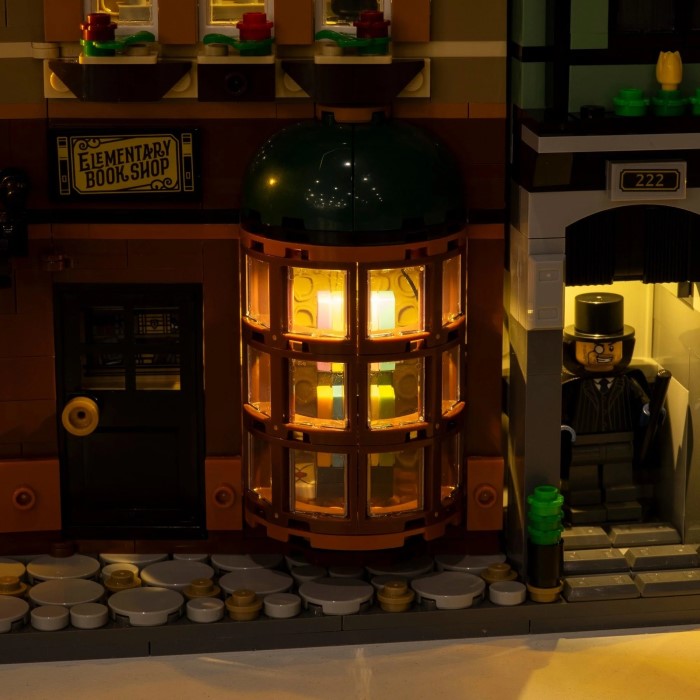
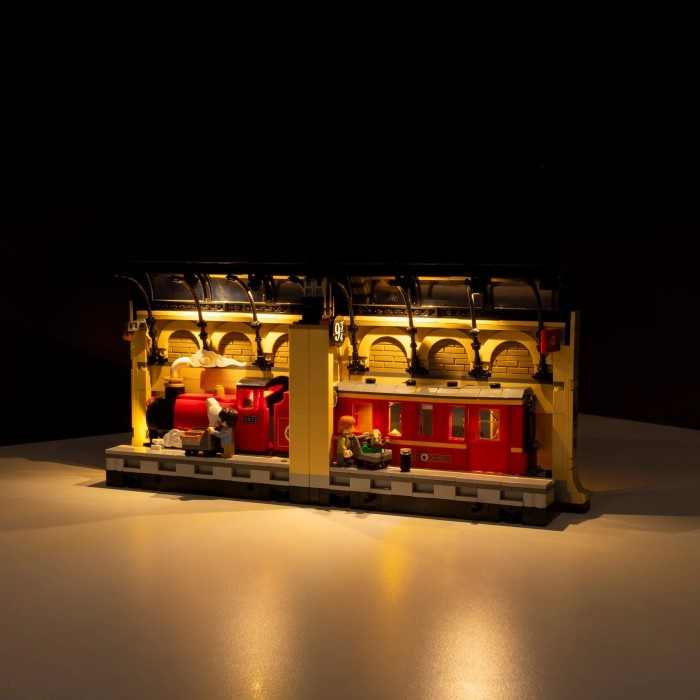
Minifigures, plants, and small architectural details bring the scene to life. These small touches add personality and depth. You might also consider lighting. Small LED lights can transform a nook. They add a warm glow or a dramatic shadow. You can buy third-party light kits designed for LEGO. Alternatively, you can integrate simple battery-operated lights. Think about how you will hide the battery pack. It needs to be accessible but out of sight. Sourcing materials is like a treasure hunt. It is part of the fun.
Building a Sturdy Framework
The structure of your book nook is its skeleton. It must be strong enough to support the weight of the books on either side. Therefore, a flimsy design will not work. You need to build a solid frame. Start with a strong baseplate. This forms the foundation of your scene. You can connect multiple plates if you need a larger area. Ensure they are clipped together securely. The back wall is also important. It provides structural integrity and defines the depth of the nook. Use large plates or bricks to build this wall. It should be tall and solid.
Furthermore, consider the side walls. These will hold the books in place. They need to be thick enough to withstand pressure. You can use a technique called “SNOT” (Studs Not On Top). This allows you to build sideways. It creates smooth walls without visible studs. This gives your lego book nook a more polished and realistic look. However, building sideways requires specialized brackets and connectors. Plan your connections carefully. The corners of the frame are critical stress points. Reinforce them with overlapping bricks.
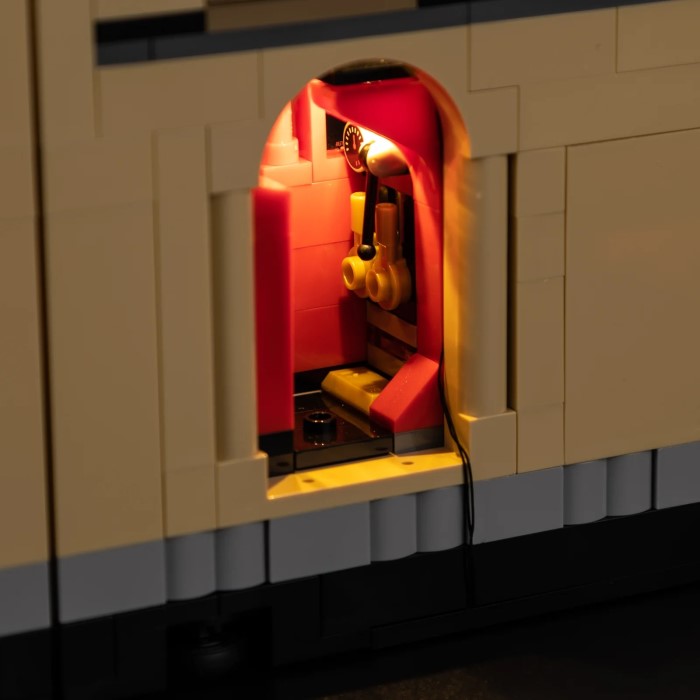
This prevents the structure from warping or collapsing. You do not want your masterpiece to fall apart. Additionally, consider adding a “roof” or a top piece. This can be optional depending on your design. A closed top keeps dust out. It also allows you to stack more books on top of the nook itself. A strong framework ensures your build lasts for years. It is the unseen hero of a successful project. Do not rush this stage. A solid foundation supports all the beautiful details to come.
Creating Depth and Perspective
One of the biggest challenges in a small space is creating a sense of depth. You are working with a limited footprint. However, you want the viewer to feel like they are looking into a vast world. There are several optical tricks you can use to achieve this. First, consider forced perspective. This involves making objects smaller as they get further away. For example, you can build a road using progressively smaller bricks. This makes the road appear to stretch into the distance. Similarly, place smaller buildings in the background. This creates the illusion of a sprawling city.
Furthermore, the use of mirrors is a classic technique. Placing a mirror at the back of the nook instantly doubles the perceived space. It reflects the front of the scene. This makes a short street look like a long avenue. You can find small, thin mirrors at craft stores. Attach them carefully to the back wall. Be sure to hide the edges of the mirror with bricks or tiles. This preserves the illusion. Lighting also plays a huge role in creating depth.
A bright foreground with a darker background adds mystery. Conversely, a light in the distance draws the eye inward. You can use transparent bricks to simulate water or glass. These elements catch the light differently. They add texture and visual interest. A successful lego book nook invites the viewer to lean in and look closer. It rewards close inspection with hidden details. Think about the layers of your scene. You should have a foreground, a middle ground, and a background. Each layer should have interesting elements. This layering creates a rich, three-dimensional feel. It turns a simple box into a window.
Adding Storytelling Elements and Minifigures
A book nook is more than just architecture. It is a snapshot of a story. Therefore, you should populate your scene with life. Minifigures are the most obvious way to do this. They give the scene a human element. However, do not just place them randomly. Think about what they are doing. A minifigure reading a newspaper adds a touch of realism. Another figure walking a dog brings movement to the scene. These small narratives engage the viewer. They make the nook feel alive. You can customize minifigures to fit your theme. Swap heads, torsos, and accessories to create unique characters.
In addition to figures, look for small details that tell a story. A bicycle leaning against a lamppost suggests someone has arrived. A spilled cup of coffee implies a sudden departure. A cat peeking out of a trash can adds a moment of discovery. These “easter eggs” are what make a build special. They showcase your creativity and attention to detail. When building a lego book nook, the accessories are just as important as the bricks.
Look through your collection for small, unique pieces. A frog, a sword, or a treasure chest can anchor a specific theme. Place these items where they might be missed at first glance. This encourages people to study your work. It creates an interactive experience. The story you tell does not have to be complex. Sometimes, a quiet street scene is just as powerful as a battle. It sets a mood. It invites the imagination to fill in the blanks. Your nook becomes a prompt for a story that the viewer writes in their mind.
Advanced Techniques for the Modern Builder
Once you master the basics, you can explore advanced building techniques. These methods elevate your build from a toy to a display piece. One such technique is “greebling.” This involves covering large, smooth surfaces with small, detailed parts. It is often used in sci-fi building to add texture to spaceship hulls. You can use hinges, grates, and pipes to create a complex surface. This adds a level of realism and sophistication. It breaks up the monotony of a flat wall. Another useful technique is brick bending. This allows you to create curves and arches.
You can create round towers or winding staircases. This requires specific types of plates and hinges. It takes practice to get the spacing right. Consequently, you must be patient. Another advanced concept is the integration of moving parts. You could add a mechanism that makes a car drive across the scene. Or, a figure could wave when you turn a gear. These kinetic elements add a wow factor. They surprise and delight the viewer.
For a 2026 build, consider integrating smart technology. There are third-party modules that react to sound or light. Imagine a lego book nook that lights up when you clap your hands. These modern touches bridge the gap between traditional building and engineering. They challenge you to think beyond the brick. Do not be afraid to experiment with new methods. Failure is part of the learning process. If a technique does not work, take it apart and try again. The satisfaction of mastering a new skill is immense. It pushes the boundaries of what is possible with plastic bricks.
Maintaining and Displaying Your Creation
After you finish your build, the work is not quite over. You need to think about preservation and display. LEGO bricks are durable, but they can attract dust. Dust can settle in the studs and dull the colors. Therefore, maintenance is necessary. A can of compressed air is a great tool for removing dust from hard-to-reach places. You can also use a soft paintbrush to gently sweep away particles. Avoid using water or cleaning chemicals. They can damage the bricks or the stickers. If you have invested a lot of time, you might want to seal the nook. A clear acrylic case is the perfect solution. It protects the build from dust and accidental bumps.
Furthermore, the case enhances the display. It gives the project a finished, museum-quality look. When placing the nook on your shelf, consider the lighting in the room. Natural light can cause certain colors to fade over time. Particularly, white and transparent bricks are susceptible to yellowing. Therefore, try to position your shelf away from direct sunlight. If you have installed internal lighting, you might want to hide the switch.
You can position it on the top or the back of the nook. This allows you to turn the lights on without moving the books. Think about the books you place next to the nook. Choose titles that complement the theme. A fantasy nook looks great next to a row of classic fantasy novels. This creates a cohesive and intentional look. Your lego book nook is a work of art. Treat it with care. It is a testament to your creativity and patience. Enjoy the satisfaction of seeing it nestled among your favorite stories.
Frequently Asked Questions
Is LEGO going to make more book nooks?
LEGO has noticed the immense popularity of this trend. While official sets are sometimes limited, the company often tests new concepts on the LEGO Ideas platform. Consequently, we can expect to see more official book nook-style sets in the future. Fans frequently submit their own designs for approval.
How much do LEGO book nooks cost?
The cost varies significantly. If you build from your own collection, it might be free. However, buying specific parts for a custom design can cost between 50and200. Official sets, when available, usually retail for standard LEGO set prices based on piece count.
What is the rarest LEGO ever?
The rarest set is often considered to be the 14k Gold C-3PO. Only five were ever made. Other rare sets include the 2×4 bricks made of gold and silver for special events. These items rarely appear on the market and command incredibly high prices.
What is the hardest thing to build in LEGO?
Difficulty is subjective. However, large sets like the LEGO Ultimate Collector Series Millennium Falcon are among the hardest. They have thousands of pieces and complex instructions. Technic sets with intricate mechanical functions are also very challenging for many builders.
Conclusion
The journey of building a lego book nook is rewarding. It combines engineering, art, and storytelling into one compact package. You start with a simple idea. Then, through planning and patience, you bring it to life brick by brick. This hobby offers a unique way to personalize your space. It turns a static bookshelf into a dynamic gallery of your own making. The tips and tricks for 2026 emphasize creativity and structural integrity. Whether you are sourcing parts or adding final details, the process is enriching. Furthermore, the community around this hobby is supportive and inspiring. You can always find new ideas and techniques to try.
As you place your finished nook on the shelf, you will feel a sense of pride. It is a physical manifestation of your imagination. Therefore, do not hesitate to start your own project. Gather your bricks, pick a theme, and begin building. The world you create is yours alone. We hope this guide has given you the confidence to start. Remember, every master builder was once a beginner. Your first lego book nook is the first step in a long creative journey. Enjoy every moment of the build.