The Art and Science of Fragrance Creation
Many people want to learn how to make perfume. This creative process allows you to design a unique signature scent. Store-bought fragrances are often expensive. Furthermore, they frequently contain synthetic chemicals. Making your own perfume is a healthier alternative. It gives you full control over the ingredients. You can avoid harsh additives. Additionally, it serves as a wonderful gift for friends and family. The trend of DIY cosmetics is rising in 2026. More individuals seek personalized products. Therefore, understanding the basics of perfumery is essential. You do not need a professional lab. Your kitchen can serve as your studio.
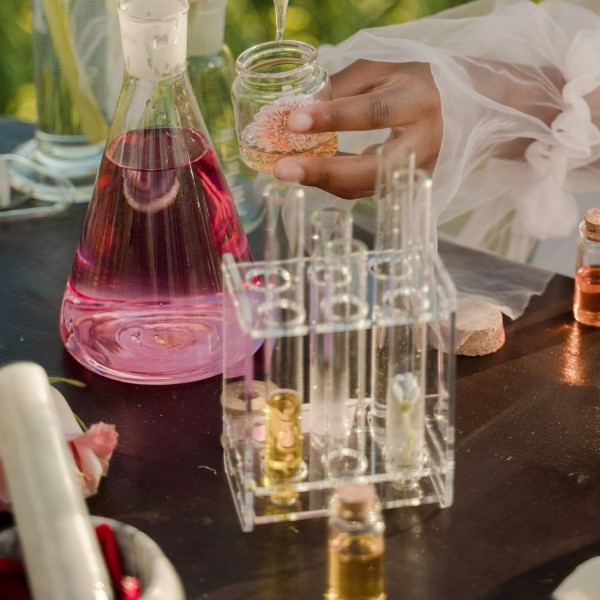
We will explore various methods in this article. You will learn about essential oils and carrier oils. We will also discuss the importance of scent notes. Consequently, you will gain the confidence to start blending. The journey of scent creation is deeply rewarding. It connects you to an ancient art form. Historically, perfumery was a sacred craft. Now, you can practice it at home. It is both an art and a science. You must balance creativity with precision. However, the results are worth the effort. A custom fragrance expresses your personality. It can evoke memories and emotions. Thus, making perfume is more than just mixing liquids. It is about crafting an experience.
Understanding Fragrance Notes and Structure
A great perfume relies on a specific structure. This structure is known as the fragrance pyramid. It consists of three layers of notes. First, we have the top notes. These are the initial scents you smell. They are usually light and fresh. Citrus oils like lemon and bergamot are common top notes. They evaporate quickly. Therefore, they only last for a few minutes. Next, the middle notes appear. These are also called heart notes. They form the core of the perfume. Floral scents like rose or lavender are typical heart notes. They provide balance to the fragrance. Finally, the base notes emerge. These are rich and heavy scents.
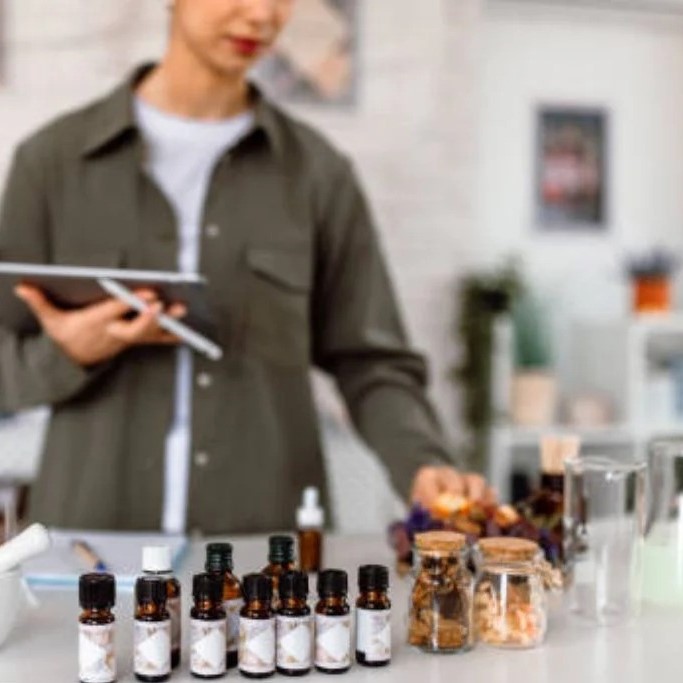
They anchor the perfume. Woodsy oils like sandalwood or cedarwood act as base notes. They last the longest on the skin. Consequently, a well-made perfume transitions smoothly through these stages. You must understand this pyramid to blend effectively. Each note plays a vital role. The top note invites you in. The heart note defines the character. The base note provides longevity. Therefore, choosing the right combination is crucial. You want the scents to complement each other. A disjointed fragrance smells unpleasant. Thus, study the notes before you start mixing.
Essential Tools and Ingredients for Beginners
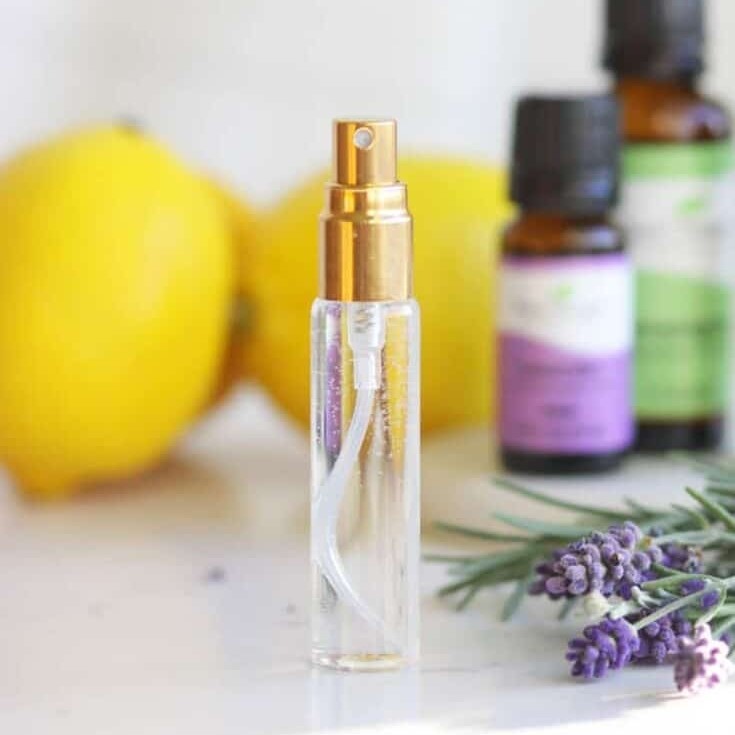
How to make perfume? You need specific tools to start your journey. Fortunately, the equipment is simple to find. First, you need glass beakers or measuring cups. Plastic is not suitable. Essential oils can degrade plastic. Therefore, glass is the safest choice. You will also need glass dropper bottles. These allow for precise measurement. Precision is key in perfumery. A digital scale is also helpful. It ensures you use the correct amounts. Additionally, you need blotter strips or testing strips. These help you smell the scents individually. You should also have a notebook.
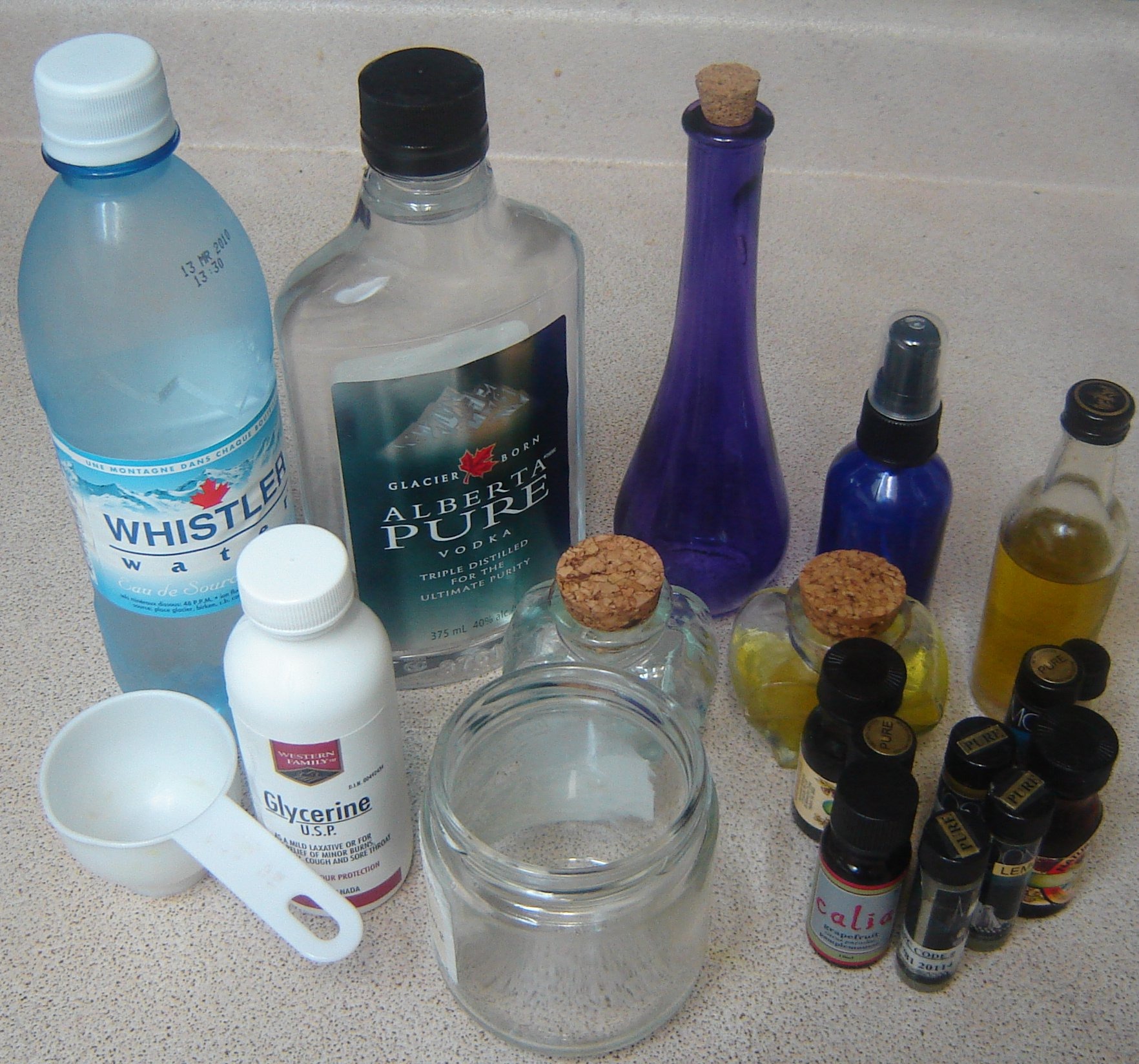
Recording your recipes is vital. You want to replicate successful blends. For ingredients, you need a carrier oil. Jojoba oil is a popular choice. It has a long shelf life. It also mimics the skin’s natural oils. Alternatively, you can use high-proof alcohol. Vodka is a common option for spray perfumes. Furthermore, you need essential oils or fragrance oils. Start with a basic collection. Buy lemon, lavender, and cedarwood oils. These cover the top, middle, and base notes. Consequently, you can practice the pyramid structure. Distilled water is the final ingredient. It dilutes the mixture. Always use distilled water. Tap water contains impurities. These can spoil your perfume.
The Step-by-Step Process of Blending
How to make perfume? Now, we will discuss the actual process. First, you must choose your carrier. Decide if you want an oil-based or alcohol-based perfume. Oil-based perfumes are more intimate. They stay closer to the skin. Alcohol-based perfumes project further. They have a stronger scent trail. Once you choose a carrier, prepare your oils. Start with the base notes. Add them to your glass beaker. Use your droppers for accuracy. Next, add your heart notes. Finally, introduce the top notes. This order is traditional. However, some perfumers mix differently.
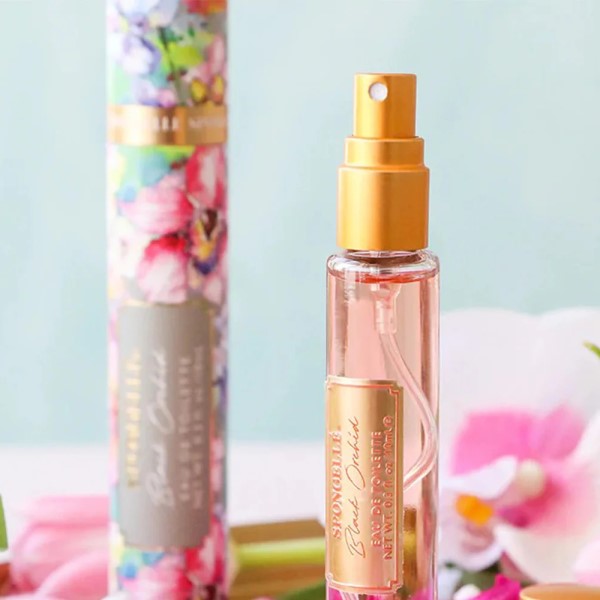
After adding the oils, gently swirl the mixture. Do not shake it vigorously. Shaking can introduce air bubbles. This affects the aging process. Then, add your carrier oil or alcohol. Fill the rest of the bottle. Leave a little space at the top. You need room to shake the bottle later. Consequently, the blending phase is complete. The mixture will look clear or slightly golden. It may smell strong at first. Do not worry about the initial harshness. The scent will change. The magic happens during the next stage. This stage requires patience. You cannot rush the aging process.
The Importance of Aging and Maceration
How to make perfume? Aging is the most critical step. You cannot skip it. Freshly mixed perfume smells raw. The alcohol smell often overpowers the oils. Therefore, you must let it sit. This process is called maceration. The molecules need time to bond. Place your perfume in a cool, dark place. Light and heat damage the oils. A cupboard or a drawer works well. Leave it there for at least 48 hours. However, a week is even better. For alcohol-based perfumes, wait a month. The longer it sits, the richer it becomes. During this time, shake the bottle gently once a day.
This distributes the oils evenly. Consequently, the fragrance matures. The harsh top notes soften. The deep base notes develop fully. The scent becomes cohesive. You will notice a significant difference. It transforms from a mixture of oils into a harmonious perfume. After the aging period, check the scent. If you are happy, you can proceed. If not, you can add more oils. However, add them in small amounts. Then, age the perfume again. This iterative process creates the best results. Patience is truly a virtue here.
DIY Perfume Recipes for 2026
Here are some easy recipes to try. The first is a “Fresh Morning” blend. It is perfect for daily wear. You will need lemon, mint, and sandalwood oils. Use 10 drops of lemon for the top note. Add 15 drops of mint for the heart. Finally, use 5 drops of sandalwood for the base. Mix these with two tablespoons of carrier oil. This scent is uplifting and clean. Another popular recipe is “Floral Garden.” This blend is romantic and soft. You need bergamot, rose, and vanilla. Start with 10 drops of bergamot. Add 15 drops of rose oil. Then, add 5 drops of vanilla. Vanilla acts as a sweet base note. Mix these with your carrier. This scent is great for evenings.
Furthermore, try a “Woodsy Walk” blend. It is grounding and earthy. Use orange, lavender, and patchouli. The orange provides a citrus top note. Lavender offers a calming heart. Patchouli gives a deep, earthy base. Consequently, you have three distinct options. These recipes are starting points. Feel free to adjust the ratios. Everyone’s sense of smell is different. You might prefer a stronger base. Or perhaps a lighter top note. The goal is to create something you love.
Troubleshooting Common Perfume Issues
Beginners often face challenges. One common issue is a weak scent. Your perfume might fade quickly. This usually means the base notes are too light. Try adding more base oils next time. Alternatively, you used too much carrier oil. Reduce the amount of carrier in your next batch. Another problem is an unpleasant smell. This happens when notes clash. Some oils do not mix well. For example, heavy spice and light citrus might fight. Therefore, test your blend on a blotter strip first. Smell them together before mixing.
This prevents wasted ingredients. Additionally, your perfume might look cloudy. This often occurs with alcohol bases. It happens if the water ratio is too high. Or if the essential oils were not pure. Consequently, clarity suffers. Filter the mixture through a coffee filter. This can remove sediment. Sometimes, the perfume causes skin irritation. This is a serious issue. Always perform a patch test. Apply a small amount to your inner arm. Wait 24 hours. If redness occurs, do not use it. Some oils are phototoxic. They react with sunlight. Lemon and bergamot are examples. Avoid wearing these oils in direct sun. Safety is always the priority.
Packaging and Storing Your Creation
Proper packaging preserves your perfume. The bottle choice is significant. Always choose dark glass bottles. Amber or blue glass is best. These colors block UV light. Light breaks down essential oils. Consequently, the fragrance spoils. Clear bottles look pretty. However, they offer no protection. If you use clear bottles, keep them in boxes. The cap is also important. A tight seal is necessary. Air exposure oxidizes the oils.
This changes the scent. Therefore, use airtight lids. Spray tops are convenient. They distribute the perfume evenly. Rollerball tops are good for oil perfumes. They allow for targeted application. Label your bottles clearly. Write the name of the scent. Also, write the date you made it. This helps you track shelf life. Homemade perfume does not last forever. It lacks the strong preservatives of commercial brands. Usually, they last six months to a year. Keep your bottles in a cool place. The bathroom is actually a bad location. The heat and humidity fluctuate there. Instead, keep them in a bedroom drawer. Proper storage extends the life of your creation.
FAQ
How can I make perfume at home?
You can make perfume by mixing essential oils with a carrier oil or alcohol. First, choose your top, middle, and base notes. Then, mix them in a glass bottle. Finally, let the mixture age for a few weeks.
What is the 30 50 20 rule for perfume?
This rule refers to the concentration of fragrance notes. The blend should contain 30% top notes. It should have 50% middle notes. Finally, it needs 20% base notes. This ratio creates a balanced scent.
What are the ingredients for perfume?
The main ingredients are essential oils or fragrance oils. You also need a solvent like alcohol or carrier oil. Additionally, water is sometimes used to dilute the mixture. Fixatives may be added to prolong the scent.
Can you create your own perfume?
Yes, you can easily create your own perfume. It requires basic tools like glass bottles and droppers. You also need essential oils and a carrier. Many people start with simple DIY recipes at home.
Summarize
This article provides a comprehensive guide on how to make perfume at home for 2026. It covers the fundamental structure of fragrance notes, including top, middle, and base notes. The text details the essential tools and ingredients needed for beginners, such as glass droppers and carrier oils. It explains the step-by-step blending process and emphasizes the importance of aging. Additionally, the article offers three easy DIY recipes for different scent profiles. It also addresses common troubleshooting issues and provides tips for proper packaging and storage to ensure longevity.