The Timeless Art of Book Binding
Book binding is a craft that has existed for centuries. It connects us to the history of knowledge. Many people think it is a lost art. However, it is currently experiencing a renaissance. Consequently, more enthusiasts are discovering the joy of creating handmade books. The process involves attaching pages together. You then attach them to a cover. This creates a durable and functional object. Furthermore, it serves as a beautiful piece of art. In 2026, the interest in tactile hobbies is growing. People want to step away from screens.
Therefore, they seek tangible activities. Book binding offers a perfect escape. It allows you to create something real. You can hold your creation in your hands. This feeling is incredibly satisfying. Additionally, it makes for a personalized gift. A handmade book carries emotional weight. It shows effort and care. Unlike digital files, a physical book lasts. It becomes a treasured item. Thus, learning this skill is valuable. It combines practicality with creativity. You preserve your memories or stories. You also engage in a meditative process. The rhythm of sewing pages is relaxing. As a result, many find it therapeutic. This guide will help you start your journey. We will explore the basics. You will learn about tools and techniques. Soon, you will create your own masterpieces.
Essential Tools for Your Journey
You need the right tools to start. Good tools make the work easier. They also ensure a higher quality result. First, you need a bone folder. This tool helps you make sharp creases. It also helps you smooth out paper. Consequently, it is indispensable. Next, you need a good quality awl. An awl pierces holes in the paper. You need these holes for sewing. Therefore, a sharp awl is crucial. You also need needles. Bookbinding needles are typically curved. However, straight needles work too. They must have a large eye. This accommodates thick thread. Speaking of thread, waxed linen thread is best. It is strong and durable. Furthermore, the wax prevents tangling. You also need a cutting mat. This protects your work surface.
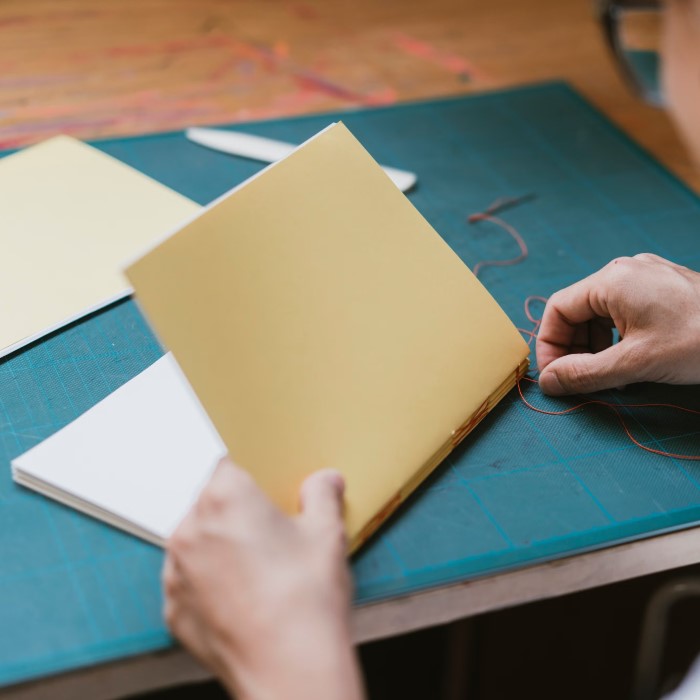
A self-healing mat is a great investment. Additionally, a metal ruler is necessary. It helps you measure accurately. It also guides your knife for cutting. A craft knife or scalpel is vital. You will use it to cut paper and board. Finally, you need glue. PVA glue is the standard choice. It dries clear and flexible. Consequently, it is perfect for beginners. Gather these supplies before you begin. They are the foundation of your new hobby.
Understanding Different Paper Types
Paper is the soul of your book. Choosing the right paper is critical. Different papers serve different purposes. For instance, sketchbooks need heavy paper. Drawing paper can handle ink and paint. Conversely, a journal might need lined paper. Lined paper helps with writing. Therefore, you must consider the book’s use. The grain direction is also important. Paper has a grain direction. It folds easier one way than the other. You should fold with the grain. This makes the pages turn smoothly. Additionally, it prevents the book from warping.
Consequently, always check the grain. You can do this by folding the paper gently. The easier fold indicates the grain direction. Another factor is paper weight. Weight is measured in GSM. Higher GSM means thicker paper. Standard printer paper is usually 80 GSM. Watercolor paper can be 300 GSM. Heavier paper makes a thicker book. Therefore, plan your binding accordingly. You might also like decorative paper. This is used for endpapers. Endpapers connect the book block to the cover. They add a touch of elegance. You can use patterned paper. Or you can use solid colors. Ultimately, the choice is yours. Experiment with different types. This helps you find your preference.
Mastering the Saddle Stitch
The saddle stitch is a simple method. It is perfect for beginners. You can learn it quickly. Moreover, it requires few tools. This technique works best for thin booklets. It is commonly used for magazines. Also, comic books often use this method. The process is straightforward. First, you fold your pages in half. You then nest them inside each other. This creates a “signature.” A signature is a group of folded pages. For a thin book, one signature is enough. Next, you open the booklet flat. You will poke holes along the spine fold.
Usually, you make three or five holes. The number depends on the book’s size. Then, you thread a needle. You sew through the holes. You start from the inside. This creates a simple stitch pattern. Finally, you tie a knot inside. The knot secures the thread. Consequently, the pages are held tight. However, this method has limitations. It does not work for thick books. The pages might not lie flat. Despite this, it is a great starting point. It teaches basic principles. You learn about folding and sewing. Furthermore, it provides instant gratification. You finish a project quickly. Thus, it builds confidence for harder techniques.
Exploring the Coptic Binding
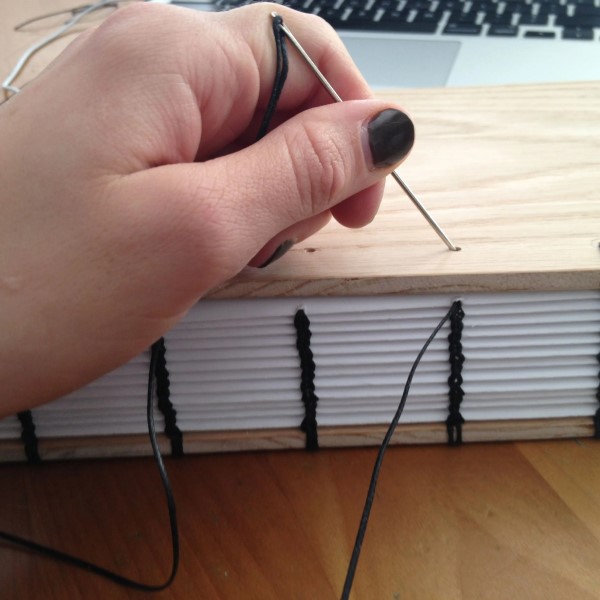
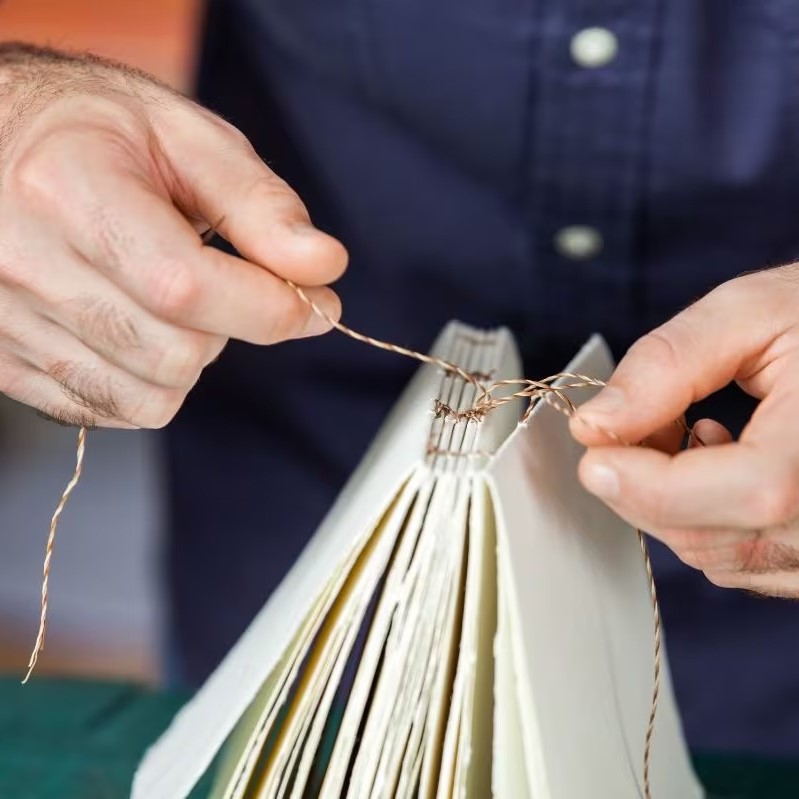
Coptic binding is a historic technique. It dates back to ancient Egypt. This method is very distinct. It features an exposed spine. The spine is not covered by cloth or paper. Instead, the stitching is visible. Consequently, it looks very decorative. Many crafters love this style. It allows the book to open perfectly flat. This is a major advantage. Therefore, it is ideal for sketchbooks. It is also great for journals. The process involves separate signatures. You also need two hard covers. You sew the signatures together. At the same time, you attach them to the covers. The chain stitch across the spine is key. It creates a beautiful braid effect.
Furthermore, it is a very durable binding. The book will last a long time. To start, you prepare your covers. You drill holes near the spine edge. Then, you prepare your signatures. You poke holes in the folds. The sewing process is rhythmic. You link each signature to the previous one. It requires focus. However, the result is worth the effort. You can use colorful threads. This adds a personal touch. For example, a black cover with red thread looks stunning. This technique opens up creative possibilities. It bridges the gap between simple and advanced.
The Elegance of Japanese Stab Binding
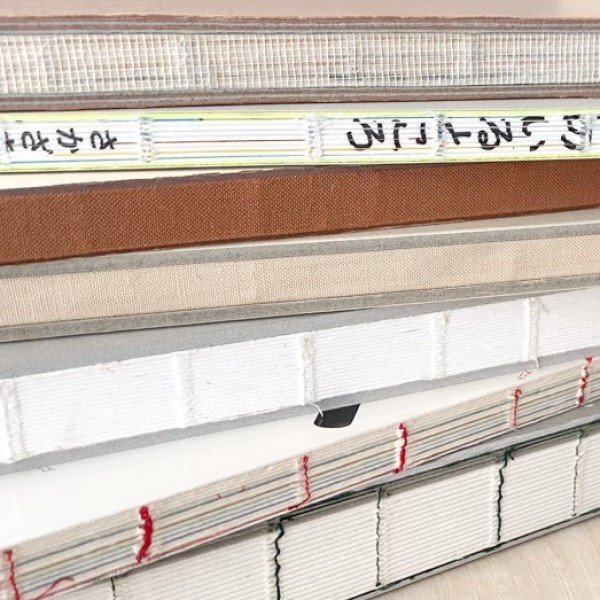
Japanese stab binding is unique. It originated in Asia. It is visually striking. Unlike Western styles, the pages do not fold. Instead, you stack single sheets of paper. You then bind them along one edge. Consequently, the spine is very thick. This style is perfect for loose paper. You might have a collection of recipes. Or perhaps you have poems on single sheets. This method works perfectly for them. There are many stitch patterns. The most basic is the four-hole binding. It is called “Yotsume Toji.” It is simple to learn. However, there are complex patterns too. Some patterns are incredibly intricate. They look like works of art.
For instance, the “Hemp Leaf” pattern is famous. It requires precise hole punching. Therefore, it takes patience. The tools needed are simple. You need an awl and a hammer. You also need a template for the holes. The thread is usually thick. Silk thread is traditional. It adds a glossy finish. You wrap the thread around the spine. This covers the holes and the edge. It creates a very secure binding. Additionally, it looks elegant. You can use soft covers. Or you can use hard boards. The choice depends on your preference. This technique celebrates the spine. It turns a functional element into a focal point.
Creative DIY Project Ideas
There are so many projects to try. Once you learn the basics, you can create anything. A popular project is a travel journal. You can use maps for the cover. This adds a thematic element. Inside, you can mix paper types. Some pages can be blank for sketches. Others can be lined for notes. Furthermore, you can add pockets. Pockets hold tickets and receipts. Consequently, the journal becomes a scrapbook. Another great idea is a recipe book. You can make a binder style book. This allows you to add pages later. Plastic sleeves protect the recipes. Therefore, it is practical. You might also consider making a guest book.
A guest book is perfect for weddings. You can customize the cover. Use the couple’s names and date. This makes a cherished keepsake. Additionally, try making a photo album. Use acid-free paper. This protects the photos. You can create unique photo corners. These hold the photos in place. No glue touches the image. For the more adventurous, try a leather journal. Leather is a luxurious material. It ages beautifully. You can use the longstitch technique. This creates a flexible spine. The possibilities are truly endless. Let your imagination guide you. In 2026, personalization is key. People value unique items. Your handmade books will be treasured.
Common Mistakes to Avoid
Beginners often make mistakes. This is part of the learning process. However, knowing them helps you avoid them. One common error is using the wrong glue. Some glues are too brittle. They crack when the book opens. Therefore, always use flexible PVA glue. Another mistake is ignoring grain direction. As mentioned before, grain matters. If you ignore it, the book will warp. The pages will not turn easily. Consequently, the book will feel awkward. Measuring inaccurately is also a problem. Precision is vital in bookbinding. If your measurements are off, the cover will not fit. Or the pages will stick out.
Therefore, measure twice and cut once. This old adage holds true. Another issue is using too much glue. Excess glue makes the paper wrinkle. It also makes the spine stiff. A stiff spine prevents the book from opening flat. Thus, apply glue sparingly. Use a brush for even coverage. Also, be careful with the awl. If you punch the holes too big, the thread will not hold. The pages might become loose. Conversely, holes that are too small are hard to sew. You need to find the right balance. Finally, do not rush. Bookbinding requires patience. Take your time with each step. Enjoy the process. The result will be much better.
FAQ
How can I bind my own books?
You can bind your own books using several methods. The simplest method for beginners is the saddle stitch. You fold pages, staple or sew them, and add a cover. For a more durable book, try the Coptic binding or case binding method. You will need basic tools like paper, thread, a needle, and glue.
Is book binding illegal?
No, book binding is not illegal. It is a legal craft practiced by artists and hobbyists worldwide. However, binding copyrighted content like novels to sell them is illegal due to copyright laws. Binding your own personal journals, sketchbooks, or public domain works is perfectly fine.
What is Chinese book binding?
Chinese book binding refers to traditional methods developed in ancient China. The most famous style is the stitched binding, similar to Japanese stab binding. It involves folding sheets of paper and stitching them along the spine edge with silk thread. This style evolved from scroll binding and became a standard for centuries.
Is book binding hard to learn?
Book binding is not hard to learn. Basic techniques like saddle stitching are very easy and suitable for children. More complex methods, like leather binding, require more practice and patience. With the right tools and tutorials, anyone can learn the basics quickly.
Embracing the Craft in 2026
The future of crafting is bright. Book binding is more than a hobby. It is a way to disconnect. It allows you to slow down. In our fast-paced world, this is rare. We are constantly connected to technology. Therefore, working with our hands is therapeutic. It reduces stress. It improves focus. Moreover, it gives a sense of accomplishment. You create something permanent. This is empowering. As we move through 2026, sustainable practices are important. Handmade books are sustainable. You can use recycled paper. You can use leftover fabric for covers. Consequently, you reduce waste. You create eco-friendly art.
This aligns with modern values. The community of bookbinders is growing. You can find tutorials online. There are forums for advice. You can share your work with others. This connection is valuable. You are never alone in your journey. Whether you make books for yourself or for gifts, the joy is the same. It is a skill that lasts a lifetime. You can pass it down to others. So, pick up your tools. Start your first project today. You will discover a passion. A passion that enriches your life. The world needs more handmade beauty. And you can provide it.