Introduction
As we step further into 2026, the trend towards sustainability and creativity in home decor continues to gain momentum. One delightful way to combine both aspects is through the use of homemade bread bags. These DIY projects not only allow you to keep your homemade or store-bought bread fresh but also offer a fantastic opportunity to showcase your personal style. In this comprehensive guide, we will explore the advantages of making your own bread bags, the materials needed, innovative design ideas, and step-by-step instructions for crafting chic and functional bread storage solutions.
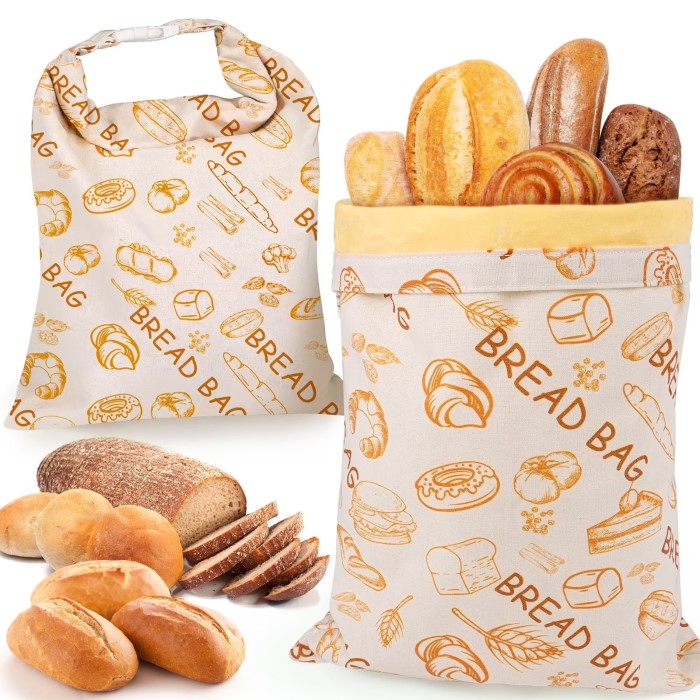
The Importance of Using a Bread Bag
1. Keeping Bread Fresh
The primary role of a bread bag is to keep bread fresh and prevent it from going stale. Bread stored in a breathable bag retains its moisture without becoming soggy. This is vital because the ideal storage method influences the quality and taste of the bread you worked hard to make. By choosing the right materials for your homemade bread bags, you can extend the life of your baked goods.
2. Eco-Friendly Alternative
With the rising awareness of environmental issues, using homemade bread bags provides an eco-friendly alternative to single-use plastic bags. Making your own bread bag allows you to contribute to reducing plastic waste. By embracing reusable solutions, you play a part in preserving the planet while enjoying fresh bread.
3. Customization and Creativity
Creating your own bread bags gives you the freedom to customize your designs. From playful patterns to sophisticated designs, you can reflect your personal style. This project can also be a great way to utilize leftover fabric from other projects, contributing to a more sustainable crafting approach. The ability to customize adds a unique flair to your kitchen, making bread storage not just functional but also aesthetically pleasing.
4. Easy to Maintain
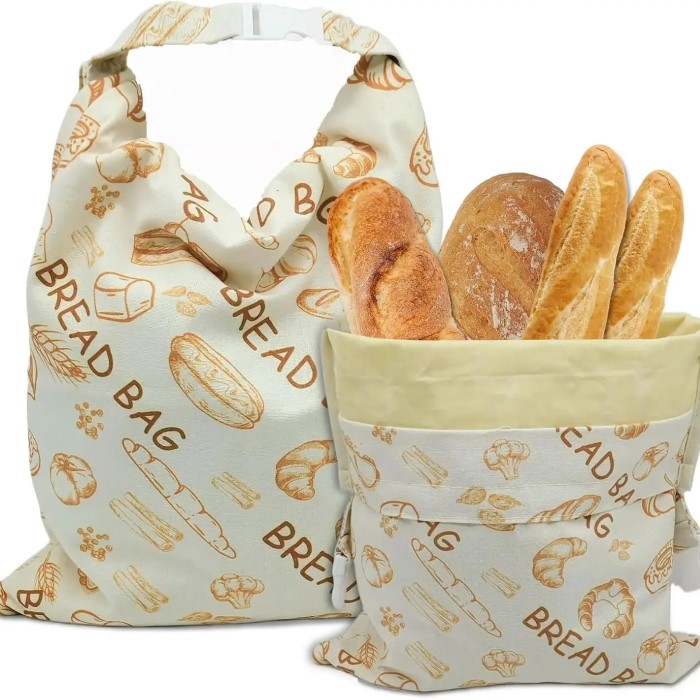
Homemade bread bags are easy to wash and maintain, especially when made from materials like cotton or linen. These fabrics are machine washable and can withstand regular cleaning, ensuring your bag remains hygienic while storing food. Unlike disposable options, reusable bread bags can be utilized for years with minimal environmental impact.
Materials Needed
1. Fabric Choices
When it comes to making homemade bread bags, selecting the right fabric is crucial for maintaining the freshness of your bread. Consider the following materials:
Organic Cotton
- Breathability: Organic cotton is celebrated for its breathable nature. This characteristic makes it an excellent choice for bread bags, as it allows air to circulate around the bread. Proper ventilation is crucial for keeping bread fresh, as it prevents moisture build-up that could lead to mold.
- Durability: In addition to being breathable, organic cotton is a durable fabric. Its robust fibers withstand regular use and washing, ensuring that homemade bread bags can last for a long time without showing signs of wear and tear. This longevity is especially beneficial for consumers looking for sustainable options that reduce waste.
- Eco-Friendly: As an organic material, organic cotton is grown without the use of harmful pesticides or fertilizers. This sustainable farming practice not only benefits the environment but also contributes to healthier soil and ecosystems. By choosing bread bags made from organic cotton, consumers support environmentally friendly practices.
- Moisture Regulation: The moisture-wicking properties of organic cotton help to maintain the ideal moisture level inside the bag. This balance prevents bread from becoming too dry or too moist, extending its freshness and flavor.
Linen
- Natural Anti-Bacterial Properties: Linen stands out among fabrics due to its natural anti-bacterial qualities. This feature helps inhibit the growth of bacteria and mold, making linen an excellent choice for food storage bags.
- Moisture Wicking: Linen is adept at absorbing moisture and can wick away excess humidity from the bread. By doing so, it helps maintain the bread’s ideal texture, keeping it fresher for longer periods.
- Rustic Charm: The unique texture of linen adds a rustic, classic aesthetic to homemade bread bags. This fabric’s natural fibers create a timeless look that appeals to those who enjoy charming, cottage-inspired decor.
- Durability: Linen is known for its high tensile strength, making it highly durable. Unlike some other fabrics that may wear out easily, linen can withstand multiple uses and washes, retaining its quality over time.
Hemp Fabric
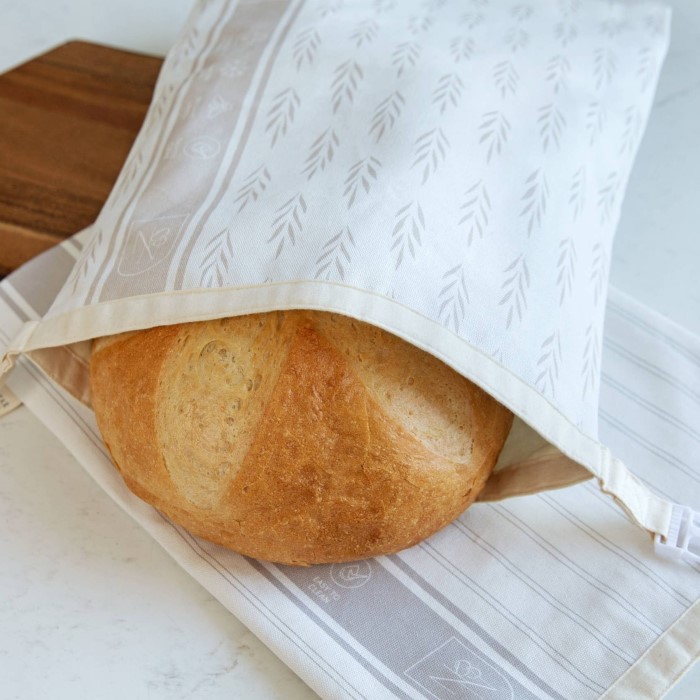
- Sustainable Choice: Hemp fabric is recognized for being one of the most eco-friendly textiles available. It grows rapidly, requires minimal water, and enriches the soil it is grown in. Choosing hemp contributes to sustainable agriculture and environmental conservation.
- Air Circulation: Like organic cotton and linen, hemp fabric allows for excellent air circulation. This property ensures that bread stored in hemp bags remains fresh, as it prevents condensation and moisture retention.
- Anti-Fungal Properties: Hemp naturally possesses anti-fungal properties that further protect your bread from mold and spoilage. This feature makes hemp an ideal material for food storage, promoting longer-lasting freshness.
- Strength and Flexibility: Hemp fabric is strong yet flexible, making it suitable for various designs of bread bags. Its durability ensures that the bag can hold bread securely without tearing or compromising functionality.
Muslin
- Lightweight Option: Muslin is a lightweight fabric that offers a soft and breathable texture. Its lightness makes it easy to handle and perfect for creating simple bread bags that don’t weigh down your loaf.
- Budget-Friendly: Muslin is often more affordable than other fabric options, making it a great choice for those looking to create effective bread bags without breaking the bank. Despite its lower cost, it still serves well in terms of functionality.
- Breathability: One of the key advantages of muslin is its breathability. This characteristic ensures that bread can breathe while being stored, helping to maintain freshness and preventing wetness that leads to mold.
-
Versatility: Muslin is versatile and can be used for more than just bread bags. Its adaptability allows for various sewing projects, making it a useful fabric to have on hand for different DIY tasks.
2. Thread
Choose a strong, color-coordinated thread for sewing your bag. Cotton or polyester-thread works well, depending on your fabric choice. It’s essential to choose a thread that provides durability while remaining visually appealing.
3. Closure Options
Consider what type of closure you want for your bread bag. Options can include a drawstring, Velcro, or even simple buttons. A drawstring option offers versatility and convenience, making it easy to open and close the bag.
4. Additional Supplies
Other essential supplies include:
- Scissors: Sharp scissors are important for accurate fabric cutting.
- Measuring Tape: This ensures precise measurements for your bag.
- Sewing Machine: A sewing machine makes the process faster and more efficient.
- Pins or Clips: These are essential for holding the fabric pieces together while sewing.
Step-by-Step Guide to Sewing Homemade Bread Bags
Creating your own homemade bread bags can be a straightforward and enjoyable project. Follow these steps for a successful sewing experience:
Step 1: Gather Your Materials
Ensure you have all your materials and tools ready. Choose your fabric and decide on the closure method you will use. This step will help you stay organized throughout the project.
Step 2: Measure and Cut the Fabric
Determine the size of your bag based on the type of bread you usually store. A standard size can be about 10-14 inches wide and 16-20 inches long. Measure and cut the fabric according to these dimensions. Remember to leave some extra fabric for seam allowances.
Step 3: Prepare the Edges
To prevent fraying, it’s a good idea to finish the edges with a zigzag stitch or a serger. This ensures that your bread bag remains intact after repeated use and washing.
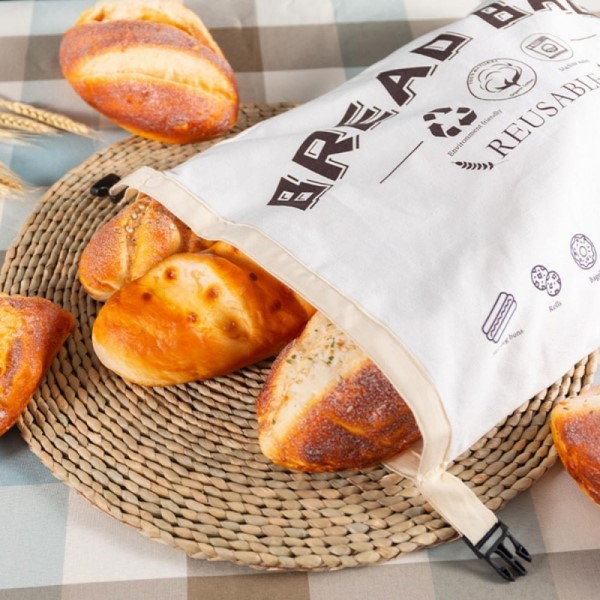
Step 4: Sew the Sides
With the fabric right sides together, pin the sides and bottom edges. Sew along these edges, leaving the top open. Ensure your stitches are even and secure to create a durable bag.
Step 5: Create the Closure
Once the sides are sewn, you can create a casing for a drawstring if that is your closure choice. Fold over the top of the fabric about an inch and sew along the edge, leaving an opening for the drawstring. Alternatively, if using Velcro or buttons, securely attach them based on your design preference.
Step 6: Turn the Bag Inside Out
After trimming excess fabric, turn the bag right-side out to reveal the design. Gently pull at the corners to ensure they take shape.
Step 7: Insert the Drawstring
If you chose the drawstring method, thread it through the opening created earlier. Tie the ends to create the closure, letting the bag gather slightly while remaining functional.
Step 8: Final Touches
Inspect your bag for any loose threads or adjustments needed. Once satisfied with your bread bag, you can decorate it with fabric paint or embellishments if desired. This final touch adds a personal flair and uniqueness to your creation.
FAQs
What is the best material to make a bread bag?
The best materials for making a bread bag include breathable fabrics like organic cotton, linen, and hemp. These materials help keep the bread fresh by allowing air circulation.
Can I make my own bread bag?
Absolutely! Making your own bread bag is not only feasible but also rewarding. With basic sewing skills and the right materials, you can create a bag tailored to your style and needs.
What to use instead of a bread bag?
Alternatives to traditional bread bags include beeswax wraps, cloth napkins, or reusable produce bags, which all allow for airflow while protecting the bread.
How long will homemade bread last in a paper bag?
When stored in a paper bag, homemade bread typically lasts about 2-3 days. For longer preservation, consider freezing the bread.
Conclusion
Sewing your own homemade bread bags is a fun and sustainable way to enhance your kitchen while keeping your bread fresh. By utilizing quality materials, you can craft bags that not only serve practical purposes but also add an aesthetic touch to your kitchen decor.
With the knowledge gained from this guide, you’re equipped to create beautiful and functional bread storage solutions. Embrace the creative process and enjoy the fruits of your labor by showcasing your homemade bread in style. Let this DIY project enhance your baking experience and motivate you to cultivate sustainable practices within your home. Happy sewing and enjoy your delicious, fresh bread!