Introduction: The Joy of Simple Origami for Kids
Simple origami for kids offers a fantastic way to ignite creativity while developing fine motor skills. It is not only a joyful craft but also an engaging activity that can be enjoyed by children of all ages. With just a few sheets of paper, kids can turn a flat piece into an array of delightful figures, from animals to flowers and beyond.
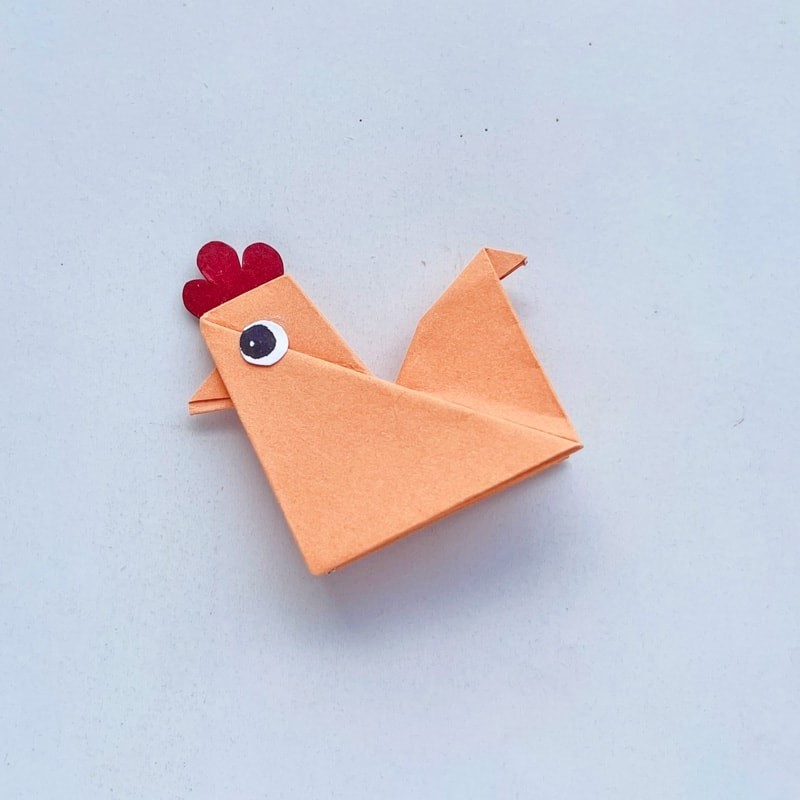
In this article, we will explore a variety of easy origami projects suitable for children. These projects are designed to be straightforward and enjoyable, ensuring a fun experience for both kids and parents. Let’s dive into the magical world of paper folding!
Why Origami Is Great for Kids
1. Enhances Creativity
Origami allows children to express themselves creatively. When kids create origami figures, they use their imagination to interpret designs and choose colors.
- Personal Expression: Crafting each piece gives children the freedom to decide how their creations should look. This practice promotes individual expression and artistic exploration.
- Innovative Thinking: As children develop their origami skills, they may attempt to create original designs. This prompts innovative thinking, which can be beneficial in many aspects of their lives.
2. Develops Fine Motor Skills
The act of folding paper requires precision and dexterity, which is crucial for developing fine motor skills in children.
- Hand-Eye Coordination: Following origami instructions helps strengthen hand-eye coordination. Children learn to match their movements to visual cues, which is an essential skill for various tasks.
- Strengthening Grip: The repetitive motion of folding strengthens hand muscles, improving control and grip. This skill can assist in everyday activities such as writing and drawing.
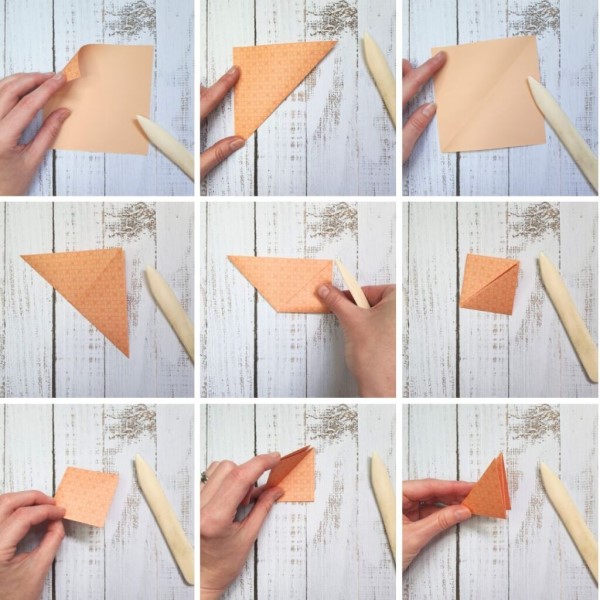
3. Encourages Patience and Focus
Making origami involves various intricate steps that require concentration. Children learn patience as they follow the folding instructions.
Step-by-Step Process: Enhancing Focus and Attention to Detail
- Importance of Attention to Detail:
- Origami projects demand precision and careful attention during each folding step. Children must align edges exactly and follow each folding instruction closely to achieve the desired shape. This meticulous process teaches them the importance of accuracy in crafting.
- Encouraging Focus:
- As kids work through origami projects, they learn to concentrate on each task. This focus fosters a sense of dedication, encouraging them to engage fully with the activity. The hands-on nature of origami allows for immersive experiences that help strengthen their attention spans.
- Comprehending Instructions:
- Successfully completing an origami project requires children to comprehend and follow instructions systematically. As they interpret different stages of folding, they develop critical listening and reading skills. This enhances their learning capabilities both in and out of the classroom.
- Building Spatial Awareness:
- The step-by-step process of folding paper into 3D shapes helps improve spatial awareness. Children visualize how flat paper transforms into multi-dimensional objects, enhancing their understanding of geometric relationships. This skill is valuable not just in art but also in mathematics and science.
- Promoting Goal Orientation:
- Each origami project has an identifiable goal — to create a specific figure. This goal-oriented aspect teaches children to set objectives and persist until they achieve them. Completing origami shapes provides a sense of accomplishment, further motivating them to undertake more complex projects.
Dealing with Frustration: Building Resilience and Patience
- Encounters with Challenges:
- During the folding process, children often face challenges. Misalignments, incorrect folds, or misunderstandings of instructions can lead to frustration. These moments are pivotal for teaching problem-solving skills.
- Learning to Overcome Setbacks:
- When children encounter difficulties, they must learn to evaluate their work critically. This reflection encourages them to identify what went wrong and how they can fix it. Understanding that mistakes are part of the learning process fosters a healthy attitude toward challenges.
- Cultivating Resilience:
- As kids work through their frustration, they develop resilience. They learn that persistence often leads to success. This quality is essential for everyday challenges, teaching kids to endure hardships and overcome obstacles in various aspects of their lives.
- Practicing Patience:
- Origami requires time and practice to master. As children navigate through their project, they become more patient with themselves and the process. This patience can extend to other areas, making them more tolerant of slow progress in academic subjects or personal goals.
- Emotional Regulation:
- Dealing with frustration also aids in improving emotional regulation. Children learn to manage their feelings when faced with challenges, which is vital for social interactions and emotional well-being. Successful navigation of these feelings boosts their confidence in handling future obstacles.
- Encouraging a Growth Mindset:
- The experience of overcoming difficulties in origami crafts promotes a growth mindset. Children begin to understand that effort and persistence lead to improvement. This mindset empowers them to embrace new challenges with enthusiasm, knowing that with practice, they can achieve success.
Simple Origami Projects for Kids
1. Paper Crane
One of the most classic and recognizable origami figures is the paper crane. It has a rich cultural history and symbolizes peace.
- Instructions: Begin with a square piece of paper. Fold diagonally to create a triangle, then follow a series of folds to form a bird. Children will enjoy watching their crane take shape!
- Customization: Kids can get creative by decorating the paper before folding with drawings, stickers, or other embellishments.
2. Origami Dog
Making a simple origami dog is a fun project that kids will love. It is straightforward and offers plenty of room for imagination.
- Instructions: Fold a square piece of paper into a triangle, then fold it in half again. After that, creating the ears and tail completes the dog shape.
- Personalization: Encourage kids to add facial features using markers or colored pencils. This adds a personal touch to their creation.
3. Origami Butterfly
An origami butterfly is another excellent project for children. The process of folding this vibrant insect can be both fun and educational.
- Instructions: Using a square piece of paper, kids will perform a series of simple folds to form the butterfly’s wings and body, making it a delightful and straightforward project.
- Decorative Ideas: Children can use bright paper or decorate their butterflies with patterns before the folding begins, enhancing their visual appeal.
4. Simple Origami Box
A simple origami box is not only fun to make but also practical. Kids can use it to store small treasures or snacks.
- Instructions: Start with a square piece of paper and follow the folds to create the sides of the box. It’s amazing to watch a flat piece transform into a useful container!
- Usage: Once made, children can personalize their boxes with designs or use them for organizing small items around their room.
Tips for Successful Origami Folding
1. Start with Easy Projects
For beginners, it’s important to start with simple origami for kids. Projects like the paper crane or dog are great introductions that build confidence.
- Gradual Progression: As skills improve, encourage children to try more complex designs. This gradual progression helps maintain enthusiasm for the craft.
2. Use Quality Paper
Opt for origami-specific paper or lightweight craft paper. Using quality paper makes the folding process smoother and enhances the final appearance.
- Variety of Colors: Utilize an array of colored papers. This not only makes the projects visually appealing but also allows children to choose their favorites.
3. Gather the Right Tools
While origami primarily requires paper, having a few tools can improve the crafting experience.
- Ruler and Pencil: Use these to measure and mark creases accurately, particularly for intricate designs.
- Scissors (if necessary): Scissors can be handy for cutting paper if starting with larger sheets.
4. Encourage a Relaxed Environment
Create a comfortable and relaxed space for crafting. This helps children focus on their projects without distractions.
- Engagement: Engaging with children during their crafting process encourages bonding and makes the experience more enjoyable.
FAQ About Simple Origami for Kids
What Is the Easiest Origami to Make?
The easiest origami figures are typically basic designs like the paper crane, butterfly, or sailboat. These shapes involve simple folds, making them perfect for beginners.
Can 4 Year Olds Do Origami?
While 4-year-olds may require assistance, they can certainly participate in simple origami for kids projects. Using large pieces of paper and simple designs will help them learn the basics.
Is Origami Good for ADHD?
Yes, origami can be beneficial for children with ADHD. The focus required for folding helps improve concentration and provides an engaging activity that allows for creativity.
How to Make a Very Easy Paper Dog?
To make a simple origami dog, start with a square piece of paper. Fold it diagonally to form a triangle, then fold the corners to create the dog’s ears. Adjust the tail and face to complete the design!
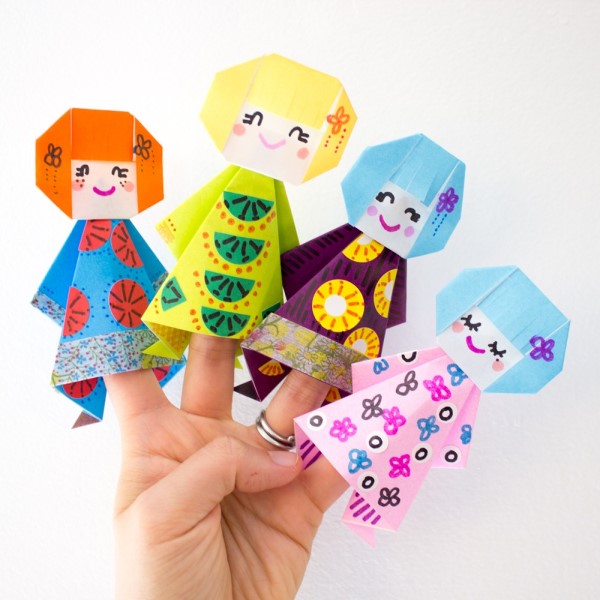
Conclusion: Unleashing Creativity Through Simple Origami for Kids
In conclusion, engaging in simple origami for kids offers a delightful way to inspire creativity and develop vital skills. From enhancing fine motor abilities to fostering patience and focus, origami provides a plethora of benefits for children.
Encouraging kids to explore various origami projects not only enhances their crafting skills but also instills a sense of achievement when they create unique pieces. Gather your materials and enjoy the creative fun today—let the world of origami captivate young minds as they fold their way into a beautiful craft experience! Embrace the joy and wonder of simple origami, and watch as children become artists in their own right.