Introduction to Conductivity of a Paper Clip
When examining everyday objects, one of the most intriguing questions often surfaces: Is a paper clip a conductor or insulator? This seemingly simple question opens up a world of scientific exploration. Paper clips are everyday items, frequently found in offices, schools, and homes, yet their properties can reveal significant insights into materials science. Understanding the electrical properties of materials like paper clips not only deepens our appreciation for these tools but also aids in grasping fundamental concepts in physics and electrical engineering. In this article, we will examine the nature of paper clips, investigate their conductivity, analyze related experiments, and explore their applications in science and education.

Understanding Conductors and Insulators
1. Defining Conductors and Insulators
To answer the question about paper clips, it’s crucial to first define what conductors and insulators are. A conductor is a material that permits electricity to flow through it easily. This is due to the presence of free electrons that facilitate the transfer of electric charge. Common conductors include metals such as copper, aluminum, and iron.
Conversely, insulators are materials that resist the flow of electricity. They lack free electrons and, therefore, inhibit electrical conductivity. Common examples of insulators include rubber, glass, and plastic. By understanding these basic definitions, we can better analyze where paper clips fall on the spectrum of electrical conductivity.
2. The Role of Metal in Paper Clips
Most paper clips are constructed from steel, a metal primarily composed of iron. Metals are generally considered good conductors of electricity due to their free-moving electrons. This characteristic leads us to consider that paper clips can allow electrical current to flow. However, various factors like the type of steel and any coatings on the paper clips can affect their conductivity.
For instance, coated paper clips, often painted or covered with plastic, might behave differently compared to their bare metal counterparts. This variability runs the risk of misleading users regarding their conductivity when viewed superficially.
3. Why It Matters
Understanding whether a paper clip acts as an insulator or a conductor carries practical significance. In science education, teaching students about these properties through hands-on experiments fosters curiosity and engagement. Moreover, proper comprehension of materials can enhance safety, especially when using them in electrical applications. For example, knowing if a paper clip can conduct electricity is important when considering its use in a circuit.
Analyzing the Conductivity of a Paper Clip
1. Conductivity Tests: Fun Experiments
Is a paper clip a conductor or insulator? Conducting simple experiments can decisively answer the question of whether a paper clip is a conductor or insulator. You can perform a basic conductivity test that is both informative and engaging. Here’s how to do it:
Materials Needed:
- A standard 1.5V battery
- A small light bulb or LED
- Wire with alligator clips
- A paper clip (bare and coated)
Experiment Steps:
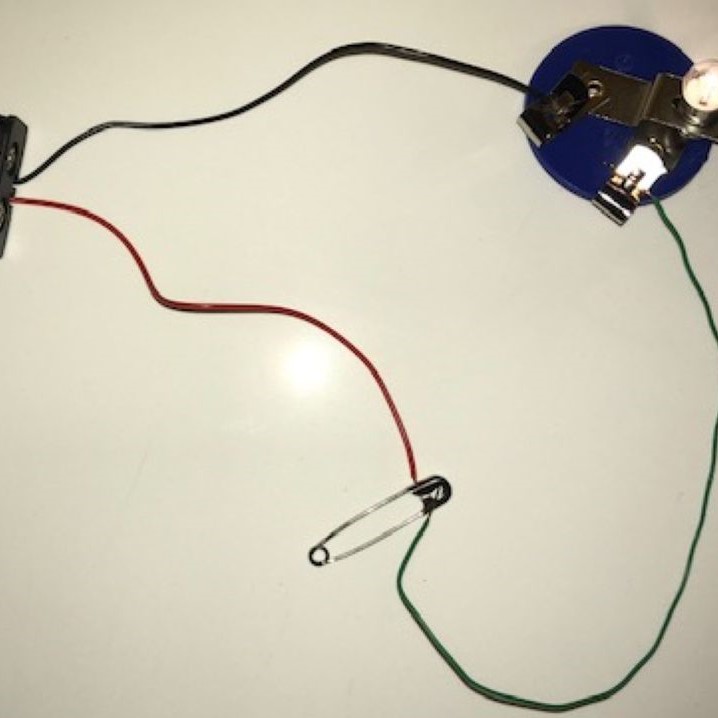
- Create a simple circuit by connecting the battery to the light bulb using wires.
- Introduce the paper clip into the circuit by connecting it in parallel with the light bulb.
- Check whether the light bulb illuminates.
If the light bulb lights up when the paper clip is included in the circuit, it indicates that the clip is functioning as a conductor. If it doesn’t illuminate, the paper clip might be acting more as an insulator.
2. Observations and Interpretations
Through this experiment, you may discover something fascinating. Most standard steel paper clips will allow the bulb to light up, confirming their property as conductors. However, if you introduce a coated paper clip, you may observe that the bulb doesn’t light up. This outcome occurs because the insulation from the coating prevents the electrical current from passing through effectively.
These engaging experiments help students understand theoretical concepts in practice. A hands-on approach often cements learning in ways that lectures alone cannot achieve.
3. Real-World Applications
Electrical Engineering:
Knowledge of whether a paper clip is a conductor or an insulator is critical in designing electronic circuits.
Conductive materials like paper clips can be used in circuit prototypes to create connections between components.
Engineers use this understanding to select appropriate materials for wiring, ensuring efficiency and safety in electrical systems.
Materials Science:
Understanding material conductivity contributes to the development of new materials with specific electrical properties.
Researchers can innovate in creating materials that are either highly conductive for efficient energy transfer or insulative for safety reasons.
This knowledge is essential for advancements in technology, such as the development of better batteries or more efficient solar panels.
DIY Projects:
For hobbyists and DIY enthusiasts, recognizing the conductive properties of common items like paper clips enables creative projects.
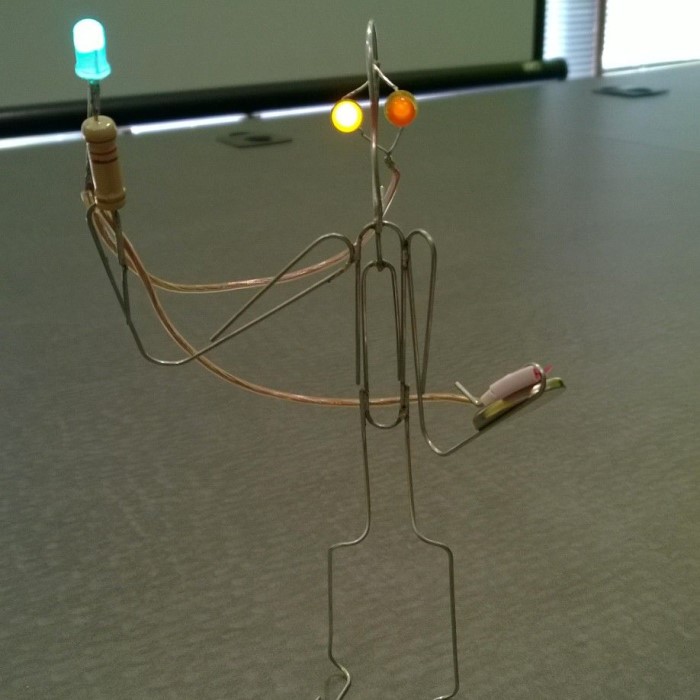
Paper clips can be used in simple circuits for educational demonstrations, hobby robots, or even art installations that involve lighting.
Understanding these concepts empowers individuals to experiment and create with confidence, utilizing everyday materials for practical applications.
Safety Considerations:
Knowing whether a material is conductive or insulative informs safety protocols in various applications.
For example, using insulative materials in high-voltage environments prevents accidents and injuries.
This knowledge is vital for industries such as construction and telecommunications where reliable and safe electrical systems are paramount.
Innovation in Technology:
Insights into material conductivity foster innovation in technology, leading to the development of smarter devices and systems.
This understanding is applied in miniaturization of components for mobile devices, improving overall performance and efficiency.
Exploring the electrical properties of materials can lead to breakthroughs in fields like robotics, renewable energy, and telecommunications.
For instance, if a person is assembling a project involving circuits, knowing which materials conduct electricity helps them choose appropriate components. In times when resources may be scarce, everyday items can certainly augment one’s toolkit if their properties are well understood.
Properties of Paper Clips as Conductors
1. Composition Variability
Is a paper clip a conductor or insulator? The variety of materials used in paper clips can affect their conductivity. While most paper clips are made from plain metal without coatings, some may come with vinyl or plastic coverings. Such coverings may serve aesthetic purposes or prevent rust but also create insulating layers that inhibit conductivity.
To understand how a paper clip performs as a conductor, one should examine its specific material construction closely. Plain metal clips are reliable conductors, while painted or coated options may act as insulators, thus hindering electrical flow.
2. Implications for Safety
Understanding the conductivity of paper clips carries implications beyond scientific inquiry. In electrical environments, one must prioritize safety and reliability. If someone uses a coated paper clip to complete a circuit unknowingly, they may inadvertently create a dangerous situation. Awareness of which materials can conduct electricity is vital in minimizing risks.
3. Exploring Alternative Materials
If you’re curious about using everyday items in circuits or scientific applications, consider experimenting with various types of clips and materials. For example, you might use paper clips made from different alloys, each potentially exhibiting unique conductive properties. Exploring alternative materials in science education fosters innovation and analytical thinking, encouraging students to experiment with accessible resources.
Frequently Asked Questions (FAQs)
1. What Is a Paper Clip: Conductor or Insulator?
Most paper clips, made primarily from metal, operate as conductors due to the conductive nature of metals. However, the presence of coatings or finishes may affect their ability to conduct electricity.
2. Is Paperclip an Insulator or Conductor?
Generally, paperclips are classified as conductors due to their metallic composition and the presence of free electrons. However, certain coated paperclips may demonstrate insulative properties.
3. Are Paper Clips a Conductor?
Yes, paper clips typically conduct electricity because they are made from metal, which allows electrical current to flow through them efficiently.
4. Do Paper Clips Carry Electricity?
Under normal circumstances, paper clips can carry electricity due to their metallic nature. However, if covered with insulating materials, their ability to conduct may be compromised.
Conclusion: Exploring Materials through Everyday Items
Is a paper clip a conductor or insulator? Ultimately, examining whether a paper clip is a conductor or insulator reveals much about material properties and their implications in various contexts. Paper clips, primarily made from conductive metals, serve well in electrical applications when uncoated. Conversely, coated options may act as insulators, raising questions about their utility in circuits.
Through hands-on experiments and real-world applications, learners can grasp the significance of conductivity and materials science. This understanding not only enriches scientific education but also empowers individuals to use readily available resources creatively and safely.
By engaging in such explorations, students and enthusiasts alike enhance their knowledge of basic physical principles while fostering curiosity about the world around them. The exploration of common objects like paper clips exemplifies how everyday items can serve as tools for learning and discovery in science.