Introduction
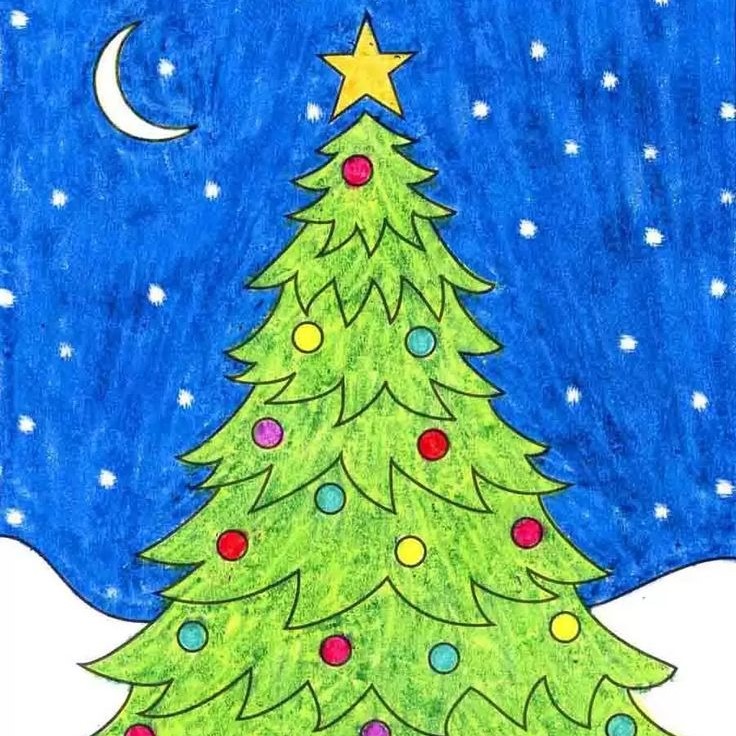
As the holiday season approaches, many families seek ways to celebrate with creativity. One delightful activity that can engage children and beginners alike is christmas tree drawing. Not only does it provide an opportunity to express artistic flair, but it also fosters family bonding as everyone gets involved in decorating festive trees on paper. In this article, we will explore various simple Christmas tree drawing ideas tailored for kids and beginners. These ideas will enhance drawing skills and contribute to the festive spirit during this magical season.
Why Drawing a Christmas Tree is a Great Activity
Drawing a Christmas tree is a wonderful and beneficial activity for several reasons. Let’s delve deeper into each aspect:
Encourages Creativity
- Unleashing Imagination: Kids have the chance to unleash their imagination by drawing. They can experiment with different colors, shapes, and styles to create a tree that reflects their personality and creativity.
- Diverse Expressions: Children can draw their dream trees adorned with unique ornaments, colors, and themes. This level of expression fosters creativity and helps them develop artistic skills.
Improves Fine Motor Skills
- Hand-Eye Coordination: For younger children, drawing helps develop fine motor skills. Holding crayons, markers, or pencils engages their hand-eye coordination, which is fundamental for future writing and other tasks.
- Control and Precision: As kids practice drawing trees and detailing their decorations, they improve their dexterity and control over art supplies. These skills translate into confidence in their overall artistic abilities.
Promotes Family Bonding
- Shared Family Fun: Drawing can be a shared project among family members. Children enjoy drawing alongside parents or siblings, allowing quality time spent together while crafting unique decorations.
- Creating Lasting Memories: Collaborating on art projects fosters creativity, laughter, and joy, creating memorable experiences that strengthen familial bonds.
Learning Opportunities
- Shapes and Colors: Engaging in drawing can teach children about shapes and colors. They navigate triangles for trees, circles for ornaments, and various colors while illustrating their vision.
- Art Techniques: As kids experiment with different techniques and styles, they gain knowledge that benefits their future art projects, enhancing their appreciation of art overall.
Simple Christmas Tree Drawing Ideas for Beginners
If you are pondering how to make an easy Christmas tree drawing, fear not! Here are some simple techniques and ideas to get started:
Basic Shape Trees
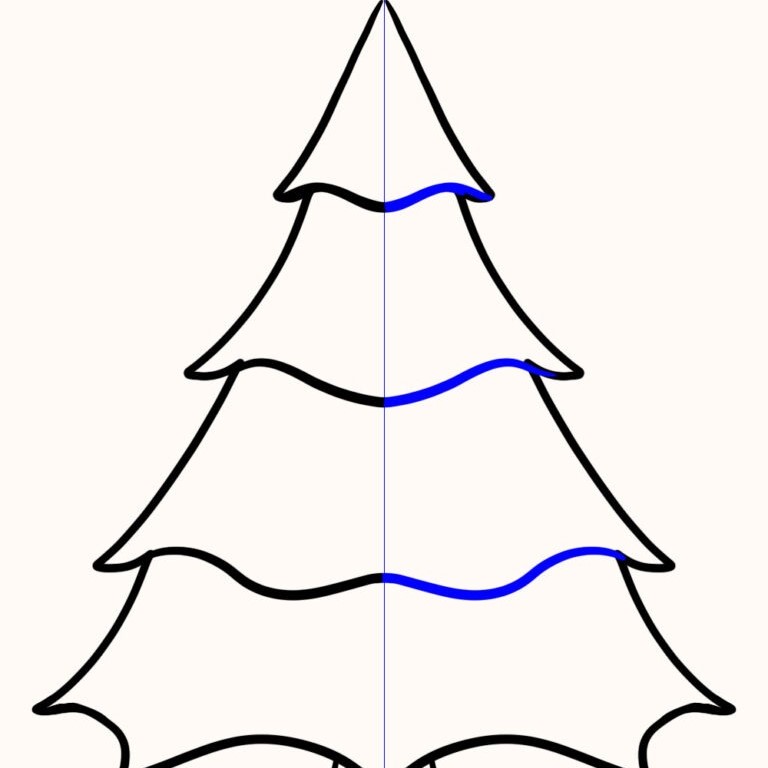
- Start Simple: Begin by drawing simple triangles. An inverted triangle forms the tree’s outline—a foundational shape perfect for beginners.
- Expand Gradually: As confidence grows in drawing basics, children can enhance their skills by exploring more complex forms.
Layered Tree Technique
- Multiple Overlapping Triangles: Create layers for your Christmas tree by drawing multiple overlapping triangles, slightly smaller than the last. This method results in a fuller, more realistic tree appearance and provides depth.
- Adjust the Angles: Experiment with varying triangle angles to achieve different styles of trees, whether tall and narrow or short and bushy.
Add Decorations
- Creative Freedom: Once the tree shape is established, children can decorate it with dots, stars, or ornaments. This artistic liberty allows them to use various colors and designs to make their trees unique.
- Crafty Embellishments: They can also cut out shapes from colorful paper, such as stars, to paste onto their drawings, making it a fun mixed-media project.
Use Templates
- Tracing for Success: Templates can be helpful for those preferring a guided approach. Kids can trace outlines of different tree designs, building confidence as they get comfortable with drawing.
- Printable Templates: Many resources online provide printable templates. These can serve as a starting point for creative variations on the traditional Christmas tree.
Creative Drawing Tips for Kids
When kids start drawing, they may feel a bit unsure. Here are some creative tips to enhance their drawing experience:
Encourage Experimentation
- Embrace Various Materials: Let children use various materials, including crayons, colored pencils, watercolors, or markers. Encouraging them to be spontaneous helps develop their style.
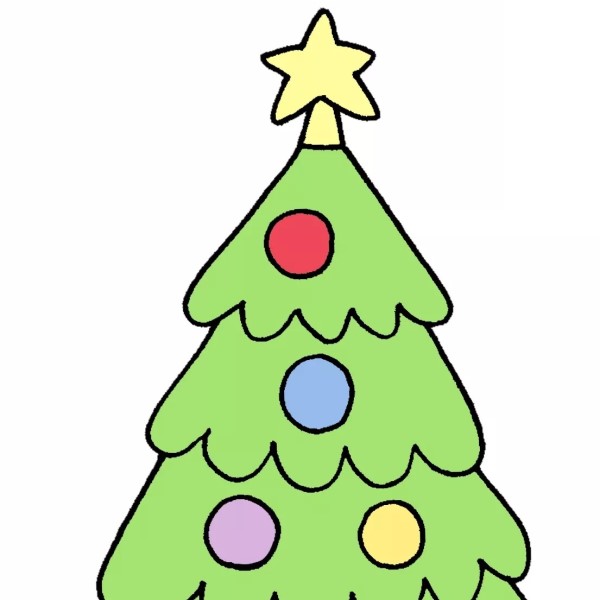
- Color Outside the Lines: Allow them to use colors not typically associated with a Christmas tree. Pink trees, blue snow, or purple ornaments can create whimsical, imaginative art.
Incorporate Nature
- Natural Elements: Consider bringing elements of nature into the drawing. Children could add pine cones, snowflakes, or birds to complement their tree drawings. These additions create depth and intricacy!
- Textures of Nature: Encourage them to draw tree bark texture at the base of the trunk or depict falling snowflakes to enhance the atmosphere of their artwork.
Theme Your Artwork
- Unique Themes for Each Tree: Suggest themes for drawings, like elegant trees adorned with golden stars or vibrant, colorful designs inspired by fantasy. This level of thought can enhance creativity!
- Dynamic Presentation: Encourage them to display their themed drawings together, perhaps creating a festive mural of holiday trees that showcase their artistic development through the season.
Art with a Purpose
Decorate for the Season
- Utilize Drawings as Holiday Decorations: Engage your children in a creative discussion about how their Christmas tree drawings can be transformed into festive decorations. By using their artwork as part of the holiday décor, kids can feel a sense of ownership and pride in their contributions to the season’s festivities.
- Create Handmade Cards: Encourage kids to use their unique tree drawings to design holiday cards. They can decorate blank cards with their artwork and then write personal messages inside. This not only makes beautiful and heartfelt cards but also adds a personal touch to the holiday greetings sent to family and friends.
- Make Wall Décor: Consider hanging their drawings as wall décor around the home. Use colorful strings or decorative tape to display their artwork prominently. This visual display can create a warm and inviting atmosphere, filling the home with the spirit of creativity and joy.
- Incorporate Art into Gift Wrapping: Suggest using their drawings as customized wrapping paper or gift tags. Simply photocopy or scan the original artwork onto larger sheets of paper. This adds a unique and personal touch to holiday gifts while also making children feel proud of their artistic contributions.
- Host Art Display Areas: Create specific spots in your home, such as the living room, hallway, or kitchen, to showcase these pieces of art. This could be a rotating display that features different artworks throughout the holiday season, ensuring that every piece gets its moment to shine.
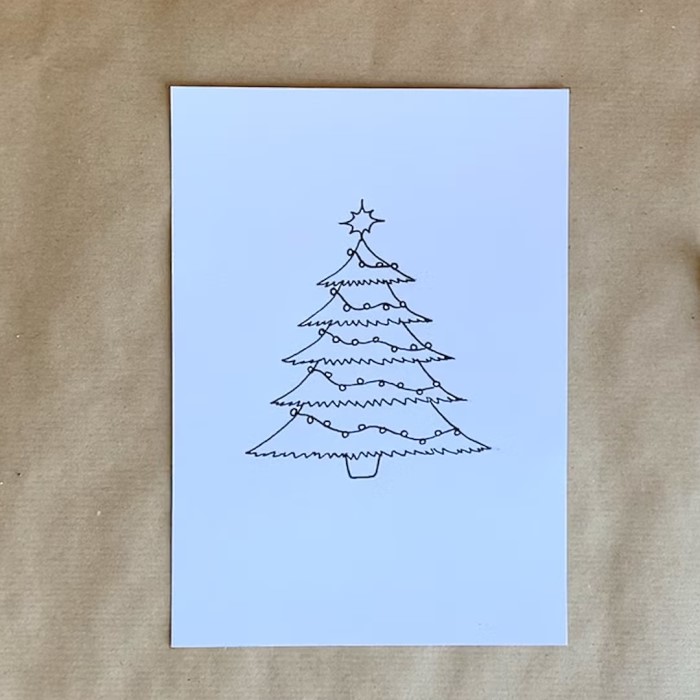
Exhibit Their Work
- Organize a Family Mini-Exhibit: Transform your home into a mini-exhibit where every family member can showcase their artwork, including those drawn by the children. Set up an exhibition day where each person presents their creations, explaining their artistic processes and what inspired them.
- Use Designated Spaces for Artwork: Select specific areas, such as a wall or large poster board, where all the artists’ works can be displayed together. Arrange the drawings creatively, allowing each piece to complement the others. This not only showcases their creativity but also makes the exhibit visually appealing.
- Encourage an Artistic Discussion: During the mini-exhibit, encourage family members to walk around and discuss the artwork. This fosters communication around their creative processes and helps develop confidence in discussing their art with others.
- Photograph the Exhibition: Capture the mini-exhibit by taking photographs of the displayed artwork and the artists with their pieces. These photos can be used to create family memories, which can be cherished for years to come.
- Recognize Artistic Achievement: Lastly, provide positive reinforcement and praise for each piece of art presented. Acknowledging their hard work fosters a sense of accomplishment and pride in their creativity, encouraging them to continue expressing themselves artistically in the future.
Techniques for Realistic Christmas Tree Drawings
If older children want to achieve a more realistic appearance, they can apply these advanced techniques:
Shading and Depth
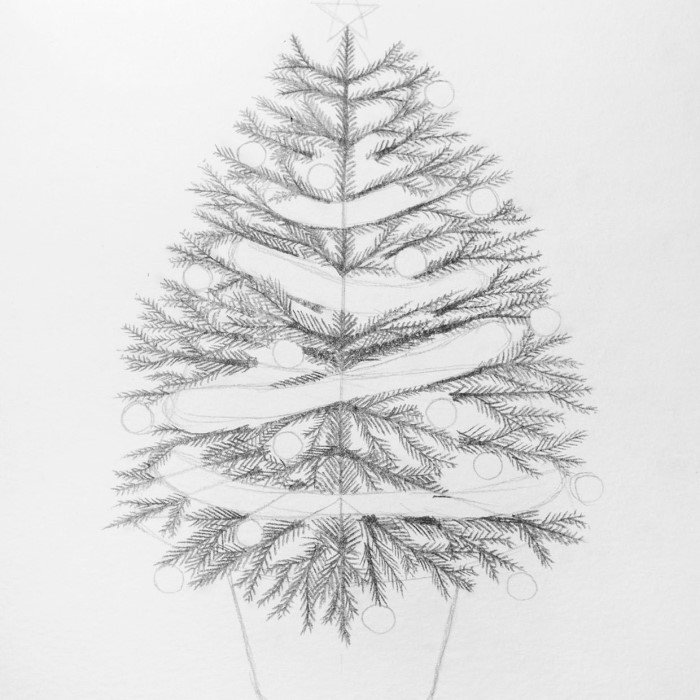
- Introduce Shading Techniques: Teach them how to use shading to create depth. Suggest applying darker shades towards the base of the tree and gradually lightening as they move up.
- Blending Colors: Encourage mixing and blending colors to enhance the three-dimensional appearance of the tree, transforming simple drawings into captivating artwork.
Textures
- Explore Different Textures: Kids can learn how to create realism by employing various stroke techniques. For instance, repetitive dashes can represent tree needles, while smooth strokes can showcase decorations and baubles on the tree.
- Experiment with Different Tools: Students can try different drawing tools, such as blending stumps or specific brushes, to enhance their textures further.
Lighting Effects
- Create Light and Shadow: Introduce concepts of lighting. They can draw soft glows around the tree or light reflections on ornaments to accentuate the three-dimensional effect.
- Highlighting Techniques: Kids can learn how to highlight specific areas of the drawing to give it a lively feel, drawing viewers’ eyes to the most captivating elements.
Incorporate Background Elements
- Contextualizing the Artwork: Encourage them to draw a background scene, such as a snowy landscape, cozy room, or festive party, where the Christmas tree resides. This contextualizes their artwork and makes it more immersive.
- Enhancing Themes and Colors: As children paint or draw their backgrounds, encourage cohesive themes to tie their tree into the larger context of the artwork, using color harmony.
Answering Frequently Asked Questions
To further assist budding artists, let’s address some common questions about drawing Christmas trees:
- How to make an easy Christmas tree drawing?
Start with simple shapes like triangles and decorate them with dots for ornaments. Layering triangles also creates a fuller tree effect, perfect for beginners. - What can a 7-year-old draw realistically?
A 7-year-old can realistically draw basic shapes like Christmas trees, animals, or simple landscapes. Encouraging them to use templates can help gain confidence in their skills. - How do I make my Christmas tree look classy?
Use elegant color palettes such as gold, silver, and white. Adding minimalistic decorations and a deliberate, neat style contributes to a classy look. - What kind of Christmas tree is easiest to draw?
The easiest Christmas tree to draw is the basic triangular shape. Children can get comfortable with this before exploring layered trees or more detailed designs.
Conclusion
In conclusion, Christmas tree drawing is an engaging and rewarding activity that can nurture creativity in children and beginners. By exploring simple ideas and techniques, children can create beautiful artwork while learning valuable skills. As families gather to celebrate the season, these drawings become a cherished part of holiday traditions. Each child’s artistic expression contributes to the festive atmosphere, delighting not only the young artists but the entire family.
As you embark on this creative endeavor, encourage kids to enjoy the process. Provide support, inspire experimentation, and have fun! Whether they keep their drawings for personal enjoyment or use them to adorn your holiday decorations, each tree tells a story and captures the joy of the season. So grab some paper and let the creativity flow this Christmas!