Introduction
The holiday season is a time for creativity and joy, and what better way to celebrate than through art? Christmas lights drawing is an engaging and fun activity that allows individuals, both young and old, to express their love for the festive season. Not only does it provide an opportunity to enhance artistic skills, but it also encourages family bonding as you create together. In this article, we will explore various fun Christmas lights drawing tutorials, offering step-by-step instructions and tips to help you illuminate your art and bring holiday cheer to your creations.
The Significance of Christmas Lights in Holiday Art
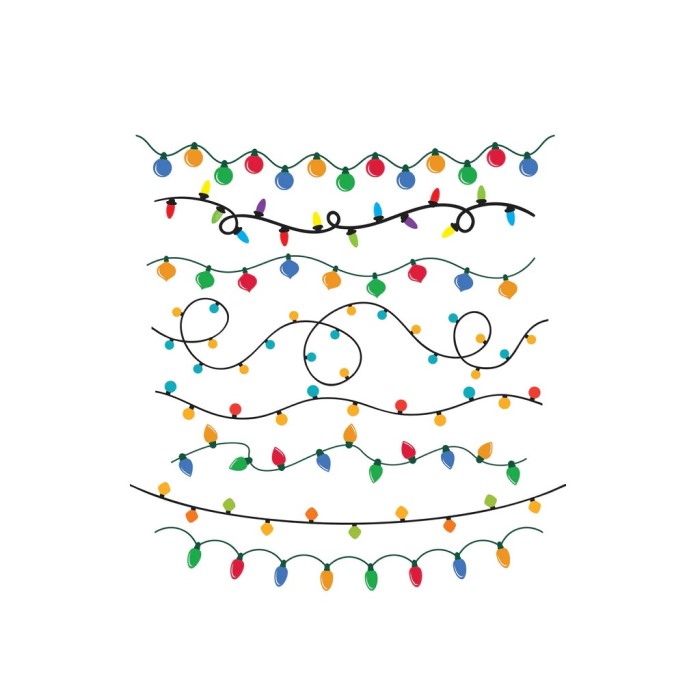
Christmas lights have become a symbol of holiday celebration, illuminating homes and streets during the festive season. Their vibrant colors and patterns make them an ideal subject for art. Let’s take a closer look at why drawing Christmas lights is not only enjoyable but educational as well:
1. Celebrating Tradition
- Symbolism of Light: Christmas lights represent hope, joy, and the spirit of giving. Drawing them helps individuals connect with these positive emotions and traditions.
- Diverse Cultures: Many cultures have their own unique ways of celebrating the holidays, often incorporating light into their traditions. This universal theme connects families and friends around the globe.
2. Creativity Unleashed
- Vibrant Colors: Christmas lights come in various colors, offering artists the chance to play with their palette. This variety allows for creative expression and the opportunity to explore color theory while having fun.
- Different Shapes and Styles: From classic round bulbs to modern LED designs, the variety of light styles offers artists countless opportunities to experiment and adapt their artwork to reflect personal preferences.
3. Development of Artistic Skills
- Improving Techniques: Practicing Christmas lights drawing helps improve essential skills like shape awareness, shading, and color blending. These skills are transferable to other artistic endeavors.
- Boosting Confidence: Successfully drawing Christmas lights can enhance an artist’s confidence in their abilities. This newfound confidence may motivate them to take on more complex subjects.

Gather Your Supplies
Before diving into the drawing tutorials, it’s essential to gather the necessary supplies. Here’s what you will need:
1. Basic Drawing Tools
- Pencils: Start with a good quality drawing pencil for sketching outlines. Consider using a variety of pencils (H, B, and 2B) for different shading techniques.
- Erasers: A soft eraser will help clean up any mistakes during the drawing process, allowing for adjustments as needed.
2. Coloring Materials
- Colored Pencils or Markers: Both options work well for adding vibrant colors to your Christmas lights. Colored pencils are perfect for blending, while markers provide a bold, uniform appearance.
- Watercolors: These can also be used for painting over pencil drawings, giving a soft bright appearance that imitates the look of twinkling lights.
3. Paper Types
Drawing Paper
- Choosing the Right Type: Selecting appropriate drawing paper is essential for achieving the desired results in your artwork. Different types of paper are suited for different mediums, so it’s crucial to understand what works best for your needs.
- Thick, Textured Art Paper: Thick and textured art paper is highly recommended for a variety of mediums, including charcoal, pastels, and watercolor. The texture of this type of paper allows for better grip and adherence of the medium, which enhances the depth and richness of your artwork.
- Durability: Because thick paper can withstand more pressure and manipulation, it is less likely to warp or tear during the drawing process. This is particularly important for artists who apply multiple layers of paint or who use vigorous drawing techniques.
- Fine Pencil Work: On the other hand, while thicker textured papers are excellent for certain mediums, smooth paper is more suitable for fine pencil work. Smooth paper allows for clean lines and details. It enables artists to achieve a more precise and refined look in their drawings because the pencil glides easily without affecting the integrity of the line.
- Heavy Paper for Paint: When working with paint, heavier paper is essential. The additional weight of the paper prevents it from becoming saturated too quickly, allowing for better control when applying watercolor or acrylic paints. It also minimizes bleed-through, ensuring that colors remain vibrant and distinct.
Sketchbook
- Importance of a Dedicated Sketchbook: Incorporating a dedicated sketchbook into your artistic practice provides numerous benefits. It serves as a personal space to explore ideas, experiment with different techniques, and document artistic progress over time.
- Easy Practice: A sketchbook allows for easy practice, making it simpler to develop drawing skills. Artists can doodle, sketch, and practice without the pressure of completing a perfect piece of artwork. This informal practice helps build confidence and promotes artistic growth.
- Organizing Ideas: Keeping a sketchbook helps artists organize their ideas. By recording sketches, notes, and concepts in one place, it becomes easier to reference past work or revisit ideas for future projects. This system cultivates a more methodical approach to artistic development.
- Tracking Progress: Sketchbooks can serve as a timeline for your artistic journey, allowing you to look back at previous drawings and recognize improvement over time. This visual representation of growth can inspire continued practice and exploration.
- Portability and Accessibility: Most sketchbooks are designed to be portable, allowing artists to take them anywhere. This means you can practice drawing on the go, whether in a park, a coffee shop, or during travel. This accessibility encourages frequent drawing, fostering a habit of regular creativity.

Step-by-Step Christmas Lights Drawing Tutorials
Now that you have your supplies, let’s dive into some straightforward and fun Christmas lights drawing tutorials. Each tutorial will contain key steps to guide you.
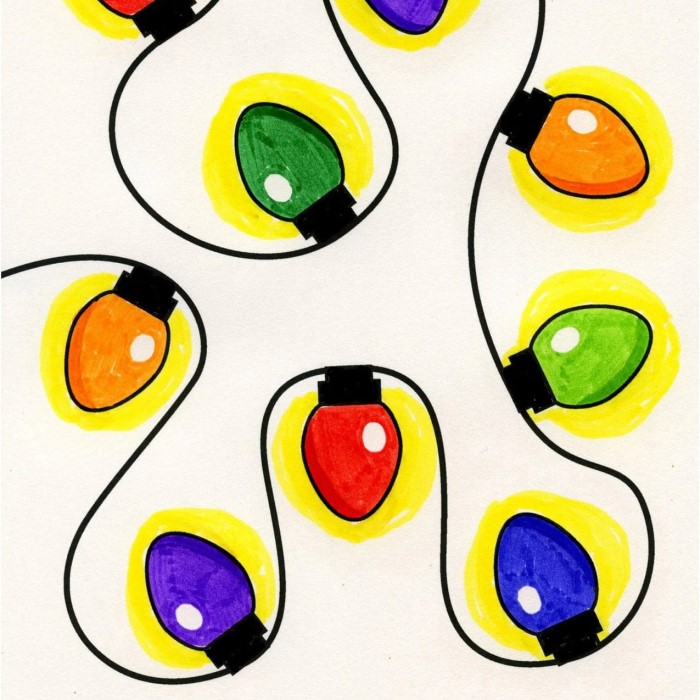
1. Simple Christmas String Lights
- Step 1: Start by sketching the outline of the string. Create a wavy line across the paper to represent where the lights will hang.
- Step 2: Draw small teardrop shapes along the string for the bulbs. Ensure they’re spaced evenly and vary the size for a more natural look.
- Step 3: Add details to the bulbs by drawing lines to represent the reflectiveness. Keep them rounded at the ends.
- Step 4: Color the bulbs in vibrant shades, using shadows to add dimension. Highlight the edges where light hits the bulbs.
Christmas Tree with Lights
- Step 1: Start by drawing a triangular shape for the Christmas tree. Ensure it has a sturdy base.
- Step 2: Add layers to the tree by creating horizontal lines across it, indicating branches.
- Step 3: Sketch bulbs on the tree as before, varying in size, and include decorations throughout the tree.
- Step 4: Color the tree in various shades of green, ensuring each layer has a different tone. Use bright colors for the lights, adding realistic shading and sparkle.
Twinkling Lights in a Jar
- Step 1: Begin by drawing a mason jar outline, focusing on the curves to give it a three-dimensional appearance.
- Step 2: Inside the jar, add small circles and teardrop shapes representing the lights. Overlap some shapes to create depth.
- Step 3: Draw the wire spirals connecting the lights, making sure they look tangled for realism.
- Step 4: Color the lights using vibrant tones, and use white to add highlights. Color the jar lightly with blues or greys to showcase glass reflections.
Enhancing Your Art with Extra Details
To further illuminate your artwork, consider incorporating additional details that bring your Christmas lights to life. Here are some ideas:
1. Background Elements
- Creating Context: Draw thematic backgrounds, such as snowy landscapes, cozy homes, or holiday decorations. This helps your Christmas lights stand out and adds depth.
- Use of Shadows: Add shadows beneath the string lights and more detailed shading throughout to create a three-dimensional effect.
2. Compositions and Arrangements
- Layered Designs: Experiment with layering different light designs and arrangements. This can create a more intricate piece of art that captures the eye.
- Dynamic Movement: Consider drawing lights in motion, with swirls or twinkings, making the artwork feel more vibrant and joyful.
3. Thematic Additions
Include Seasonal Symbols:
- Incorporate Various Holiday Icons: Enhance your artwork by integrating a diverse array of holiday symbols. Consider using charming stars that can twinkle with festive cheer or delicate snowflakes that evoke a winter wonderland ambiance.
- Use Ornaments and Lights: Add colorful ornaments or string lights to further enrich the visual appeal, creating a vibrant and joyful atmosphere that captures the essence of the holiday season.
- Create a Cohesive Theme: Ensure that these symbols are not randomly placed but instead thoughtfully arranged to establish a cohesive and harmonious holiday theme throughout the artwork.
Personal Touch:
- Encourage Individual Expression: Allow children to express their creativity by personalizing their drawings. They can add their own names, which fosters a sense of pride and identity in their artistic creations.
- Incorporate Festive Phrases: Encourage children to include festive phrases or holiday greetings in their work. This not only enhances their connection to the artwork but also makes it more meaningful and commemorative.
- Foster Ownership and Engagement: By giving children the opportunity to personalize their artwork, you promote a sense of ownership and engagement, making the artistic process more personal and enjoyable for them.

Final Thoughts on Christmas Lights Drawing
In conclusion, Christmas lights drawing is a delightful and engaging way to celebrate the holiday season. It provides a unique opportunity for creative expression while allowing you to bond with family and friends. By following the tutorials outlined in this article, you can learn to create beautiful works of art that capture the joyful spirit of Christmas.
As you embark on this drawing journey, remember that practice makes perfect. Don’t hesitate to explore new ideas and share your creations with others. The beauty of art lies in its ability to bring joy, and holiday-themed drawings can enhance your festive celebrations. So grab your drawing supplies, unleash your creativity, and let the magic of Christmas lights illuminate your art!