Introduction
A palette knife is an essential tool for artists seeking to add texture and depth to their artwork. Unlike traditional paintbrushes, palette knives have a unique design that enables a diverse range of techniques. They allow artists to create stunning effects that can transform a flat canvas into a rich, dimensional piece of art. This article will delve into various techniques, working practices, and tips for mastering the use of palette knives, ensuring that you can elevate your art to new heights.
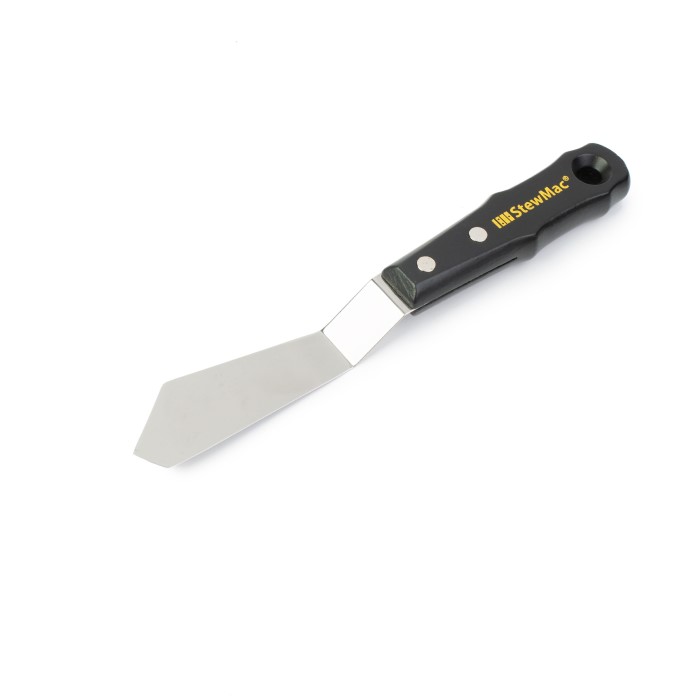
Using a palette knife can revolutionize your painting process. The versatility offered by this tool makes it invaluable not only for professional artists but also for amateurs. Many artists prefer palette knives for their ability to create bold textures, which can give paintings an impressionistic feel. Whether you’re working with acrylics, oils, or even watercolors, palette knives can be adapted for various mediums.
Understanding the Palette Knife
Before diving into the techniques, it’s essential to understand what a palette knife is and its purpose in art. Typically made of flexible metal, the blade of a palette knife is flat and tapered, resembling a spatula more than a traditional brush. This design offers several advantages:
- Versatility: Palette knives can be used for mixing paint, applying it directly to the canvas, and even scraping off layers to reveal underlying textures.
- Control: The flat blade provides excellent control over the amount of paint applied, allowing for precise layering.
- Unique Textures: The flexibility of the blade allows artists to create textures and effects that are hard to achieve with brushes.
Using a palette knife can revolutionize your painting techniques and help you express your artistic vision more effectively. As artists modernize their practices, the use of palette knives increasingly integrates merging traditional painting with contemporary concepts. Many artists have shown that creative expression can take new forms, thanks to these dynamic tools.
Essential Techniques
Mastering palette knife techniques involves practice and experimentation. Here are some essential techniques to enrich your artwork:
1. Lifting and Scraping
Lifting paint can create interesting textures and layers. This technique involves applying a thick layer of paint and allowing it to partially dry. Using the edge of the palette knife, scrape across the painted area to lift off some paint and reveal the canvas beneath.
- Tip: Experiment with different pressures to achieve various effects. Scraping lightly will yield more control, while applying pressure can create dramatic effects. You can also combine this technique with layering different colors for dynamic results.
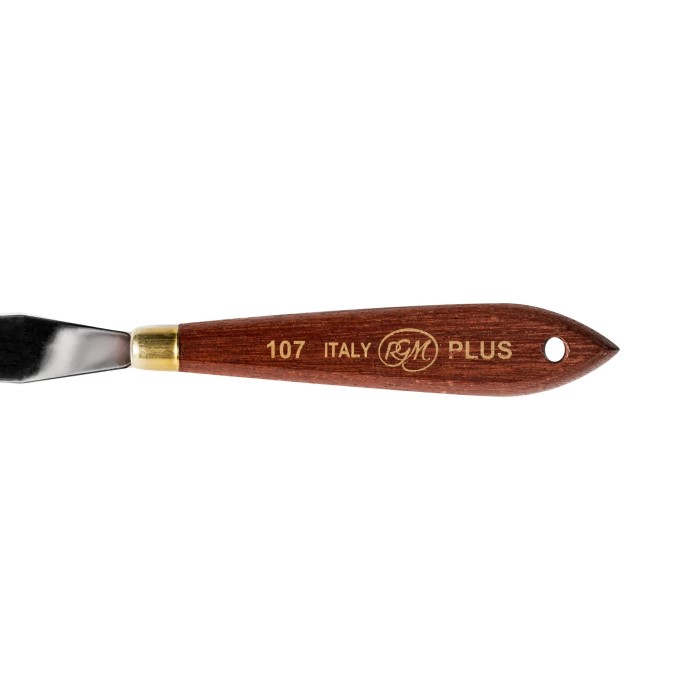
2. Stabbing and Dabbing
This technique is effective for creating abstract pieces. Dip the knife in paint and apply it by stabbing or dabbing onto the canvas. It creates an impasto effect, where paint sits raised off the surface of the canvas.
- Tip: Use multiple colors on the same knife to create blended effects without overmixing. This technique adds vibrancy to your artwork. Try layering colors for a more complex look without mixing them too thoroughly.
3. Blending and Smoothing
Although palette knives are used to create texture, they can also smooth and blend colors effectively. To achieve a soft gradient, swipe the knife across the paint to blend colors gently.
- Tip: Work quickly before the paint dries completely. This allows for seamless transitions between colors. You can also use this technique to create highlights and shadows, adding dimensionality to your art.
4. Creating Lines and Shapes
Using the edge of the palette knife makes it easy to create sharp lines and shapes in your painting. Apply paint and drag the knife to create defined edges or shapes.
- Tip: Use various angles and pressures to generate different shapes and effects. This technique is particularly useful for creating landscapes and abstract art. Combining curved and straight lines can add depth and interest to your composition.
Palette Knife Techniques and Color Mixing
Color mixing is an integral part of painting, and the palette knife is a fantastic tool for this. When preparing your palette, use the knife to blend different colors before applying them to the canvas.
Layering Colors
- Apply One Color at a Time: Begin by selecting the first color you want to use. Make sure to apply it to the canvas in the desired area, maintaining a focus on precise placement. This step helps to lay the foundation for your color scheme.
- Use a Clean Knife for Blending: After applying each color, take a clean palette knife to blend it with adjacent colors. Cleaning the knife between uses prevents any unwanted colors from contaminating your new layers. This step is crucial for achieving the clarity and vibrancy of each shade.
- Develop Complex Color Schemes: By layering colors in this manner, you create a multi-dimensional effect. This technique allows for a gradual shift between colors, enabling you to develop intricate color schemes that add depth and interest to your artwork.
- Maintain Clean Lines Between Shades: As you blend, ensure you define the edges between different colors carefully. This attention to detail preserves sharp lines and creates a more polished look, enhancing the overall composition of the piece.
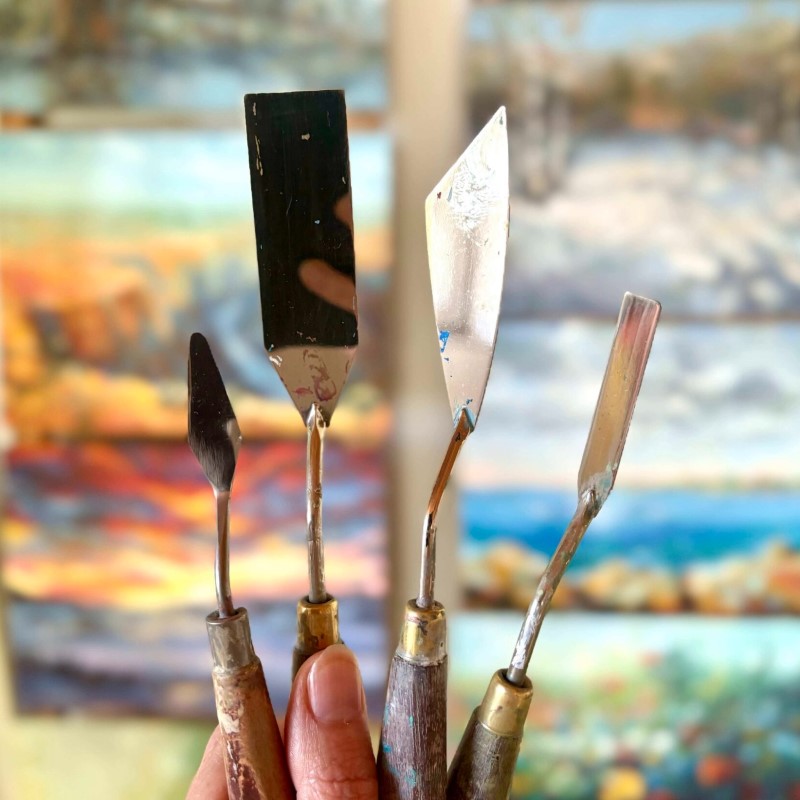
Creating Unique Colors
- Experiment with Mixing Colors: Begin by selecting various pigments that you want to combine. Start mixing them on your palette using the palette knife. This experimentation is vital for discovering unique shades that you won’t typically find in store-bought colors.
- Find Shades Not Readily Available in Pre-Mixed Paints: As you mix different colors, aim to create shades that suit your artistic vision. This approach allows for greater creative freedom, as you can achieve personalized colors tailored specifically to your work.
- Consider the Texture: Remember that the texture imparted by the palette knife affects how the final color appears. The knife adds character and depth to the paint, resulting in a more dynamic surface quality.
- Apply Mixed Paint Directly to the Canvas: Once you achieve a desired color, use the palette knife to apply the paint directly onto your canvas. This method helps to maintain the thickness and texture of the paint, allowing the unique qualities of the mixed shade to shine through.
- Practice and Refinement: Continue experimenting with different color combinations and techniques. Over time, you will develop an intuition for mixing colors and be able to create a diverse palette that enhances the richness of your artwork.
Common Mistakes to Avoid
When using a palette knife, artists can face common pitfalls. Recognizing these can help you improve your technique:
- Using Too Much Pressure: Applying too much pressure can lead to undesired blending. Practice controlling your grip to achieve fine details and textures.
- Not Cleaning the Knife: Failing to clean the blade between color applications can muddy paints. Keeping your knife clean allows for clear transitions.
- Ignoring the Canvas Texture: The texture of the canvas can significantly affect how the palette knife applies paint. Test on different canvases to see how the paint behaves, as some surfaces will absorb paint differently.
- Overly Relying on the Knife: While the palette knife is powerful, overusing it can lead to an overly textured or chaotic piece. Balance your use of the palette knife with traditional brushes to achieve the desired effect.
Frequently Asked Questions
What is a palette knife used for?
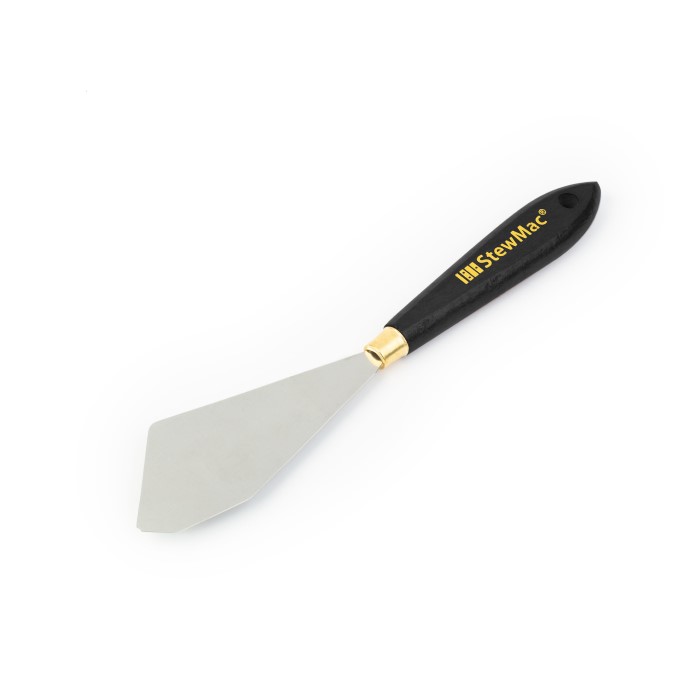
A palette knife is primarily used for mixing and applying paint on the canvas. It can create various effects such as texture, lines, and shapes, making it a versatile tool for artists.
What is a palette knife used for in food?
In culinary arts, palette knives are used for spreading frosting, applying sauces, or even creating unique plating techniques. They are handy for precise applications of sauces or cream and can deliver clean lines when decorating cakes or pastries.
What is the difference between a palette knife and a painting knife?
While both tools have similar designs, a palette knife typically has a flexible blade, while a painting knife often has a stiffer blade. Painting knives can provide different control and effects compared to palette knives.
Can I bring a palette knife on a plane?
Traveling with a palette knife may depend on airline regulations. It’s essential to check with your airline regarding carrying such tools in hand luggage or checked baggage. Some airports have specific guidelines regarding sharp objects, so ensure you are informed before your trip.

Conclusion
In summary, incorporating palette knife techniques into your artwork can unlock new creative possibilities. From creating textures to blending colors, mastering these techniques can enhance your artistic capabilities. Remember to practice regularly and experiment with different methods to find what works best for your style.
Understanding how to effectively use a palette knife allows for greater expression and innovation in your art. By taking the time to explore these techniques, you can expand your artistic toolkit and create engaging, textured masterpieces.
As you continue to work with this versatile tool, your artistry will flourish, bringing new dimensions to your creations. Start experimenting today with your palette knife, and watch your artwork transform! With patience and practice, you’ll master the palette knife techniques that will elevate your paintings and ignite your creativity.