Introduction
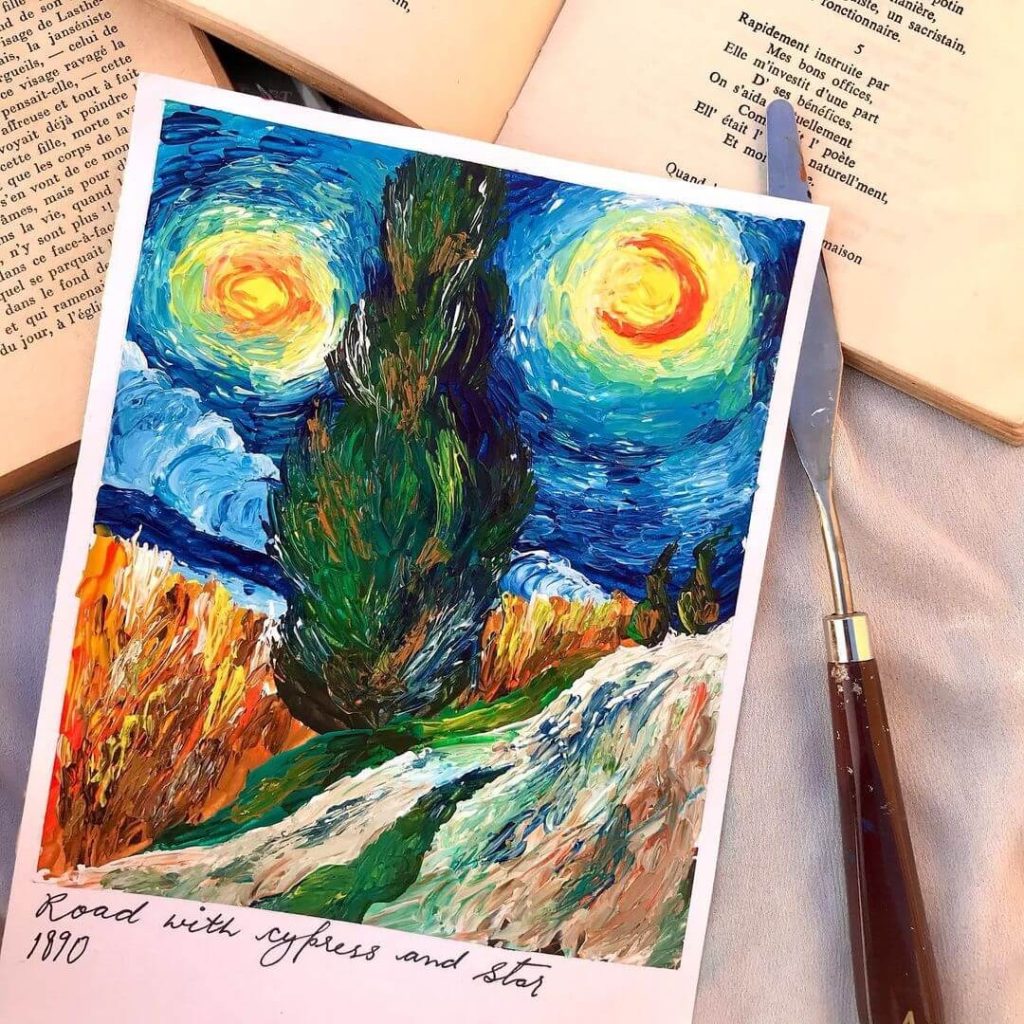
Palette knife painting is a fascinating technique that allows artists to add unique textures and effects to their artwork. Unlike traditional brushes, palette knives offer a versatile and dynamic way to apply paint to the canvas. This approach not only enhances creativity but also transforms a simple painting into a stunning piece of art. In this guide, we’ll explore various techniques of palette knife painting, the tools you need, and tips to make the most of this exciting medium.
Understanding the Palette Knife
Before diving into the techniques, it’s essential to understand what a palette knife is. Essentially, a palette knife is a tool with a blunt edge used for mixing or applying paint. It typically features a flexible blade and a handle, making it easy to maneuver. Let’s delve into the specific characteristics that make this tool valuable for artistic expression:
- Versatility: Palette knives can be used for various techniques, including mixing colors, applying paint, and creating textures. This versatility allows artists to experiment freely with their work.
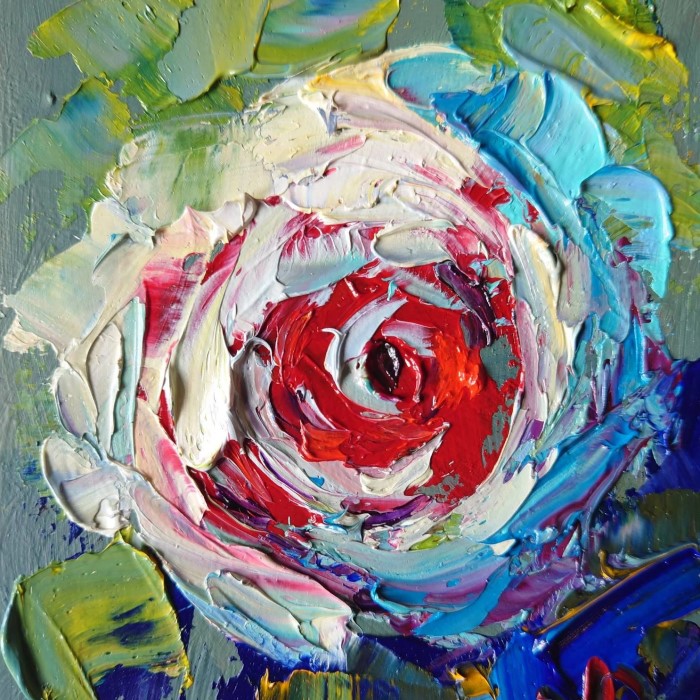
- Texture Creation: One of the main benefits of palette knife painting is the ability to create textured surfaces. The knife can distribute paint in thick impasto strokes or scrape it away for a smoother finish.
- Control: While painting, the knife provides a level of control over the paint application. This feature allows for precision, especially when working on fine details.
- Unique Styles: Artists can develop their own distinctive styles by using a palette knife. Whether you prefer bold strokes or subtle details, this tool offers the freedom to explore various artistic expressions.
Essential Techniques
To master palette knife painting, it’s crucial to familiarize yourself with different techniques. Here are several effective methods to enhance your artwork:
1. Lifting and Scraping
Technique Overview: The lifting and scraping technique involves applying a layer of paint and then scraping it off to achieve a desired effect. This method is particularly useful for creating highlights or adding depth to your work.
- Application: Start by applying thick paint to the canvas. Once the paint is relatively dry but not completely set, use the edge of the palette knife to carefully scrape away sections. This technique uncovers the underlying canvas or previous layers, adding layers of complexity.
- Tips: Experiment with various amounts of pressure. A light touch may create fine lines, while more pressure can yield broader strokes.
2. Dabbing and Stabbing
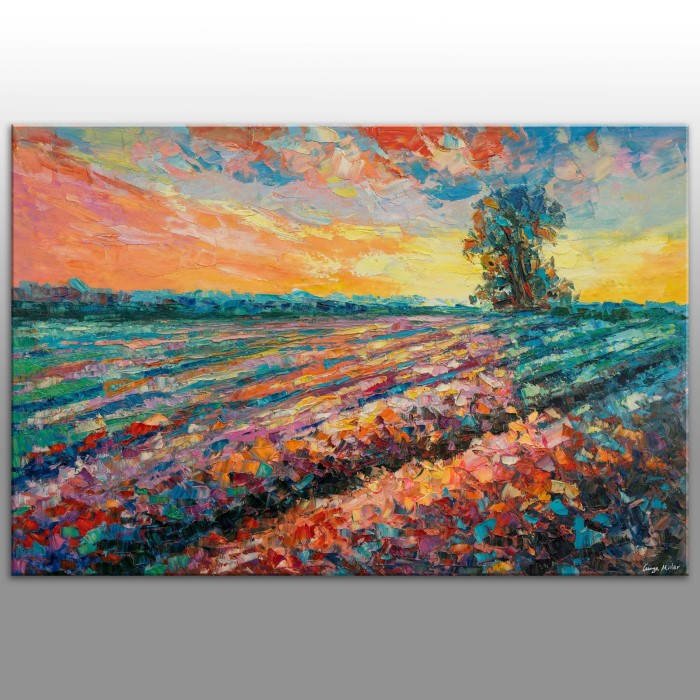
Technique Overview: Dabbing and stabbing techniques are about applying paint with a series of direct, quick movements. This method can create vibrant textures that are visually striking.
- Application: Load your palette knife with paint and quickly dab it onto the canvas. Use different colors to achieve a more dynamic result. You can also stab the paint to introduce variability in texture.
- Tips: Try using multiple colors on your knife to create blended textures. Avoid overmixing to preserve vibrancy.
3. Blending Colors
Technique Overview: While blending colors might typically be associated with brushes, a palette knife can effectively achieve smooth color transitions.
- Application: Start with one color and then introduce the next color in a side-by-side application. Use the flat edge of the knife to blend the two colors together on the canvas subtly.
- Tips: Work quickly before the paint dries. This technique will lead to a seamless gradient effect that enhances your painting.
4. Building Layers
Technique Overview: Layering colors is vital to achieve depth in palette knife painting. This technique involves applying different colors one after the other.
- Application: Start with a base color and allow it to dry before applying subsequent layers. With each new layer, use the knife to manipulate the paint for various effects.
- Tips: Ensure that each layer dries adequately before adding the next to prevent muddiness.
Tips for Successful Palette Knife Painting
Choose the Right Paint
- Pay Attention to Viscosity: The viscosity of paint is crucial for palette knife techniques. Thicker paints provide the right consistency and handling for application with a knife.
- Opt for Heavy-Body Acrylics: Heavy-body acrylics have a thick consistency that holds texture well. They allow for bold applications and are ideal for creating impasto effects.
- Use Oil Paints: Oil paints are another excellent option. They offer a smooth, buttery texture that can enhance the overall appearance of the artwork and maintain bold strokes.
- Avoid Thin Paints: Lean toward thicker paints, as thin or runny paints may not adhere well when applied with a palette knife. They will often lose texture and create a less desirable effect.
- Experiment with Different Brands: Different brands of paint can vary in viscosity. Try a few options to discover which works best with your technique and preferences.
Use a Variety of Knives
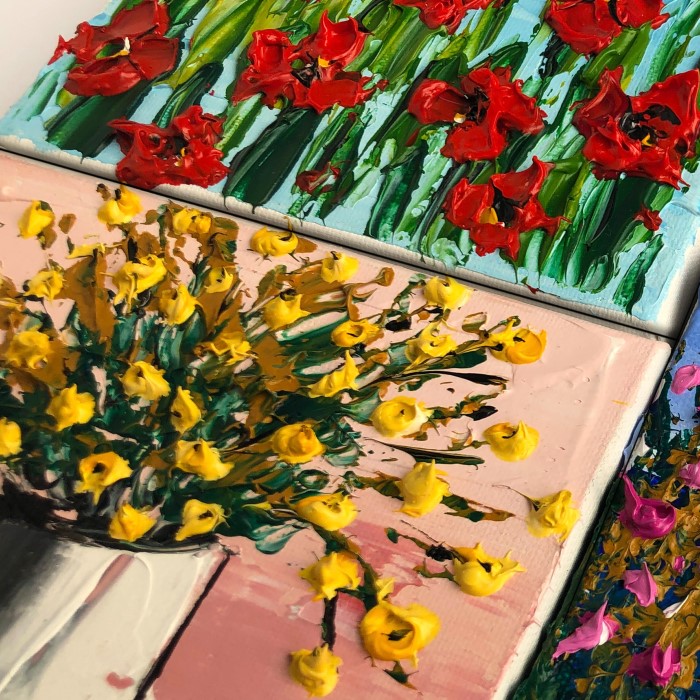
- Acquire Different Shapes: Palette knives come in various shapes, including straight, curved, and angled blades. Each shape allows for different painting effects and techniques.
- Consider Size Variations: Different sizes of palette knives will help you tackle both large areas and intricate details. A larger knife is great for broad strokes, while a smaller knife is better for fine details.
- Invest in Quality Tools: High-quality palette knives are essential for effective use. Look for durable materials such as stainless steel that maintains flexibility and withstands wear.
- Experiment with Blade Flexibility: Different knives offer varying levels of flexibility. A more flexible blade can create softer textures, while a stiffer blade achieves more controlled applications.
- Explore Specialty Knives: Some palette knives are specially designed for specific techniques. Consider adding these unique tools to your collection as you learn more about the palette knife painting process.
Experiment with Surfaces
- Try Various Canvas Types: Start with traditional canvas and then explore cotton duck, linen, and even primed board. Each type of canvas will present a unique texture for your paint.
- Use Different Materials: In addition to canvas, try painting on wood panels, which can absorb paint differently and create distinct results. Each surface will impact the drying time and texture.
- Explore Paper Options: Specialty papers, such as watercolor paper or mixed-media sheets, can also be ideal for palette knife painting. Experiment with various weights and textures to see what you prefer.
- Assess Your Results: After trying different surfaces, evaluate the final outcomes. Notice how texture, color vibrancy, and blending differ based on the surface you choose.
- Find Your Preferred Medium: Through experimentation, you may discover a particular surface that enhances your artistic style. Keep notes on which surfaces work best for your unique palette knife techniques.
Start Simple
- Begin with Basic Shapes: If you’re new to palette knife painting, focus on creating simple shapes such as circles, squares, and straight lines to get accustomed to how the knife applies paint.
- Progress Gradually: As you become more comfortable using the knife, start integrating more complex designs. Gradually add elements like landscapes, abstracts, or textured details to your work.
- Focus on Practice Pieces: Create practice pieces rather than stress about producing a perfect finished product. Use these works to explore new techniques without pressure.
- Experiment Freely: Allow yourself to explore variations on simple designs. This exploration will lead to discoveries that enhance your skills and inspire new ideas.
- Celebrate Small Wins: Acknowledge improvements and newfound skills as you master simple designs. Every step forward builds confidence and helps you grow as an artist.
Practice Regularly
- Set a Schedule: Dedicate specific times each week to practice palette knife painting. Consistency is key to mastery, so try to make it a routine part of your artistic process.
- Try New Techniques: Regular practice should include experimenting with different techniques. Challenge yourself to incorporate new ideas with each session.
- Reflect on Progress: After each session, take some time to review what you’ve accomplished. Identify areas of improvement and set new goals for future practice.
- Document Your Journey: Keep a journal or a portfolio of your palette knife paintings. This documentation helps track your growth and highlights your artistic evolution over time.
- Stay Inspired: Seek inspiration from other artists and resources. Whether it’s online tutorials or gallery visits, staying inspired fuels your desire to practice and grow in your craft.
Common Challenges and Solutions
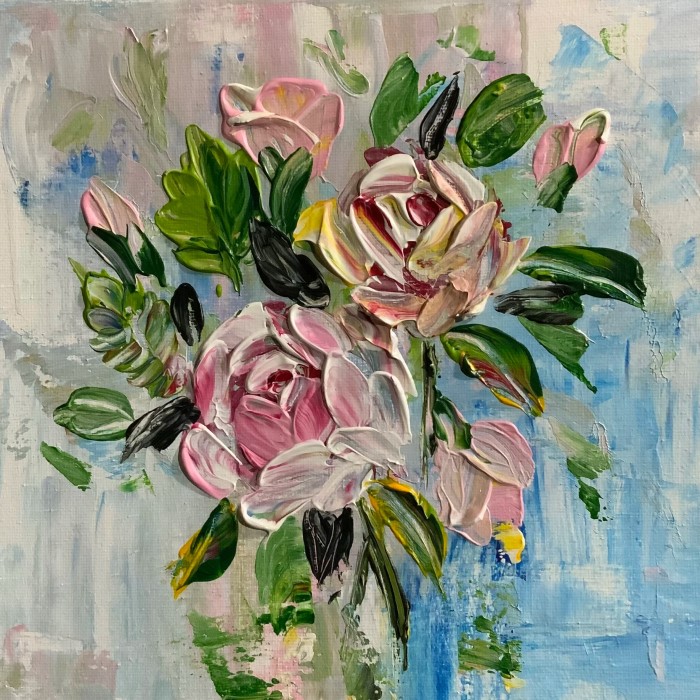
- Difficulty with Textures: If you find it challenging to achieve the desired texture, adjust the amount of paint on your knife. Using too little paint can result in less pronounced effects.
- Muddied Colors: To prevent colors from becoming muddy, keep your palette knife clean between color applications. This practice maintains the integrity of your color palette.
- Lack of Confidence: Many artists feel hesitant to embrace a new technique. Remember that experimentation is part of the artistic process. Allow yourself room to make mistakes and learn from them.
Frequently Asked Questions
What is the palette knife painting technique?
The palette knife painting technique involves using a palette knife instead of brushes to apply or manipulate paint. This technique allows for the creation of unique textures and effects that are difficult to achieve with traditional brushes.
Is palette knife painting difficult?
Palette knife painting can be challenging for beginners due to the unique handling and techniques required. However, with practice and experimentation, most artists can master this technique and develop their own styles.
What kind of paint do you use with a palette knife?
Thick paint, such as heavy-body acrylics or oil paint, is ideal for palette knife painting. These types of paint maintain their thickness and enable the artist to create textures without losing shape.
Did Van Gogh paint with a palette knife?
Yes, Vincent Van Gogh is well-known for using palette knives in his paintings. His signature impasto technique often involved thick applications of paint applied with a palette knife, contributing to the texture and vibrancy seen in his works.
Conclusion
In conclusion, mastering palette knife painting techniques opens the door to endless creativity and expression. This powerful tool enables artists to achieve unique textures and vibrant colors with ease. By practicing various methods like lifting, dabbing, blending, and layering, you can develop a distinctive painting style that resonates with your artistic vision.
Whether you’re an experienced artist or a beginner, embracing palette knife painting can enhance your art and enrich your skills. As you experiment and explore this technique, you may discover new avenues of creativity that inspire your future works. Start integrating palette knife painting into your artistic journey today, and watch your creations transform into stunning pieces of art. The vibrant textures and dynamic effects made possible by this technique will surely elevate your artistic practice and captivate your audience.