Introduction: The Importance of Holding a Pen Correctly
For many, writing is an everyday task. However, not everyone knows how to hold a pen correctly. The way you grip your pen can significantly impact your handwriting quality. It affects your comfort, writing speed, and even the overall appearance of your notes. In this article, we’ll explore how to hold a pen effectively and provide essential tips for better handwriting. By mastering this skill, you can enhance your writing experience and produce clearer, more aesthetically pleasing notes.
Why Proper Pen Holding Matters
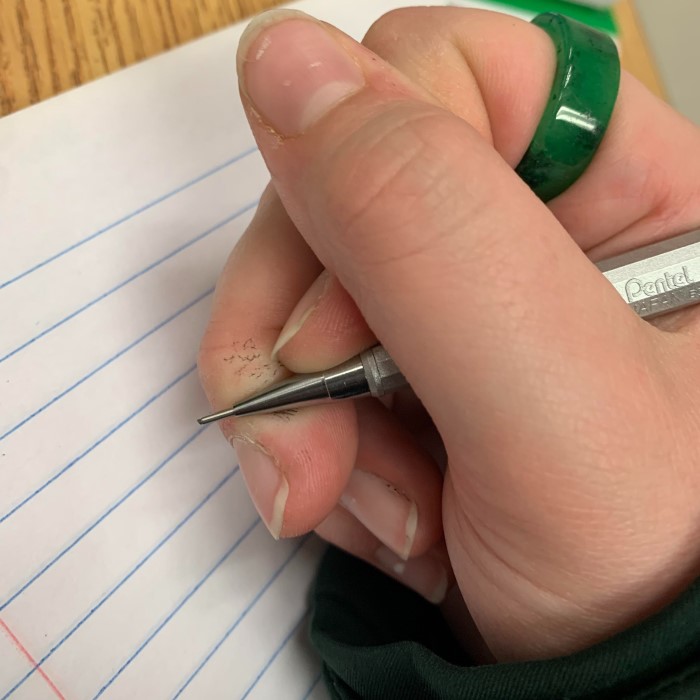
Proper pen holding is essential for writing comfortably and efficiently. When you grip a pen correctly, it reduces strain on your fingers and hand. This prevents muscle fatigue and long-term issues, like repetitive strain injuries.
Writing with the right grip also improves your control over the pen. It allows for smoother and more precise writing movements. This, in turn, can lead to improved handwriting and better penmanship overall.
A proper pen grip also increases writing speed. When your hand moves freely and without strain, you can write faster and with ease.
Incorrect pen holding can lead to cramping and poor handwriting. It can also cause your hand to feel tired quickly. Over time, the wrong grip may lead to discomfort and even long-term issues.
Teaching children the right way to hold a pen is vital for their development. Early habits, if incorrect, are hard to change later and can limit their writing potential.
Mastering the art of holding a pen takes practice but has long-term benefits. It ensures comfort, faster speed, and neater writing, all while preventing physical strain. Adopting the correct grip today can safeguard your hand health for years to come.
Anatomy of a Pen and Its Grip Zones
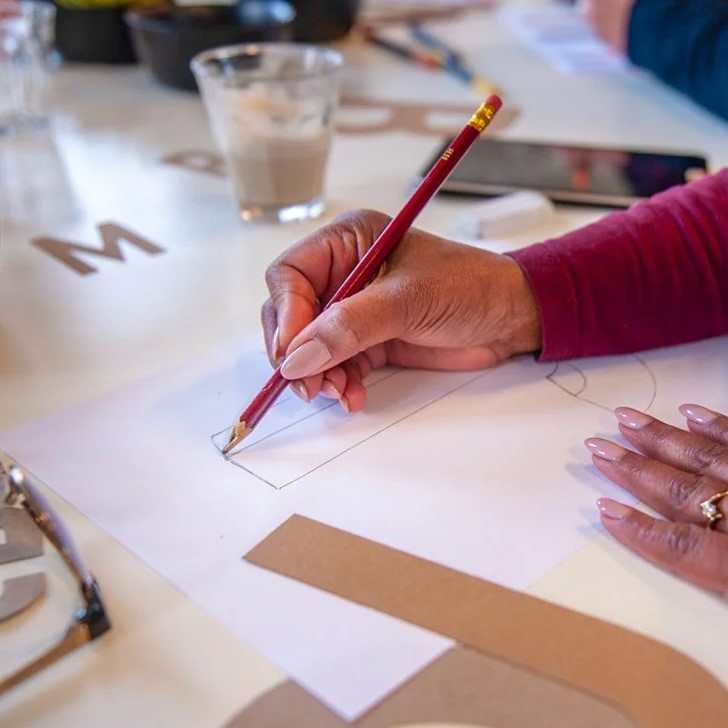
Understanding the anatomy of a pen helps in achieving the correct grip. A pen typically consists of three main sections: the nib, the barrel, and the grip zone. Each of these parts plays a role in ensuring comfort and control during writing.
The Nib
The nib, or tip, is where the ink flows onto the paper. The type of nib influences writing style. Ballpoint pens, fountain pens, and gel pens all have different nib designs. Choosing the right nib for your writing style is crucial.
The Barrel
The barrel forms the main body of the pen. It provides structure and can influence comfort. The barrel’s size and weight affect how the pen feels in your hand. A heavier barrel may cause fatigue when used for long periods.
The Grip Zone
The grip zone is the section where your fingers hold the pen. It is often made of rubber or textured materials for better hold. A well-designed grip zone reduces strain and provides stability. This area is crucial for maintaining a proper pen grip.
Knowing these pen components is essential for understanding how to hold a pen. It helps in choosing a pen that suits your hand and writing habits. With a good understanding of a pen’s anatomy, you can focus on improving your grip and writing comfortably.
Commonly Used Pen Holding Techniques
Understanding popular pen holding techniques is essential for improving your writing comfort and skill. Here are some commonly used pen grips that cater to different needs and preferences:
1. Tripod Grip
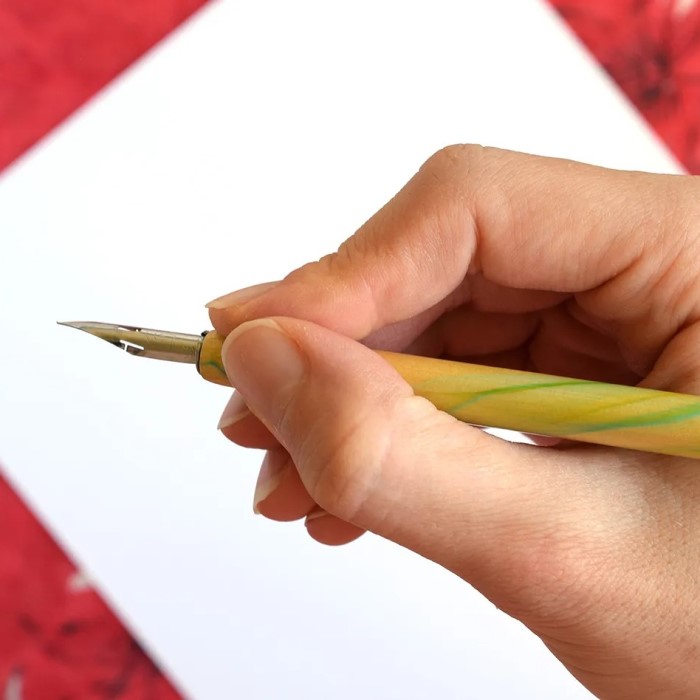
The tripod grip is the most recommended and widely used grip:
- Place the pen between your thumb and index finger.
- The middle finger supports the pen from below.
- This grip ensures maximum control and comfort while writing.
2. Quadropod Grip
The quadropod grip is a variation of the tripod grip:
- Hold the pen between your thumb and index finger.
- Let both the middle and ring fingers support the pen.
- This grip is effective for people who find the tripod grip uncomfortable.
3. Overhand Grip
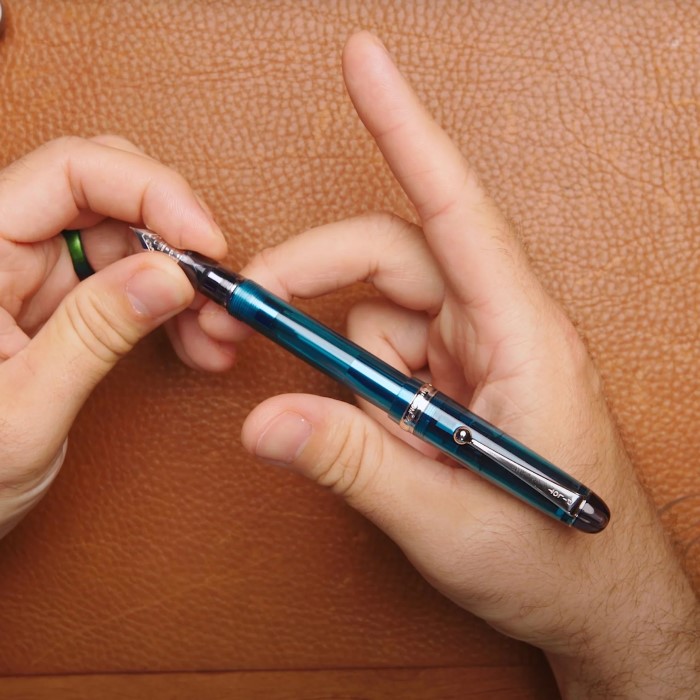
The overhand grip is less common but can be effective for certain individuals:
- Rest the pen in the crook of your thumb.
- Use your index and middle fingers to guide the pen.
- This grip is often used for bold and sweeping strokes.
4. Underhand Grip
The underhand grip is helpful for left-handed writers:
- Place the pen under your writing hand.
- Angle the paper to avoid smudging.
- It provides better visibility and smoother strokes.
5. Lateral Quadrupod Grip
The lateral quadrupod grip is another alternative grip:
- Rest the pen against your index finger.
- Wrap your thumb and middle finger around the barrel.
- Useful for those with different hand proportions or needs.
Advantages of Finding Your Grip
- Improves control and handwriting precision.
- Reduces hand strain and prevents cramping.
- Ensures a stable and consistent writing experience.
Discovering which grip works best for you may take time. Experiment with these techniques to identify the one that feels most comfortable. Find the grip that suits your style and improves your writing ability.
Step-by-Step Guide to Holding a Pen Correctly
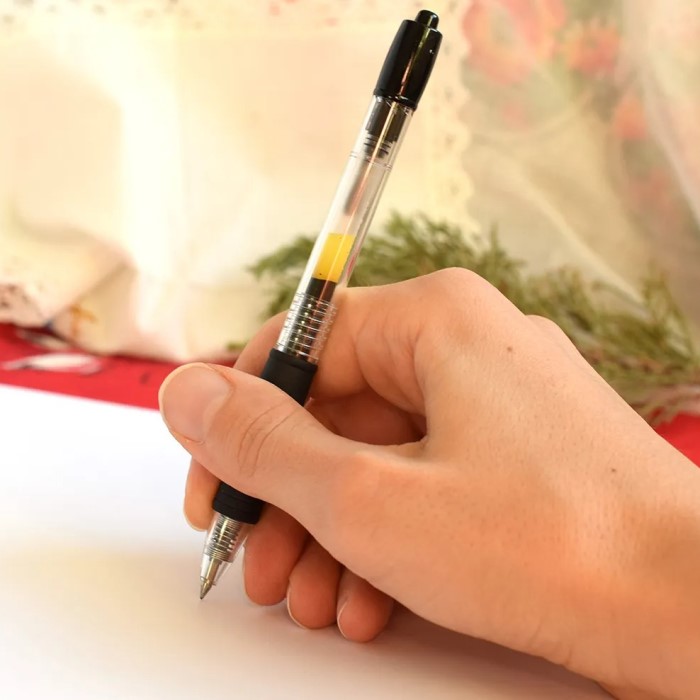
Holding a pen properly can transform your writing experience. Follow these easy steps to achieve the correct grip:
- Position Your Fingers CorrectlyPlace the pen between your thumb and index finger. Let your middle finger support the pen underneath.
- Find the Right Grip ZoneHold the pen gently where the grip zone is. Ensure it’s comfortable and non-slip.
- Relax Your HandDo not grip the pen too tightly. Keep your hand relaxed to avoid strain.
- Check the Pen AngleMaintain a 45-degree angle between the pen and paper for smooth strokes.
- Adjust the Pen’s PositionEnsure the tip of the pen is in proper contact with the paper for clean writing.
- Practice Writing SlowlyBegin with slow movements to build muscle memory. Focus on comfort and control.
This step-by-step process teaches how to hold a pen correctly. Practice regularly to improve your grip and avoid strain. Over time, your handwriting and comfort will noticeably improve.
Avoiding Common Mistakes in Pen Holding
Mistakes in pen holding can lead to discomfort and affect your writing quality. Avoiding these errors is essential for maintaining a smooth and comfortable writing experience.
1. Gripping the Pen Too Tightly
A firm grip might seem helpful, but it causes hand strain. Instead, hold the pen lightly to reduce pressure and ensure ease during writing.
2. Incorrect Placement of Fingers
Placing fingers too far from the grip zone can reduce your control. Always position your thumb, index finger, and middle finger near the grip zone for better stability.
3. Using the Wrong Pen Angle
A steep angle leads to uneven ink flow and messy strokes. Hold the pen at a 45-degree angle to ensure smooth writing and consistent ink output.
4. Holding the Pen Too Far or Too Close to the Tip
Holding the pen too far back or too close to the nib can make writing difficult. Use the designed grip area to optimize control.
5. Overlooking Hand Relaxation
Tensing your hand while writing quickly leads to fatigue and cramping. Keep your hand relaxed and flexible during use.
How to Correct These Mistakes
- Regularly check your grip and finger placement while writing.
- Experiment with pen angles for smoother strokes.
- Practice relaxation techniques for your hand and fingers.
- Choose ergonomic pens with well-designed grip zones to support comfort.
By avoiding these common mistakes, you improve your writing speed and comfort. Correcting these errors early enhances your long-term handwriting and overall experience.
Exercises to Improve Pen Grip and Dexterity
Improving your pen grip and finger dexterity takes practice. Strengthening your hand enhances comfort and control. Here are some effective exercises to help:
1. Finger Squeezes
- Grip a soft ball or stress ball softly with your fingers.
- Squeeze gently and release repeatedly to strengthen your grip.
- Perform this exercise for 1–2 minutes daily.
2. Pencil Spinning
- Hold a pencil between your thumb and index finger.
- Spin it slowly, using only your fingers.
- This improves coordination and finger flexibility.
3. Finger Walking
- Place your pen on a flat surface.
- “Walk” your fingers along the pen by sliding the grip up and down.
- This enhances finger movement precision.
4. Hand Stretches
- Stretch your fingers wide, then close them into a loose fist.
- Repeat 10–15 times to improve hand relaxation and flexibility.
5. Pinching Practice
- Pinch small items like beads or paper clips.
- Use your thumb and index finger for precision.
- This exercise strengthens your pinch grip used for writing.
6. Clay Molding or Dough Work
- Use modeling clay to create shapes.
- Working with clay improves strength and dexterity.
7. Scribble Patterns
- Randomly scribble loops, lines, and shapes on paper.
- Use slow, controlled movements to build grip confidence.
8. Write Daily
- Practice writing a few sentences every day.
- Focus on maintaining a proper grip and smooth movements.
Tips for Better Practice
- Perform exercises consistently for noticeable improvement.
- Avoid overdoing it to prevent strain or fatigue.
- Incorporate breaks while writing to relax your hand.
- Use ergonomic tools, like stress balls or padded pens, during practice.
These exercises promote better pen holding and increased hand strength. With regular practice, you’ll write with improved comfort and precision.
Choosing the Right Pen for Comfort and Control
Selecting the right pen is crucial for a comfortable and controlled writing experience. A well-chosen pen aligns with your hand, grip, and writing habits, making it easier to maintain a proper hold. Here are the key factors to consider when choosing the best pen for you:
1. Grip Comfort
- Ergonomic Grip: Look for pens with a rubberized or textured grip zone for stability. This prevents slipping and strain.
- Size and Shape: Choose a pen that fits your hand and grip style. A pen that’s too large or too small can cause discomfort.
2. Pen Weight
- Lightweight Pens: These reduce fatigue during extended writing sessions. They suit those with delicate hands.
- Heavier Pens: Heavier options may provide more control for certain writing tasks, but avoid overuse.
3. Type of Ink
- Gel Pens: Offer smooth ink flow, ideal for precise and neat writing. These are great for daily use.
- Ballpoint Pens: Reliable for various surfaces and long-lasting but may require more pressure.
- Fountain Pens: Preferred for calligraphy or elegant writing; they produce fluid and expressive strokes.
4. Nib Size and Style
- Fine Nibs: Best for detailed and small lettering. Ideal for precise handwriting.
- Medium or Broad Nibs: Perfect for larger or more expressive writing styles.
- Specialty Nibs: Choose italic or flex nibs for decorative strokes.
5. Material Durability
- Metallic Pens: Durable and robust, great for long-term use.
- Plastic Pens: Lightweight and cheaper, suitable for casual writing needs.
6. Additional Features
- Refillable Pens: These are eco-friendly and cost-effective over time.
- Clip Design: Ensure the clip is strong and practical if you carry the pen daily.
Testing Before Buying
- Visit a store to test pens before buying if possible. This helps you feel its weight, grip, and style.
- Write a few sentences with the pen to check the ink flow and comfort.
Choose a pen that fits your hand well and meets your writing requirements. The right pen can improve your technique, reduce strain, and enhance your overall writing experience. Investing in a good pen is an essential step in mastering how to hold a pen correctly and ultimately improving your handwriting.
Tips for Refining Your Penmanship Through Better Grip
Enhancing your penmanship starts with improving your grip. A proper pen grip ensures control and precision. Follow these tips to refine your handwriting through a better grip:
- Review Your Current Grip
- Observe how you hold the pen while writing.
- Identify if the grip feels strained or uncomfortable.
- Adopt the Correct Finger Placement
- Place the pen between the thumb and index finger.
- Use the middle finger for support underneath.
- Relax Your Hand and Fingers
- Avoid gripping the pen tightly to prevent strain.
- Keep your fingers loose for smoother movements.
- Use the Proper Writing Angle
- Maintain a 45-degree angle between the pen and paper.
- This angle ensures even ink flow and better strokes.
- Adjust Your Writing Pressure
- Apply gentle, consistent pressure while writing.
- Do not press too hard, as it may lead to fatigue.
- Choose the Right Pen
- Use a pen with a comfortable grip zone and smooth ink flow.
- Experiment with different pens to find the best match.
- Practice Letter Formation
- Focus on forming clear and consistent letters.
- Practice straight lines, curves, and intricate shapes regularly.
- Write at a Comfortable Pace
- Avoid rushing to maintain neatness.
- Writing slowly helps build muscle memory and control.
- Incorporate Writing Exercises
- Make loops, circles, and patterns to boost your grip precision.
- Daily practice improves dexterity and handwriting.
- Evaluate Your Progress
- Compare your handwriting over time.
- Make adjustments to your grip as needed.
Improved penmanship requires consistent practice and the right techniques. By refining your grip, you can write more comfortably and neatly. Take time to develop these skills for lasting benefits.
Conclusion: Mastering Your Grip for Lifelong Benefits
In summary, mastering how to hold a pen can revolutionize your writing experience. By understanding the correct grip and avoiding common mistakes, you’ll improve your handwriting significantly. Experimenting with different techniques and practicing consistently will help you find what works for you. Remember, good handwriting is not just about the way your letters look—it’s a skill developed through attention to detail and deliberate practice. So pick up that pen today, apply what you’ve learned, and enjoy the journey toward better handwriting!