Introduction: The Popularity of Polymer Clay and Safety Concerns
In recent years, polymer clay has gained immense popularity among artists, crafters, and DIY enthusiasts. Its versatility makes it an ideal medium for creating a variety of projects, such as jewelry, figurines, and decorative items. However, one frequently asked question arises: is polymer clay toxic? As more people engage in crafting, it’s essential to understand the potential health risks and safe practices during use.
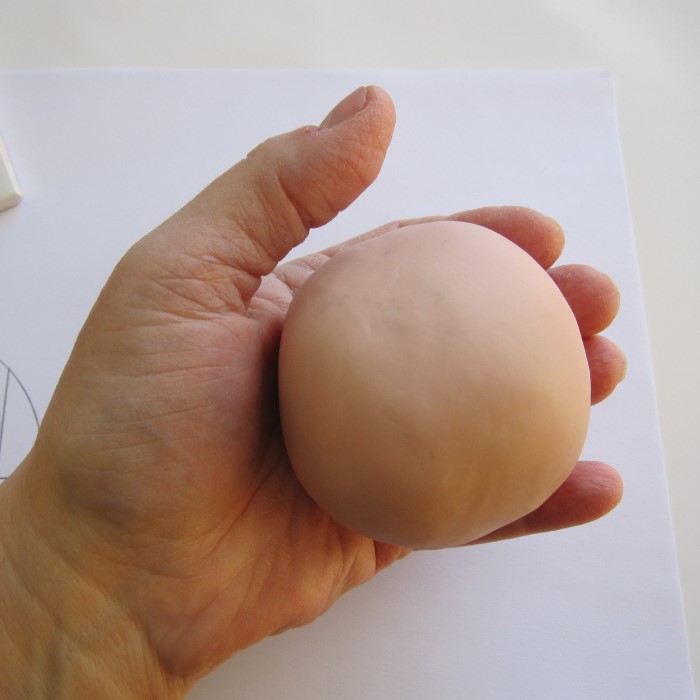
This article aims to clarify the safety aspects of polymer clay, outline the risks associated with its use, and provide effective strategies for handling it properly. By the end, you’ll be equipped with both knowledge and confidence to create beautiful items while ensuring your wellbeing.
What Is Polymer Clay?
Before we dive deeper into safety concerns, let’s examine what polymer clay is and how it is typically used.
- Definition and Composition:
Polymer clay is a type of modeling clay that consists mainly of polyvinyl chloride (PVC) along with various additives and pigments meant to enhance its properties. It remains pliable until baked in an oven, at which point it hardens and becomes durable. - Common Uses:
Artists favor polymer clay for its broad range of applications, including making beads, sculptures, home decor items, and custom creations. Its lightweight nature makes it suitable for wearable items such as earrings and necklaces. - Variety of Brands:
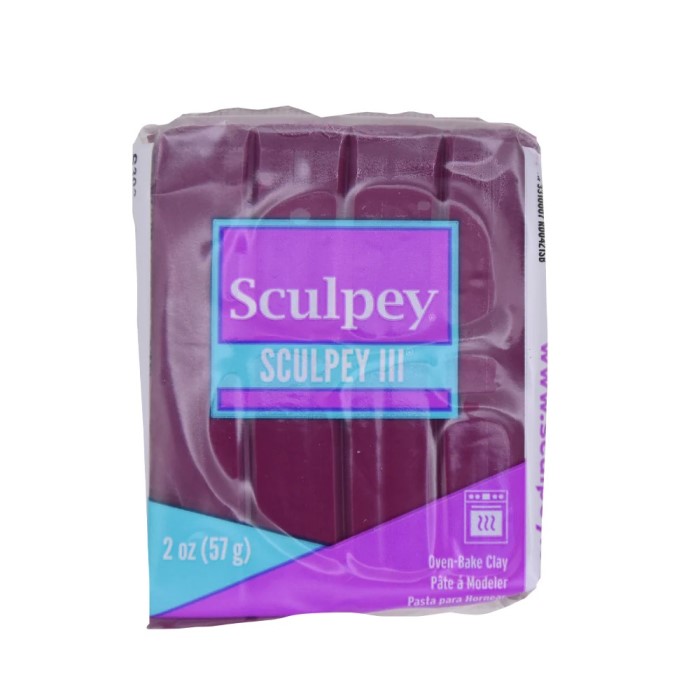
There are many brands of polymer clay on the market, including:- Sculpey: Renowned for its ease of use and variety of colors.
- Fimo: Offers a range of products with different textures.
- Premo: Known for durability and flexibility, great for intricate designs.
Understanding the nature of polymer clay will help you navigate its usage effectively.
Understanding the Toxicity of Polymer Clay
Chemical Safety
- Primary Component: The main ingredient in polymer clay is polyvinyl chloride (PVC), which is not inherently toxic. However, safe handling practices are crucial to ensure health and safety.
- Risk Awareness: Users must be aware of the possible dangers associated with polymer clay, particularly during the baking process, where certain conditions can lead to harmful effects.
Potential Risks During Baking
- Fume Release: One of the significant concerns related to polymer clay is that it can emit fumes when heated beyond the recommended temperatures.
- Irritants: These fumes can irritate the respiratory system, especially for individuals who may be more sensitive to chemical exposure. Therefore, it is important to adhere strictly to the temperature and time guidelines provided by the manufacturer.
- Preventative Measures: To mitigate risks, always preheat the oven to the exact temperature indicated on the packaging and monitor the clay closely during the baking process.
Health Effects
- Symptoms of Inhalation: Inhaling fumes generated from polymer clay during baking can result in various health symptoms, including headaches, dizziness, and respiratory irritation.
- Importance of Ventilation: To ensure safety, it is essential for users to work in areas with good ventilation. This helps reduce the concentration of any potentially harmful fumes and minimizes exposure.
Safety with Raw Clay
- Non-toxic Nature: Raw polymer clay is typically regarded as non-toxic, making it safe for crafting. However, there are stipulations regarding its use.
- Avoiding Ingestion: It is crucial to avoid ingesting any portion of the raw polymer clay or allowing it to contact food items. While it might not be acutely toxic, some materials used in polymer clay could still pose health risks if consumed.
-
Best Practices: Users should take precautions by using separate tools for crafting with polymer clay and food preparation to prevent any potential contamination.
Common Myths Surrounding Polymer Clay Safety
All Air-Dry Clay is Safer than Polymer Clay
- Common Misconception: Many individuals assume that all air-dry clays are completely safe due to their lack of need for baking.
- Reality Check: While it is true that many air-dry clays do not emit harmful fumes during use, they are not without risks.
- Potential Hazards: Some air-dry clays can contain non-toxic but still unsafe materials, which may pose health risks if ingested or if there prolonged skin contact.
- Recommendation: It’s essential to read labels and understand the composition of different air-dry clays to ensure safe usage.
Polymer Clay is Highly Toxic
- Misunderstanding of Toxicity: Polymer clay viewed as dangerously toxic due to misconceptions about its chemical components.
- Safety in Proper Use: Under normal crafting conditions, polymer clay consider safe. It does not release harmful fumes unless it is overheated.
- Guidelines for Safety: Following the manufacturer’s instructions regarding baking temperatures and times can mitigate any potential health risks.
- Educational Approach: Increased awareness and education about polymer clay usage can help dispel the fear surrounding its toxicity.
Natural Clays are Always Better
- Assumption of Safety: There is a prevailing belief that natural clays are superior and safer simply because they derived from natural materials.
- Inherent Risks: While it is true that natural clays do not include synthetic substances, they can still pose health risks.
- Example of Silica Dust: Certain natural clays may contain silica, which can be harmful if inhaled over time, leading to respiratory issues.
- Informed Choices: Consumers should be aware that ‘natural’ does not automatically mean ‘safe,’ and precautions should still be taken when working with these materials.
Safe Practices When Working with Polymer Clay
Is polymer clay toxic? Adopting safe practices when using polymer clay can reduce health risks significantly:
Ventilation
- Importance of Ventilation: Always ensure that you are working in a well-ventilated area to maintain air quality and reduce the risk of inhaling any potentially harmful fumes released during the baking process.
- Methods to Improve Airflow: Open windows to allow fresh air to circulate or use fans strategically placed to create a cross-breeze, ensuring any fumes dissipate quickly.
Following Manufacturer Instructions
- Specific Guidelines: Each brand of polymer clay has its unique specifications for baking temperatures and times, which are often provided in the packaging or on the manufacturer’s website.
- Avoiding Overheating: By carefully following these guidelines, you can prevent overheating the clay, which not only affects the quality of your finished product but also minimizes the risk of releasing harmful substances.
Using Protective Gear
- Wearing Gloves: Although polymer clay is generally safe to handle, wearing gloves is advisable, especially if you have sensitive skin, to prevent irritation from prolonged contact.
- Using Masks: Consider wearing a mask to avoid inhaling any dust or particles that may arise during the working process, providing an extra layer of protection for your health.
Cleaning Up Properly
- Thorough Workspace Cleanup: It’s essential to clean your workspace meticulously after working with polymer clay to remove any remnants or residual materials.
- Proper Disposal of Leftovers: Use wet cloths to wipe down surfaces effectively and ensure that any leftover clay dispose of responsibly, minimizing mess and potential contamination.
Avoiding Food Contact
- Separation from Food Items: Always maintain a strict separation between polymer clay items and food items to prevent any risk of contamination.
- Use of Sealants: When finishing your projects with glazes and sealants, ensure they labeled as food-safe if there is any chance the item will come into contact with food surfaces.
Frequently Asked Questions
To address common concerns regarding polymer clay, here are some frequently asked questions:
Is polymer clay toxic to bake?
Is polymer clay toxic? While polymer clay is not toxic when baked according to guidelines, overheating it can release harmful fumes. Ensure you follow product instructions closely for safe usage.

Is it safe to cook food after baking polymer clay?
No, polymer clay should not be used in any food-related application. It is not considered food-safe, even when fully hardened.
Is polymer clay bad for the lungs?
Inhaling fumes from overheating polymer clay can irritate the respiratory system. Always ensure good ventilation while working with it.
Do you need to wear gloves when working with polymer clay?
Wearing gloves is not mandatory, but it is a good practice if you have sensitive skin or allergies. It can help avoid any irritation from prolonged contact with the material.
Conclusion: Embracing Polymer Clay with Confidence
In summary, understanding is polymer clay toxic is vital for any crafter or artist. While the materials used in polymer clay do include potential risks, knowing how to handle it properly can make all the difference. Following safe practices, using adequate ventilation, and adhering to manufacturer instructions can significantly mitigate risks.
With this comprehensive guide, you now have the information needed to safely enjoy the versatile world of polymer clay. Don’t let safety concerns deter you from exploring your creativity. Embrace crafting with polymer clay confidently and create beautiful, lasting works of art! Happy crafting!